Advocacy Groups Want BLM to Increase PZP Use in Wild Horses
The groups believe increased PZP use could reduce the need to maintain horses in holding facilities.

The groups believe increased PZP use could reduce the need to maintain horses in holding facilities.
Inflammatory airway disease and recurrent airway obstruction fall under the “equine asthma syndrome” umbrella.
These annual scholarships are awarded to AAEP-member veterinarians who are beginning careers in equine research.

Seven horses at one Cooke County breeding farm tested positive for the neuropathogenic form of the virus in late May.
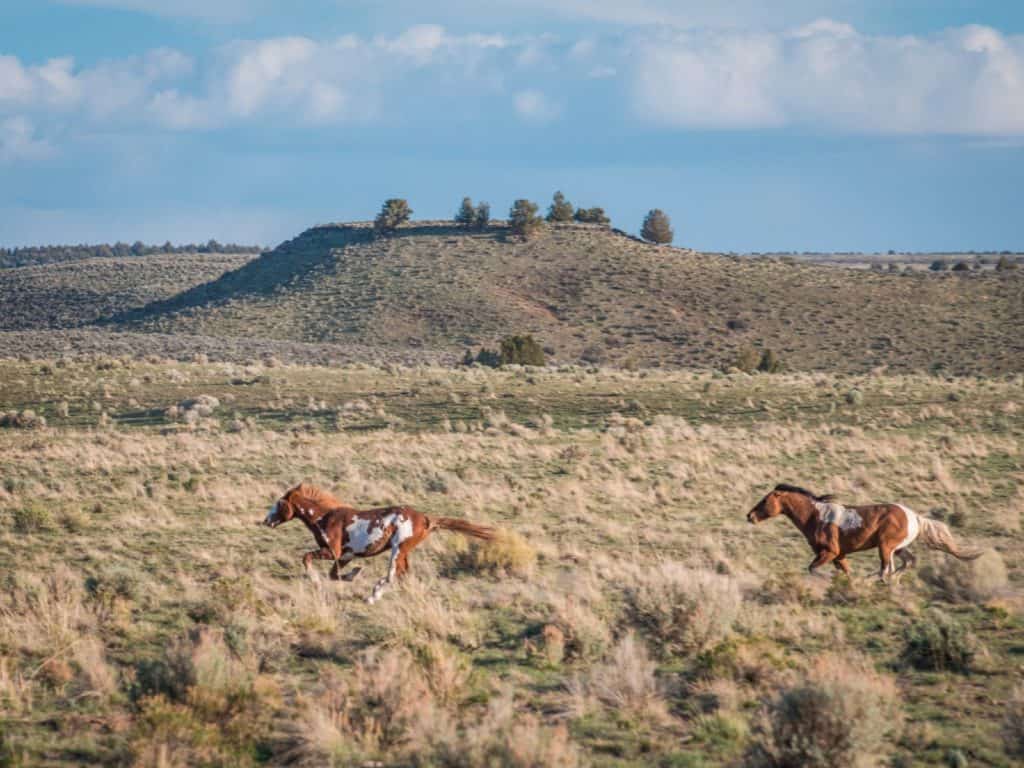
Specialists will share how the Wild Horse and Burro Program works and showcase adoptable animals in demonstrations.

Officials are encouraging vaccination, which has proven to be an effective disease prevention tool.
The award recognizes individuals or groups working to provide a better life for Thoroughbreds or those caring for them.

Horses appear to select forages based on smell and taste rather than energy intake, researchers found.

State officials say now’s the time to vaccinate horses against rabies, Eastern equine encephalitis, and West Nile virus.
The event for county and state officials will take place Aug. 1-3 at Morehead State University.

Identifying and fixing neck and back pain can be, well, a pain in the neck. Here’s how vets work through the issues.
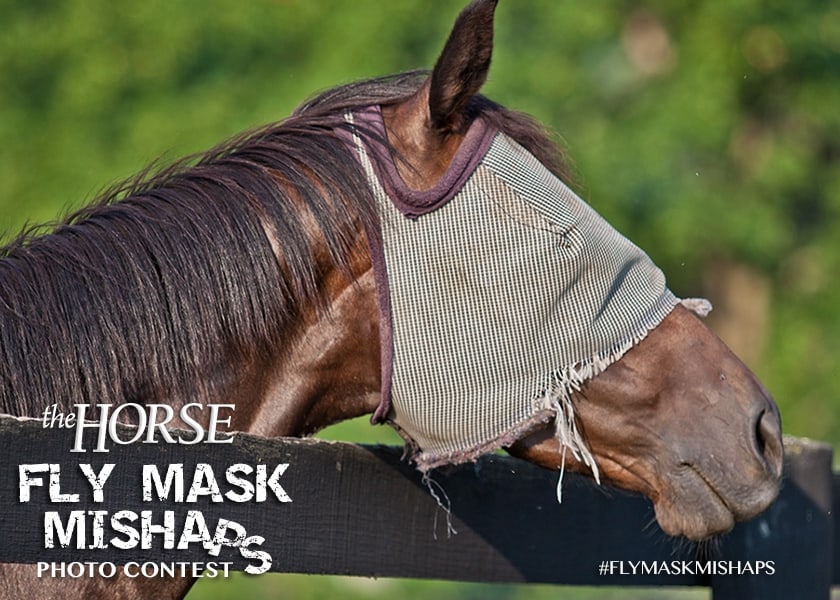
Submit your fly mask mishap story for a chance to be featured on TheHorse.com and be entered to win a prize pack!
A half-dozen horses were rescued from rising flood waters from the Brazos River.

The top two finishers at an event in Doha earlier this year have tested positive for human erythropoietin (EPO).
Glaucine, thought to have bronchodilatory and anti-inflammatory properties, is found in the tulip poplar tree.
Hector Manuel Febus Ojeda is facing charges connected to the maltreatment of one of his horses.