NIFA Accepting Submissions for 2016 Research Grants
The National Institute of Food and Agriculture has funded nearly 300 equine projects through the 2015-16 fiscal year.

The National Institute of Food and Agriculture has funded nearly 300 equine projects through the 2015-16 fiscal year.

Of the 362 respondents, 137 (38%) said they own or keep other types of livestock in addition to horses.

Improving working equids’ health and welfare could help them work longer and better to the benefit of their owners.
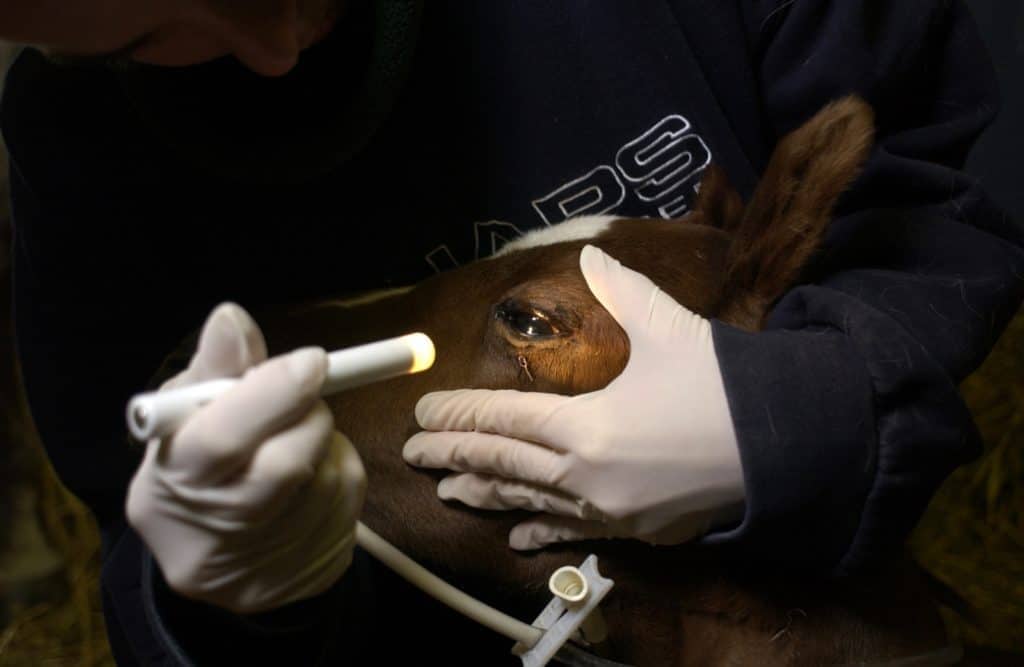
A number of congenital or developmental problems can impair a foal’s vision. Here’s what to watch for.
Arizona’s first equine rabies case in seven years highlighted the need for education about the disease.

Find out how feeding recommendations and diets for performance horses have changed over the years.
The Thoroughbred Aftercare Alliance and Thoroughbred Retirement Foundation work to improve racehorse aftercare.

Elzinga hopes to gain a better understanding of mechanisms that could predispose a horse to developing laminitis.
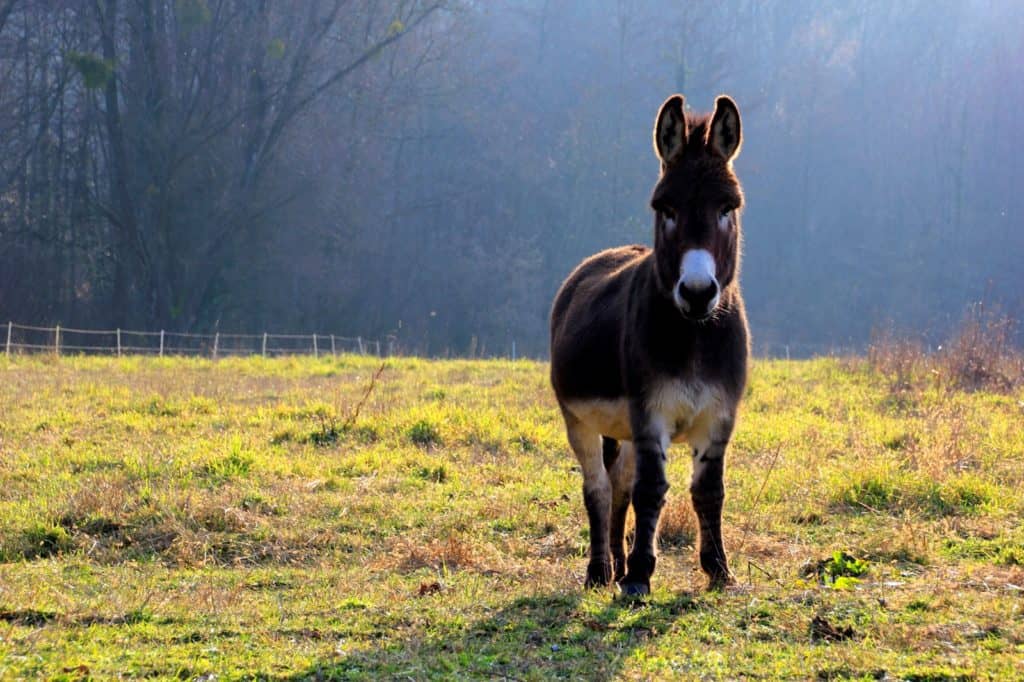
Researchers found that test results should be interpreted differently for donkeys than they are for horses.

“Master Equine Educator” Teddy, a 19-year-old Thoroughbred, helped vet students learn about equine health.

The Bluegrass Equine Digest and other publications and campaigns garnered top awards.

Some types of fescue infected with common endophyte strains could become more toxic when temperatures increase.
The Winner’s Circle Scholarship Program has provided $1,102,500 in scholarships since its inception in 2008.

Researchers in the club’s Racing Laboratory are studying biomarkers for use in drug testing.

Kristen Halverson chose to donate after Dan Howe, PhD, offered advice and answered her questions about EPM.

From feeding to vaccines and colic to lameness, here are some basic resources to get the new horse owner started.