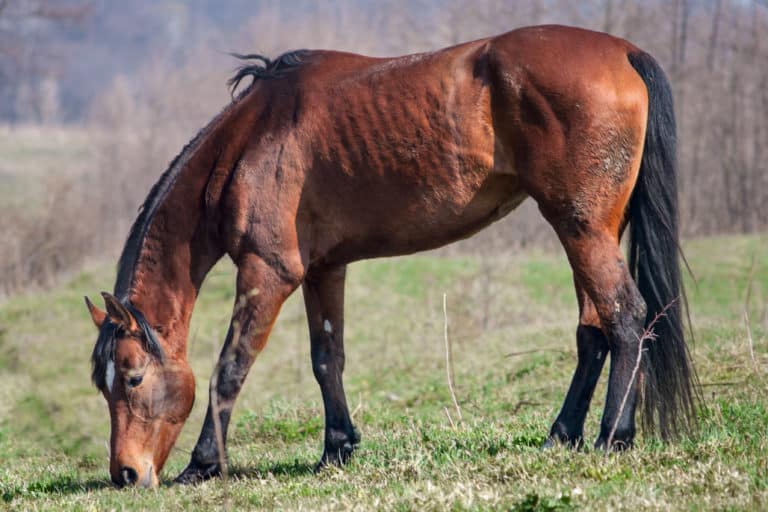
Equine Gait Analysis: Sensor Placement Consistency Crucial
Even small deviations in sensor placement can result in an inaccurate hind-limb lameness diagnosis, researchers found.

Even small deviations in sensor placement can result in an inaccurate hind-limb lameness diagnosis, researchers found.
The proposed role would place the USDA Animal and Plant Health Inspection Service in charge of enforcing the law.
Find out how light can impact a mares’s ovulatory cycles.

Of the 620 respondents, 266 (43%) said their dogs accompany them off-leash on trail rides.
The TIP Thoroughbred of the Year Award and Young Rider of the Year Award applications are due June 30.
Dr. John Pigott will provide service in sports medicine, regenerative therapy, and elective and emergency surgery.
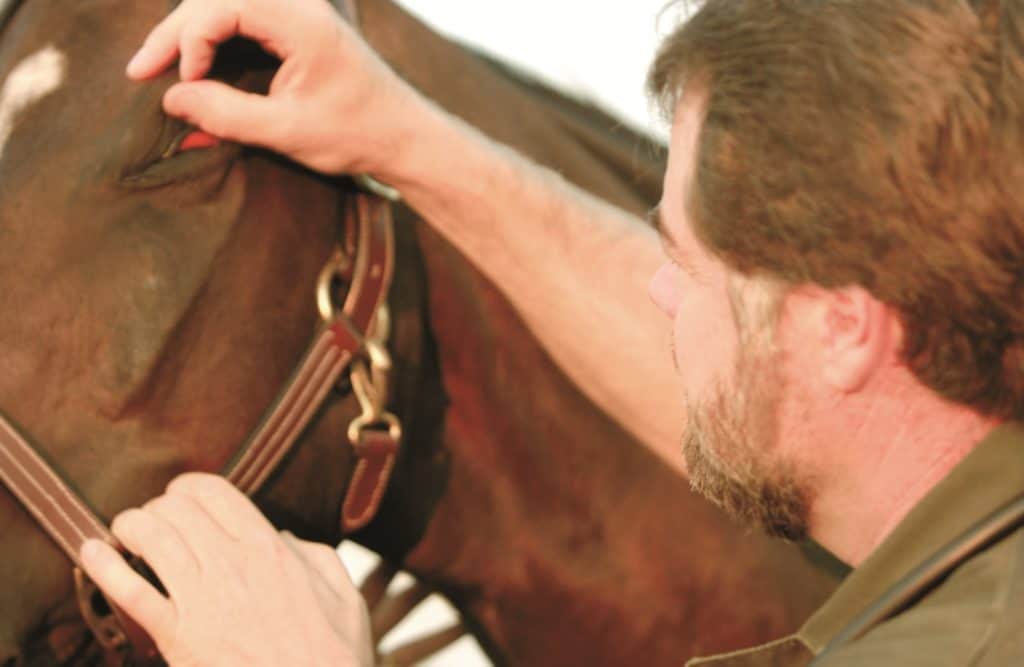
Researchers believe pathogenic forms of Leptospira bacteria are associated with more than 60% of ERU cases.

Survival rates were high, and a surgical procedure could help prevent recurrence of this type of colic.

Find out how data can help improve horse owners’ knowledge of equine disease risks in their area.

A horse previously stabled at Parx Racing tested positive for neurologic EHV-1 and was euthanized April 2.

The BHA adopted a urinary cobalt threshold of 0.01 micrograms and mandated full sets of shoes for flat turf races.

The alliance is designed to is to establish standards and practices to promote safety and integrity in horse racing.
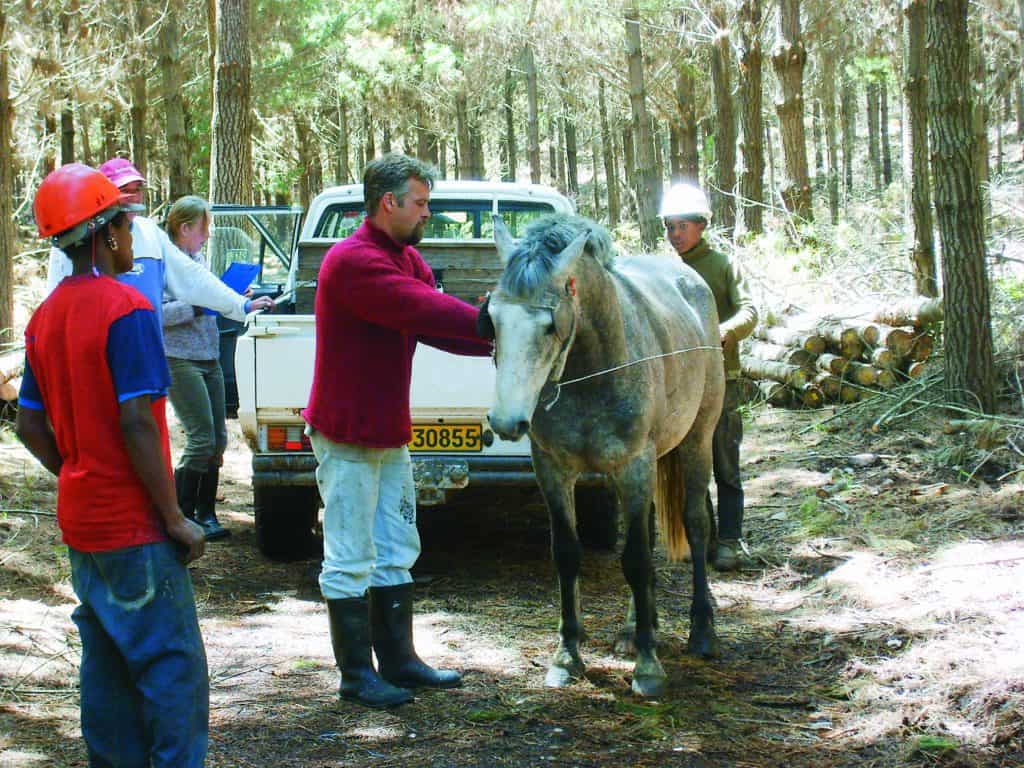
African horse sickness has the potential to spread due to climate change and increased international horse movement.

These viruses are known for causing respiratory, reproductive, and neurologic issues, but can also impact horses’ eyes.
The Australian vet did not provide the owner with all the necessary protective gear while testing a horse for Hendra.

Causes of epistaxis—bleeding from the nose—can range from mild to life-threatening conditions. Here’s what to know.