Peat Gets Thumbs Up as Horse Bedding
Peat might not be pretty, but study results suggest it might be better for your horse’s health than wood shavings.

Peat might not be pretty, but study results suggest it might be better for your horse’s health than wood shavings.

Improving resiliency can equip veterinarians to combat distress and burnout, and help them lead healthier lives.

Placentitis can wreak havoc for mare owners, so it’s important for vets to have a good understanding of the condition.

Learn how to alter senior horses’ diets to maximize health and longevity in the face of common health issues.

Fecal egg count tests (FECTs) allow veterinarians to develop a tailored deworming schedule for each horse.

Officials are urging vaccination following high disease rates in Texas horses last year.

Cryopreserved epididymal sperm can be valuable if a stallion will be castrated or if he dies unexpectedly.

Reproductive tract injuries can result in the presence of blood in a stallion’s ejaculate, called hemospermia.
Lecture topics include nutrition, PPID, parasitology, back pain, toxic plants, natural foot care, and dentistry.

Giving foals hyperimmune plasma did not prevent infection, but it did reduce the severity of R. equi pneumonia.

Veterinarians share their experiences in delivering pain management and discuss the pros and cons of various drugs.

Neil Mittelman, DVM, and Holly Stewart, VMD, will present a joint lecture on March 1 at the New Bolton Center.
Brian A. Rowlands was arrested for allegedly stealing several thousand dollars from the Pennsylvania Morgan Horse Club.

This is the first Florida EIA case in 2016, the Equine Disease Communication Center reported.
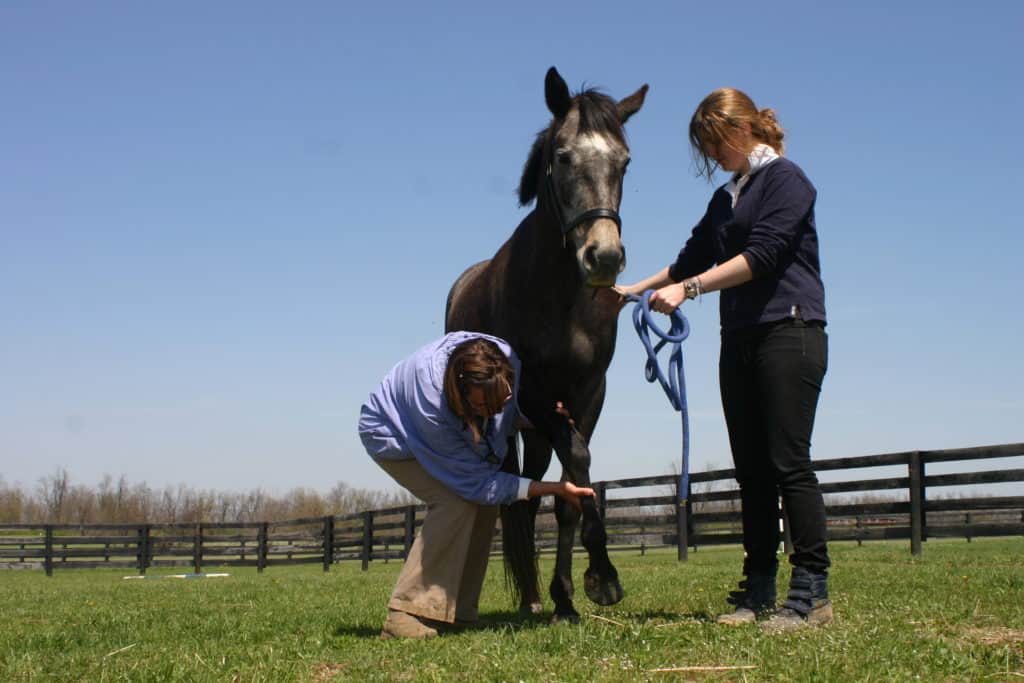
Thorough exams can help vets localize lesions to specific areas of the nervous system based on observed clinical signs.

Researchers found low detection rates in nasal secretions from horses with fever and signs of respiratory disease.