Weed of the Month: Creeping Charlie
Creeping Charlie, or ground ivy, is toxic, but generally horses must consume large quantities for a reaction to occur.

Creeping Charlie, or ground ivy, is toxic, but generally horses must consume large quantities for a reaction to occur.
The HSUS alleged that trainers and grooms at ThorSport Farm sored horses, but the farm owner disputed the claims.

Find out how to ensure your senior horses stay healthy all through their golden years.
The Unwanted Horse Coalition (UHC) has received a generous donation of $102 from 11-year-old supporter Sophia Hatto.

The unvaccinated 7-year-old Fayette County mare is alive and responding favorably to treatment.

Cribbers allowed to crib during training had reduced stress levels than when they’re not allowed to, researchers found.
The American Veterinary Epidemiology Society awarded an honorary diploma to UKVDL scientist Jacqueline Smith, MSc, PhD.
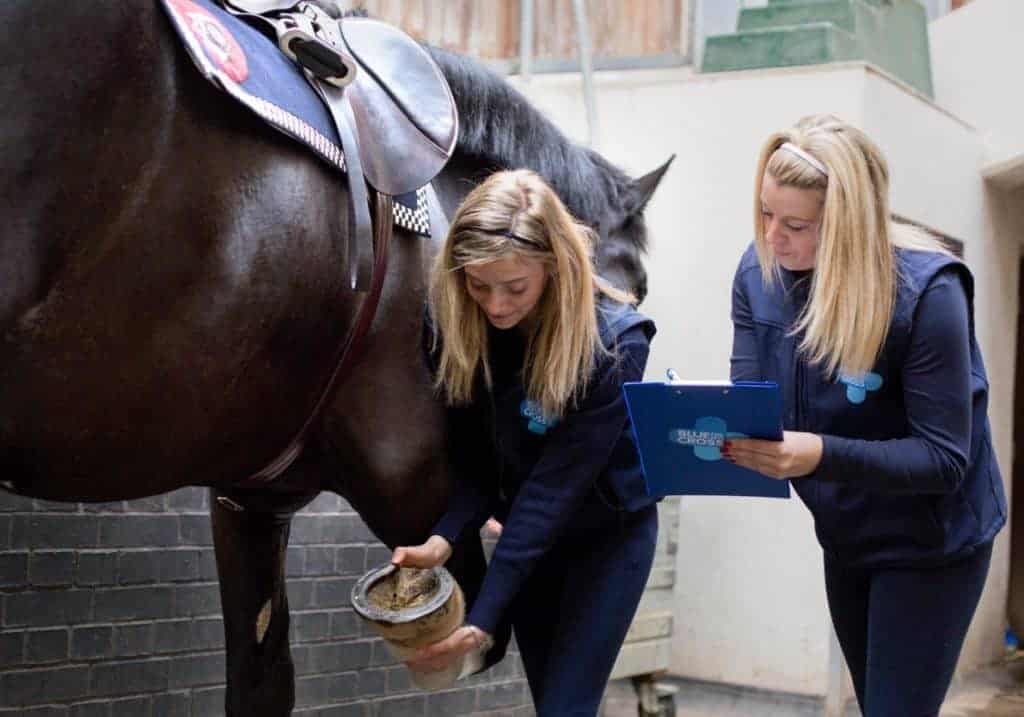
A British survey revealed that lameness is three times more likely to be caused by limb conditions than hoof problems.
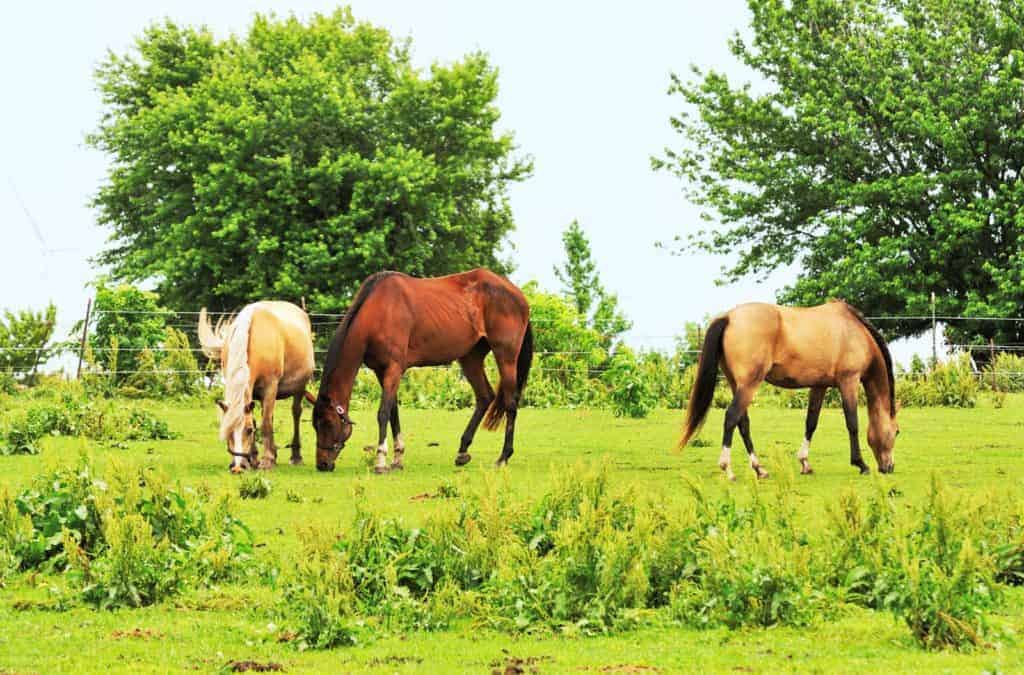
Fall is a good time to evaluate pastures’ quality and develop a weed management plan for the coming year.
A 14-year old palomino stallion was shot and killed with a small caliber gun in July.
The emergency gather aims to maintain herd health and protect rangelands that have been impacted by the Soda Fire.

The experts agree that research results could evolve into standards that can help protect horses and riders.

Equine veterinarians confirm motion capture could be useful for objective measurements of ataxia, or incoordination.
Famed sire Gallo Del Cielo, better known as “Rooster,” died Aug. 20 at the age of 26 following an accident.

Zayat Stables will donate a percentage of the Triple Crown winner’s earnings to New Vocations.

Dr. Brian MacNamara has special interests in lameness and the causes of poor performance in the equine athlete.