Oral vs. IV Bute Administration and Drug Testing (AAEP 2012)
Researchers evaluated if half-doses of Bute resulted in different plasma concentrations than full doses.

Researchers evaluated if half-doses of Bute resulted in different plasma concentrations than full doses.
The AHC and the AAEP issued an open letter to the horse industry regarding U.S. equine disease outbreaks.
Racing officials are taking a close look at the calming agent GABA, which was banned by the USEF in 2012.
HRH Princess Haya opened a session on the air transportation of sport horses at the World Cargo Symposium.

The University of Kentucky Gluck Equine Research Foundation published its 2012 Research Report in March.

One vet says to consider wobbler syndrome as a diagnosis for aged horses with neurologic signs and neck pain.
USDA inspections at U.S. horse processing plants will be funded through September 2013.
Oklahoma have passed a House bill that allows horse slaughter in that state.
The 28th Annual National Conference on Equine Law will take place May 1 and 2 at Keeneland Race Course.
The California Horse Racing Board, citing feed contamination, dismissed 48 positive tests for zilpaterol.

Veterinary experts are managing the EHV-1 outbreak at the site of England’s Badminton Horse Trials.
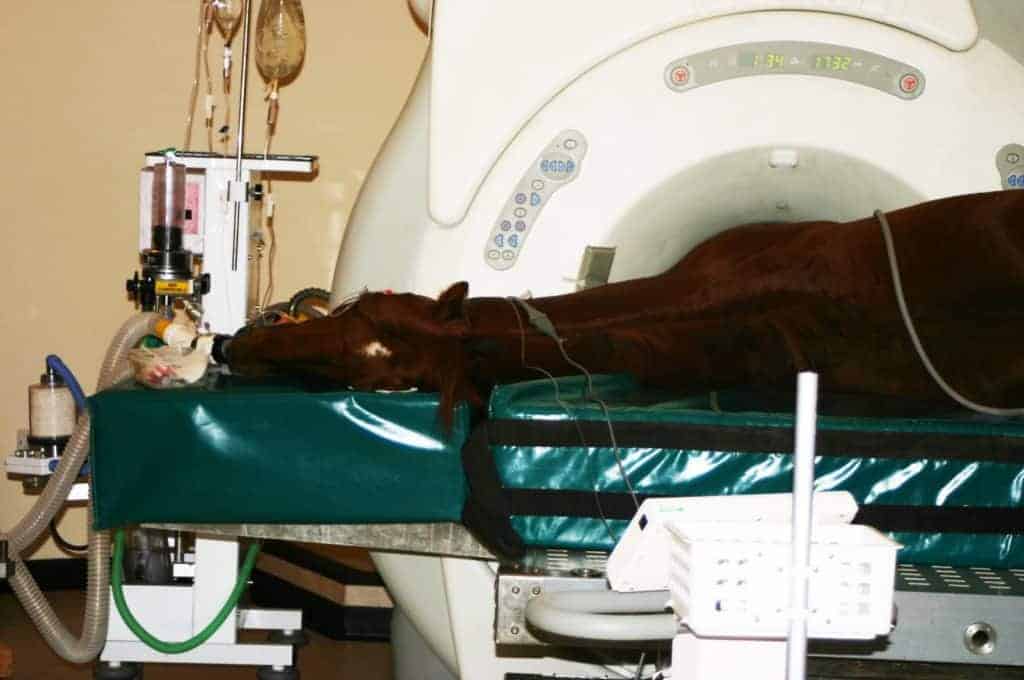
Researchers say MRI is invaluable for identifying suspensory ligament lesions and sesamoid bone damage.
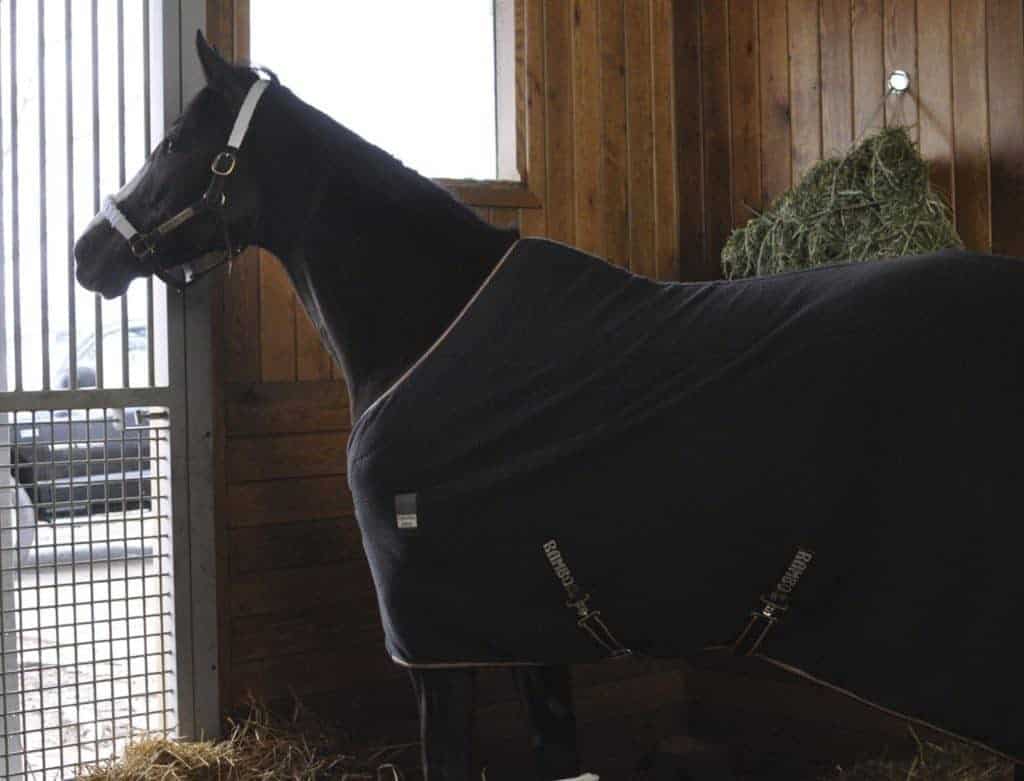
Rachel Alexandra was released from Rood & Riddle Equine Hospital and returned home to Stonestreet Farm today.
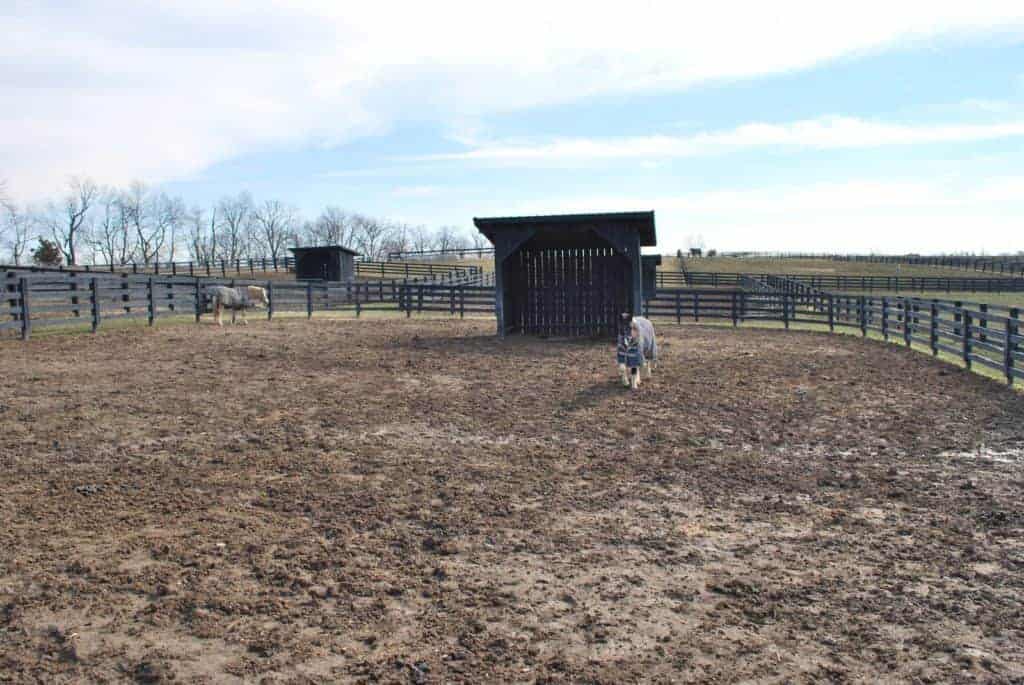
High-traffic paddocks can become eye sores and provide little, if any, grazing for the horses.
What is the most important risk factor that make some horses more prone to laminitis than others?

A Santa Barbara County, Calif., gelding has tested positive for non-neuropathogenic EHV-1.