Eight States Commit to Uniform Racehorse Drug Rules
Regulators in eight states have committed to a uniform racehorse medication and drug testing program.

Regulators in eight states have committed to a uniform racehorse medication and drug testing program.

Equine herpesvirus-1 (EHV-1) tests on more than 200 horses connected to the HITS circuit came back negative.
Our mare has suddenly developed white spots all over her body with no apparent cause. What would cause this?
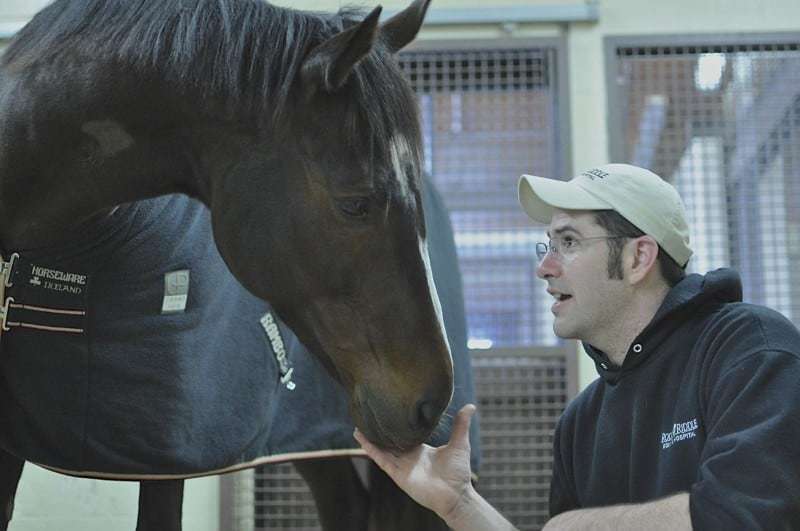
Rachel Alexandra continues healing well following a March 7 procedure to drain an abscess.

Six horses are sought for follow-up testing in connection with a study on EIA in racing Quarter Horses.

Prompt diagnosis and treatment of fungal uterine infections are necessary for a positive outcome.

Officials await results on samples from horses connected to the HITS facility quarantined due to EHV-1.

The Utah state veterinarian’s office has now confirmed nine equine herpesvirus-1 (EHV-1) cases.
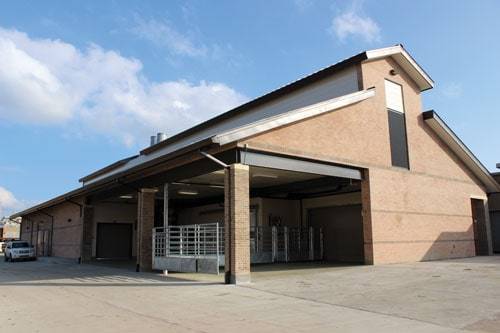
The eight-stall facility is located at LSU’s Veterinary Teaching Hospital.
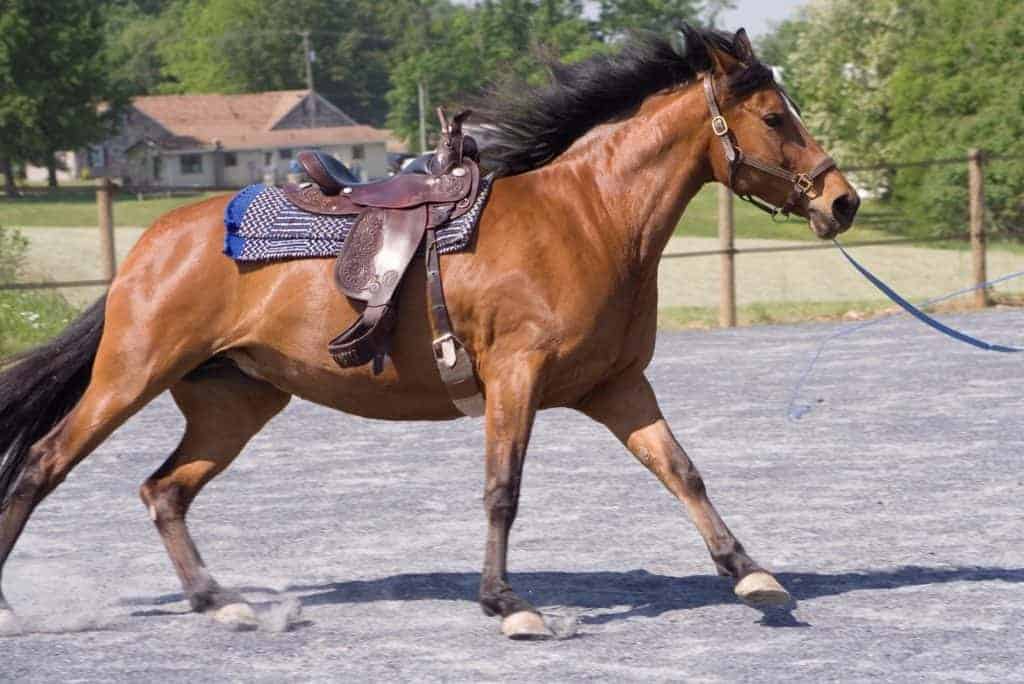
Riders appear to affect horses’ mental stress more than their physical stress during exercise.
A herd of 20 allegedly maltreated horses were seized by Colorado law enforcement authorities last week.
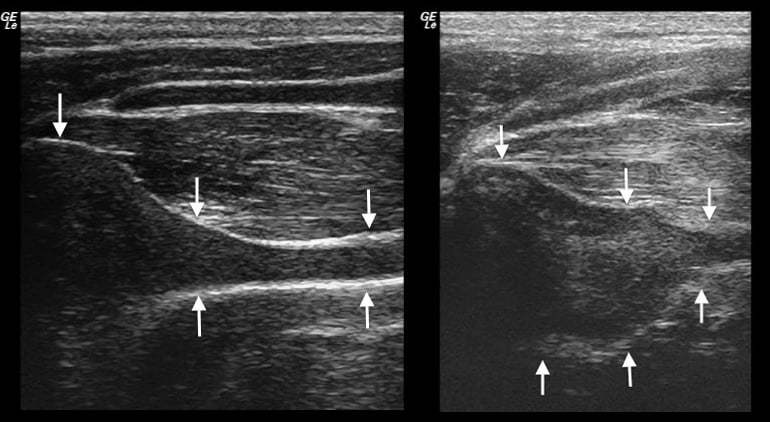
Ultrasonography could be a valuable adjunct tool for diagnosing equine arytenoid chondritis.
The two-week online course will teach people more about best practices for handling horses safely.
Louisiana State University received the $60,000 grant to support their integrative medicine programs.

Veterinarians and farriers must work as a team to manage a horse’s athletic soundness and performance.
Quarantine was lifted on a Wellington farm housing a horse that had shared HITS stabling with an EHV-1 case.