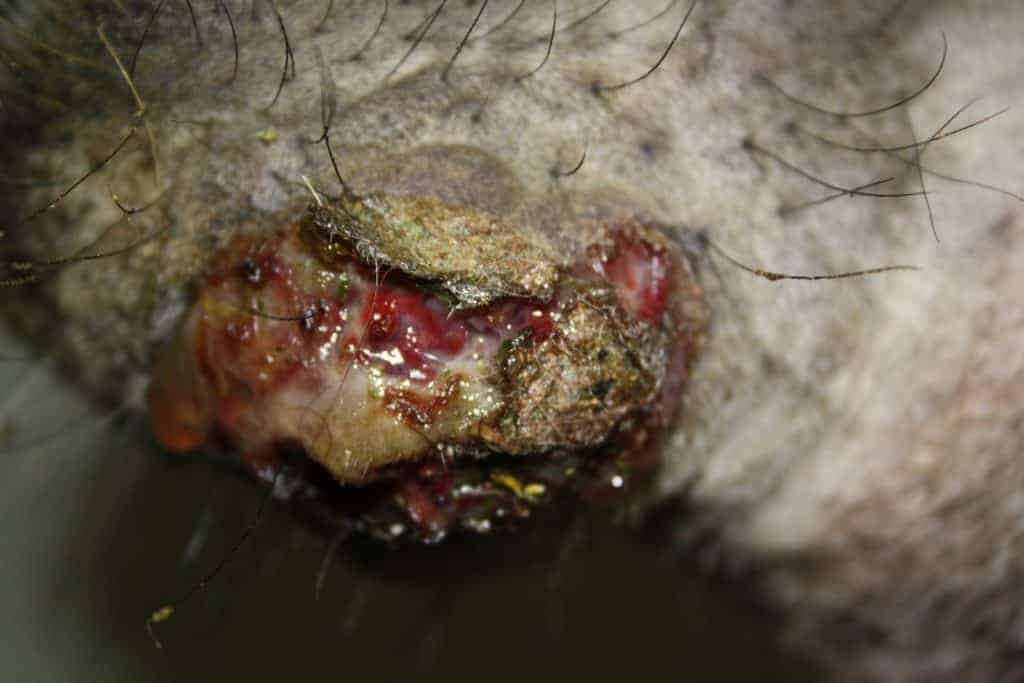
Glanders: A Re-emerging Disease in the Middle East
While eradicated from the United States since the 1940s, glanders is re-emerging in some parts of the world.

While eradicated from the United States since the 1940s, glanders is re-emerging in some parts of the world.
Officials voted to lift the equine piroplasmosis testing requirement at race tracks, beginning Feb. 1.
Short courses will focus on contract/employee labor law, farm safety practices, and more.
CANTER Mid-Atlantic is celebrating a milestone year for transitioning ex-racehorses into second careers.

A review of violation records reveals that fewer Bute overages are occurring at a lower medication threshold.

Some nutritionists have speculated that certain dietary supplements might assist with equine ulcer management.
Two veterinarians, Mark Fitch, DVM, and Richard Tully, DVM, were named the 2012 recipients of the award.

Researchers studied the use of Dip Quick stain for examining sperm morphology with positive results.
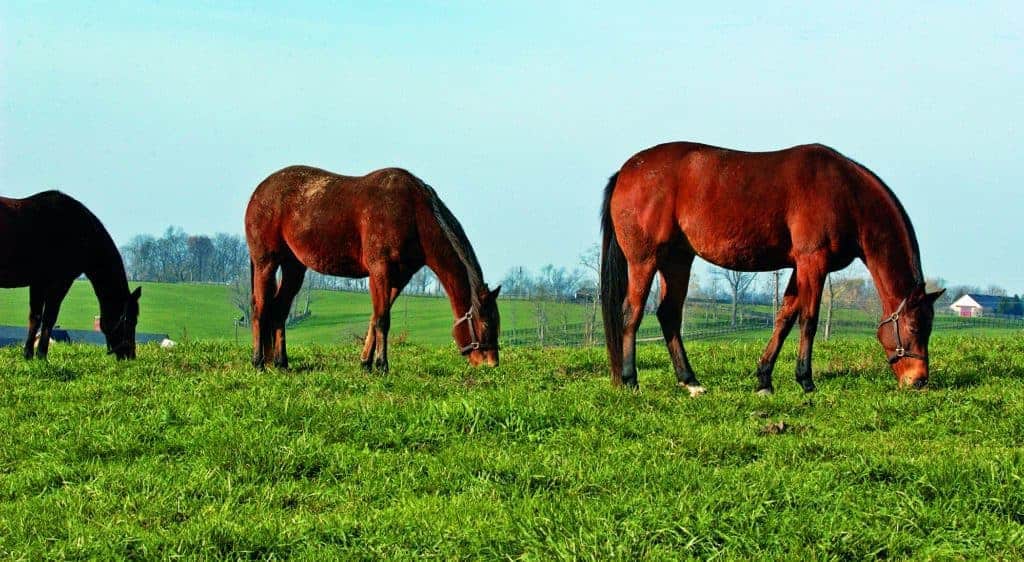
This year’s program will feature advice about minimizing the risk of laminitis in grazing horses and more.
The USEF executive committee approved a rule banning soring during its Dec. 17, 2012, meeting.
Welfare officers have attended training to help them support owners through and following a horse’s death.
There are 236 OIE reference laboratories covering 112 animal diseases, including equine-specific ailments.
Seminar topics for 2013 include placentitis, podiatry, cardiology, endoscopy, nutrition, and more.
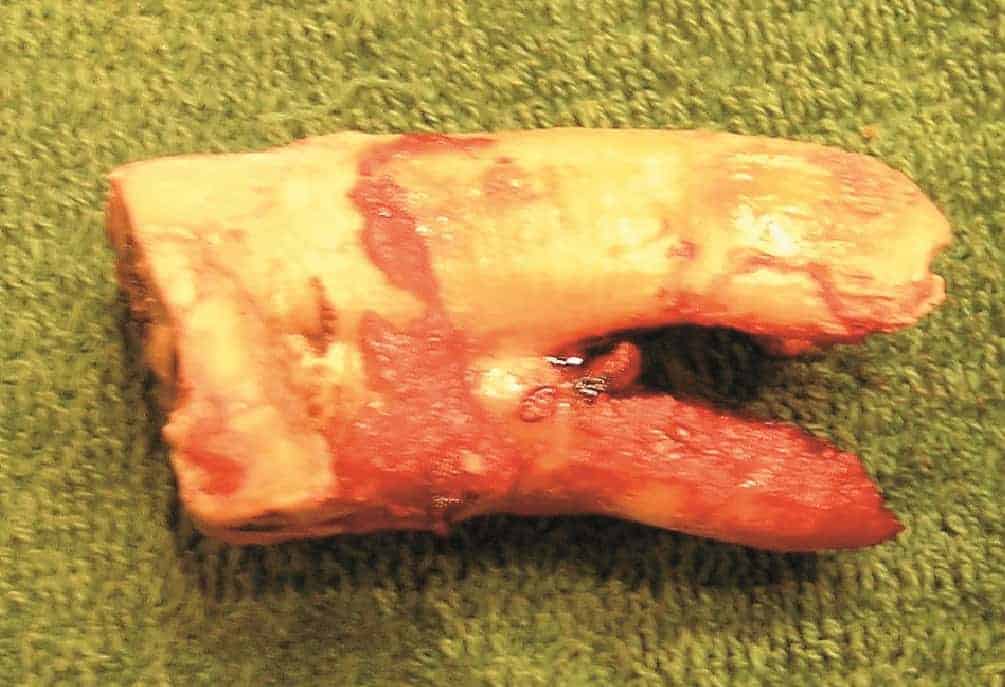
Planning for potential dental extraction complications is essential to a successful procedure.

The legislation calls for a ban on equine performance-enhancing drugs in horse racing in New York.
KENA provides a venue for horse enthusiasts from all disciplines to share ideas and business strategies.