Crestfallen
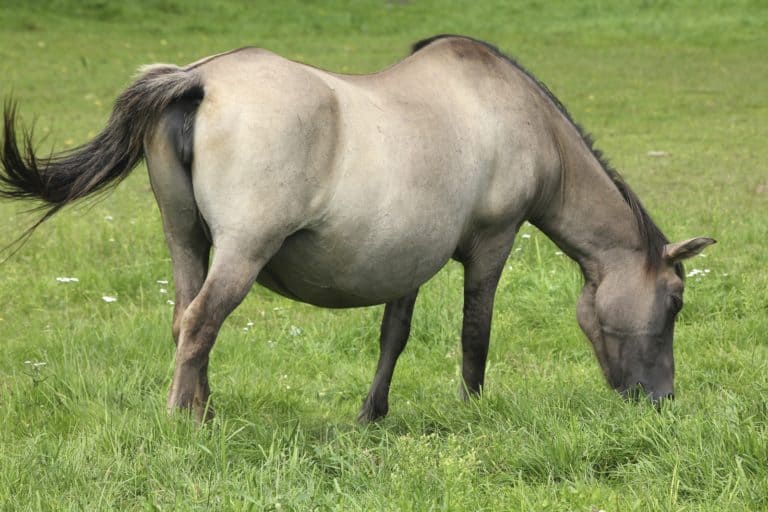
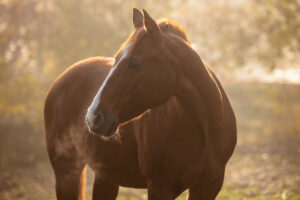
My 13-year-old pony stallion was quite well-muscled and stocky with a pronounced crest when he was younger. Af

My 13-year-old pony stallion was quite well-muscled and stocky with a pronounced crest when he was younger. Af
When my friend rides her Thoroughbred gelding in the arena, after doing several side passes over and over agai
My gelding has been diagnosed with a hernia between the omentum and the inguinal ring. He hasn’t had signs of

During round pen training researchers got similar results from an inanimate object as from a human.
Robert Mealey, DVM, PhD, Dipl. ACVIM discussed the therapeutics and immunology associated with piroplasmosis.
Eric J. Parente, DVM, Dipl. ACVS will discuss advancements in equine airway diagnostics and treatments.
The statue was unveiled at noon on Sept. 29. Crowds gathered to see the life-sized bronze sculpture.
The move stems from a task force report that studied a spate of catastrophic breakdowns at Aqueduct Racetrack.
Along with removals, the gathers will be used to apply fertility-control vaccines starting in November.
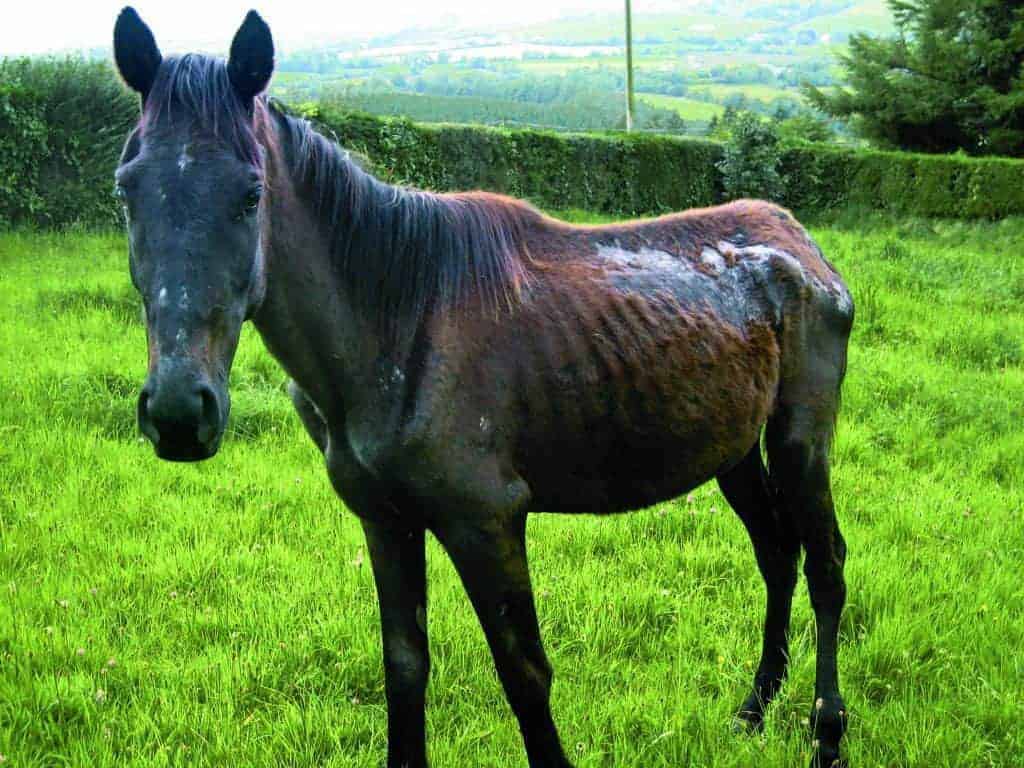
Vets and animal welfare organizations teach law officers how to recognize signs of equine neglect.
Gibson will be heading up a team dedicated to the conservation of land for horse-related activity.
After declining for three straight years, Kentucky farm-level equine receipts increased in 2011.
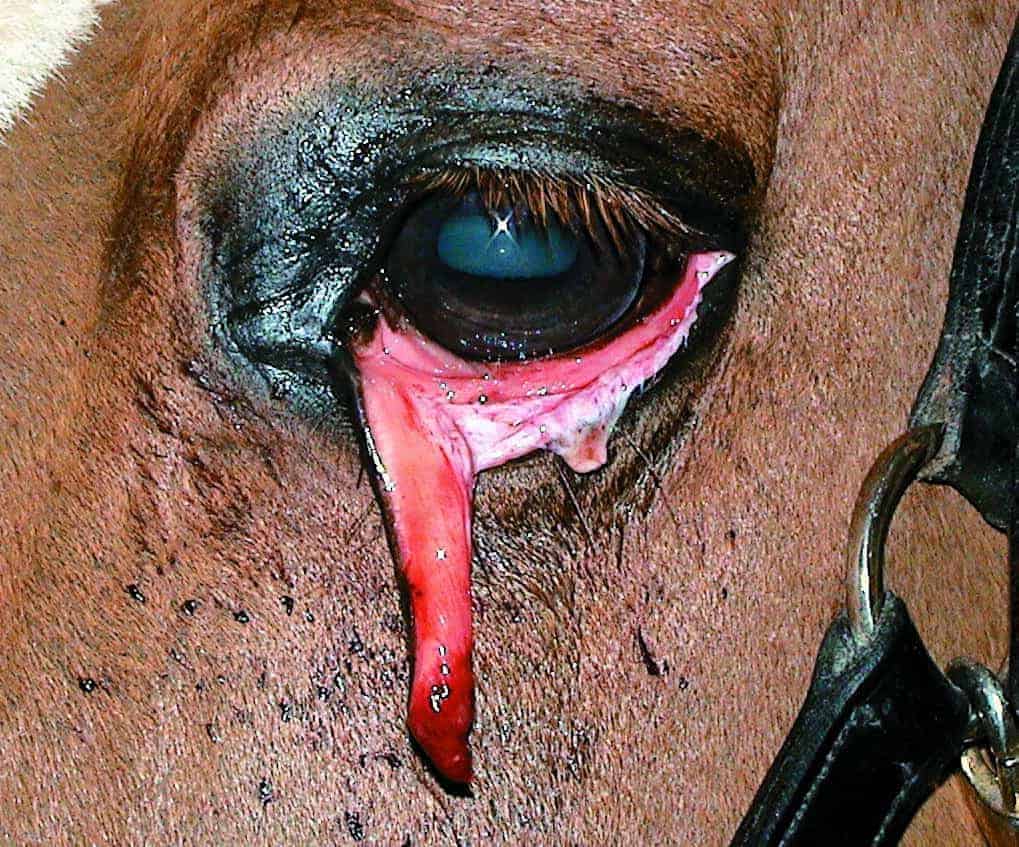
Equine eyelid disorders are common in horses and many can have favorable outcomes with treatment.
A show and sale will raise awareness for the opportunities available for off-track Thoroughbreds.
Hestad studied how endophyte-infected tall fescue seed ingestion would affect nonpregnant mares.