Plan Ahead to Reseed Pastures Best Results
The ideal time to reseed depends on the type of forage a producer selects.

The ideal time to reseed depends on the type of forage a producer selects.
In New Zealand, only veterinarians and veterinary students supervised by vets can perform horse castrations.
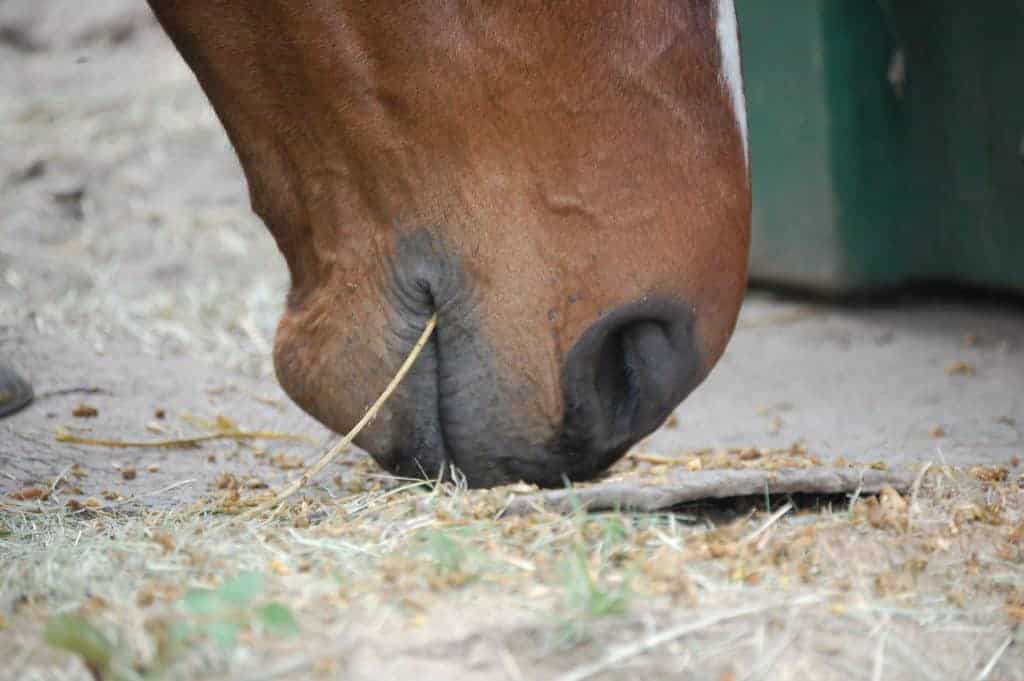
Researchers found that a specially designed feeder can slow horses’ rate of consumption and reduce feed waste.
The affected horse–an 18-year-old Tennessee Walking Horse from Laurel County–had no WNV vaccination history.
An 11-year-old Quarter Horse mare from Salem County has tested positive for West Nile virus (WNV).

Researchers tested electromyography for identifying equine muscle fatigue during exercise.
The USA Equestrian Trust recently granted $10,000 to the AAEP Foundation to support the study.
The Jockey Club has added a provision governing regulatory administration of furosemide on race day.
On Tuesday, Sept. 4, New Bolton Center will present a lecture on new techniques in equine fracture repair.
Veterinarians from Hagyard Equine Medical Center have confirmed leptospirosis in a Thoroughbred weanling.
The three-part series will cover routine veterinary, farriery, and dental care.
A biosecurity plan is essential to minimizing the risk of horse pests and diseases, including hendra virus.
Many grazing strategies will be discussed during a two-day grazing school at the Lake City Research Center.
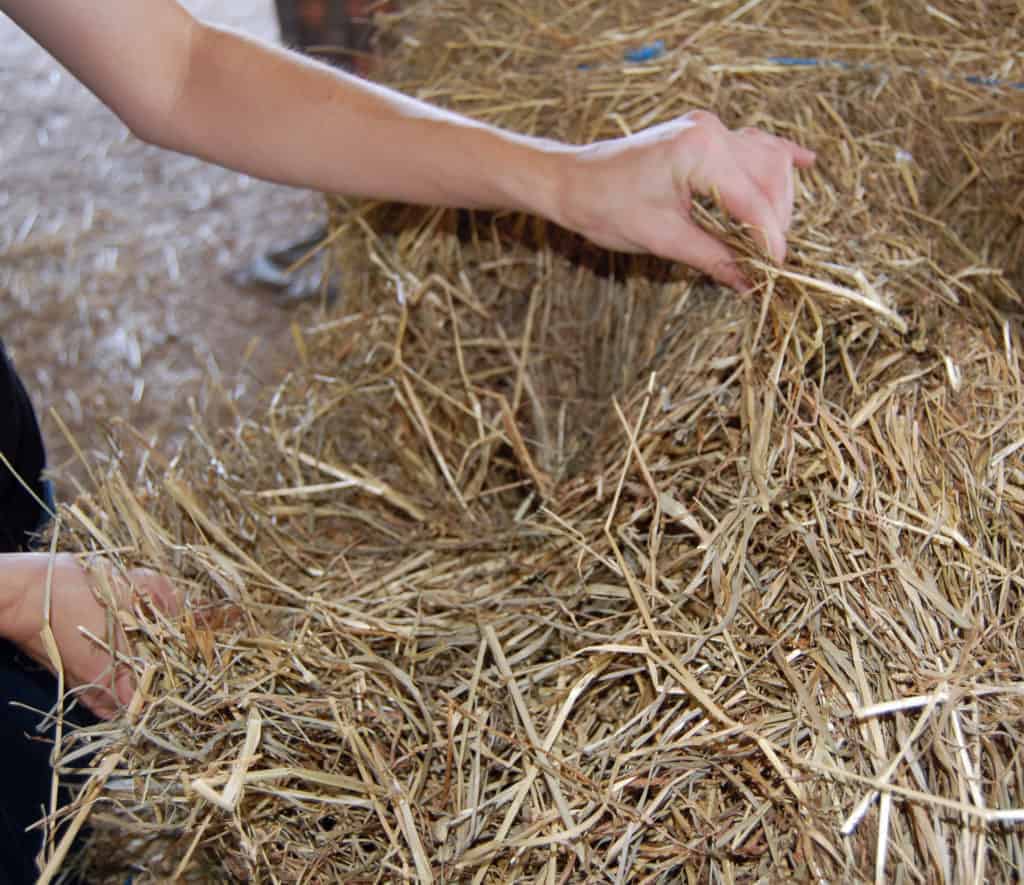
Horse owners might be concerned about the potential for an unsafe feed supply this year due to the drought.

Creating a sacrifice area can help protect horse pastures from wet weather or overgrazing.
The CFIA has released a report on equine infectious diseases in Canada during the second quarter of 2012.