BLM Lists Range Improvement Projects
BLM will spend $300,000 on 12 projects to improve conditions where wild horses and burros reside.

BLM will spend $300,000 on 12 projects to improve conditions where wild horses and burros reside.

Vets examined upper airway obstruction in horses being ridden and when displaying “normal” head carriage.
Enrollment is now open for the University of Kentucky’s Pasture Evaluation Program
Fourth edition of “World Rules for Equine Drug Testing and Therapeutic Medication Regulation” released.
Yun Young Go completed her PhD at the University of Kentucky Gluck Equine Research Center.
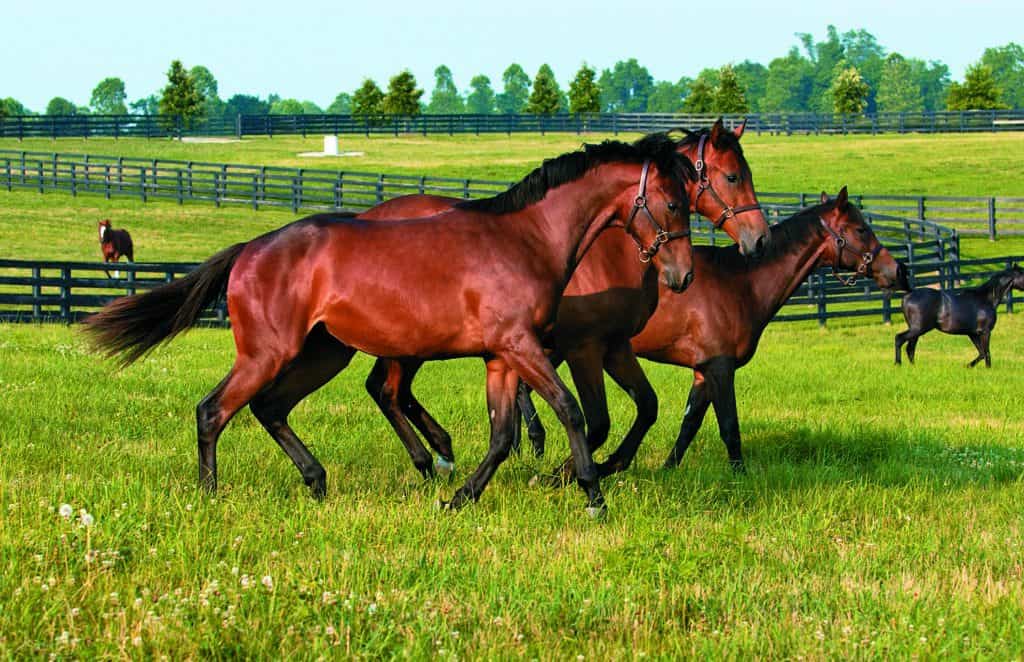
The UK Equine Showcase held Jan. 20 focused on young horse health. Topics included deworming, infectious disease, passive immunity, and vaccination strategies for the foal.
The public can address the Advisory Board during the meeting on April 24, at 10:45 a.m., local time.

Even when NSAIDs are used appropriately, the drugs can still prove damaging to the patient.
A recent recall of horse feed contaminated with the ionophore antibiotic monensin has prompted many questions.
Group discussed horse rescue, retirement, and rehab facility certification and welfare complaint stats.
Proposed Tennessee bill could make challenges to horse-processing plant development costly.
A public open house is scheduled for April 28, from noon to 3 p.m. at the equine rehabilitation center.
Toxic feed contaminants produced by molds, known as mycotoxins, are a risk to livestock, including horses.
Following a veterinary examination at the scene, the surviving horses were placed with a horse rescue.

The new test correlated well with the conventional insulin-sensitivity test and it was repeatable.
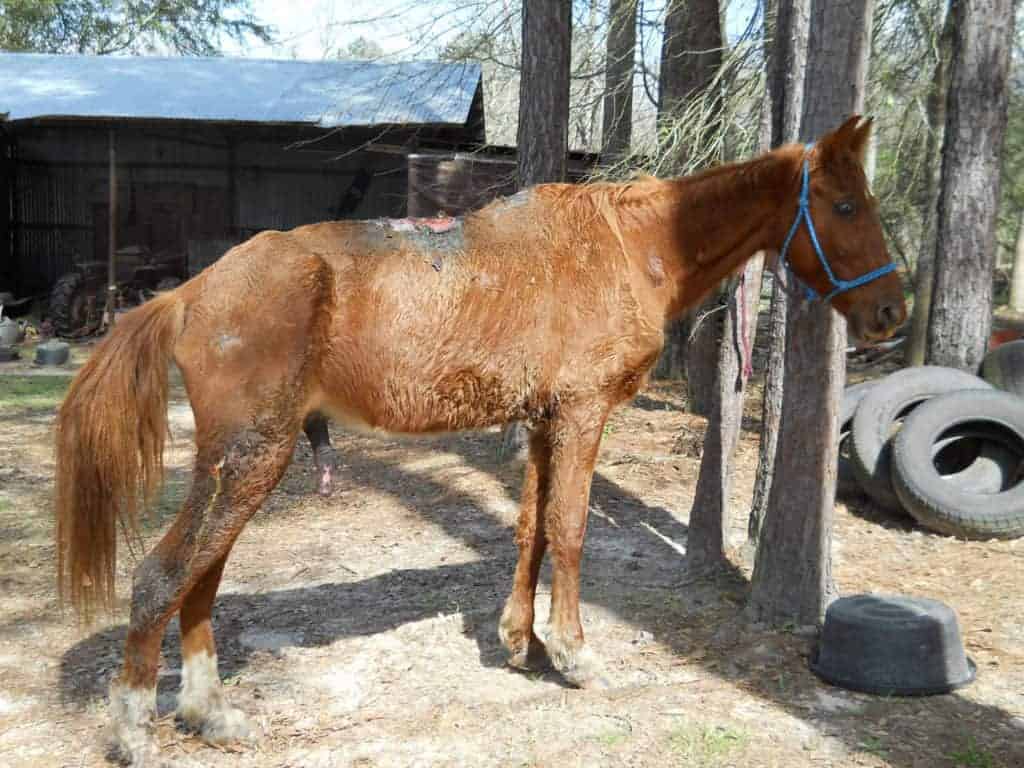
The 4- to 5-year-old sorrel male Tennessee Walking Horse was discovered on March 2, standing on a roadside.