Texas Horse Attacker Sought
Texas authorities are seeking whoever is responsible for beating a horse before setting it ablaze.

Texas authorities are seeking whoever is responsible for beating a horse before setting it ablaze.
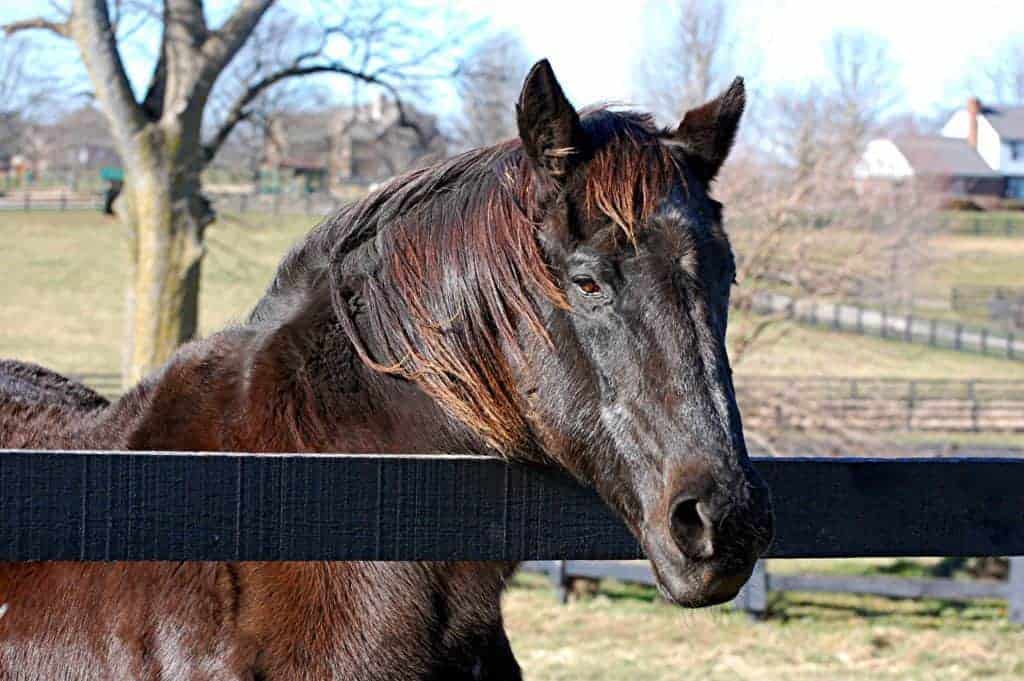
The son of Thoroughbred stallion Northern Prospect out of the Lucky Debonair mare Fortunate Bid was 31.

Researchers recently examined whether diagnostic anesthesia could skew the results of equine foot MRIs.
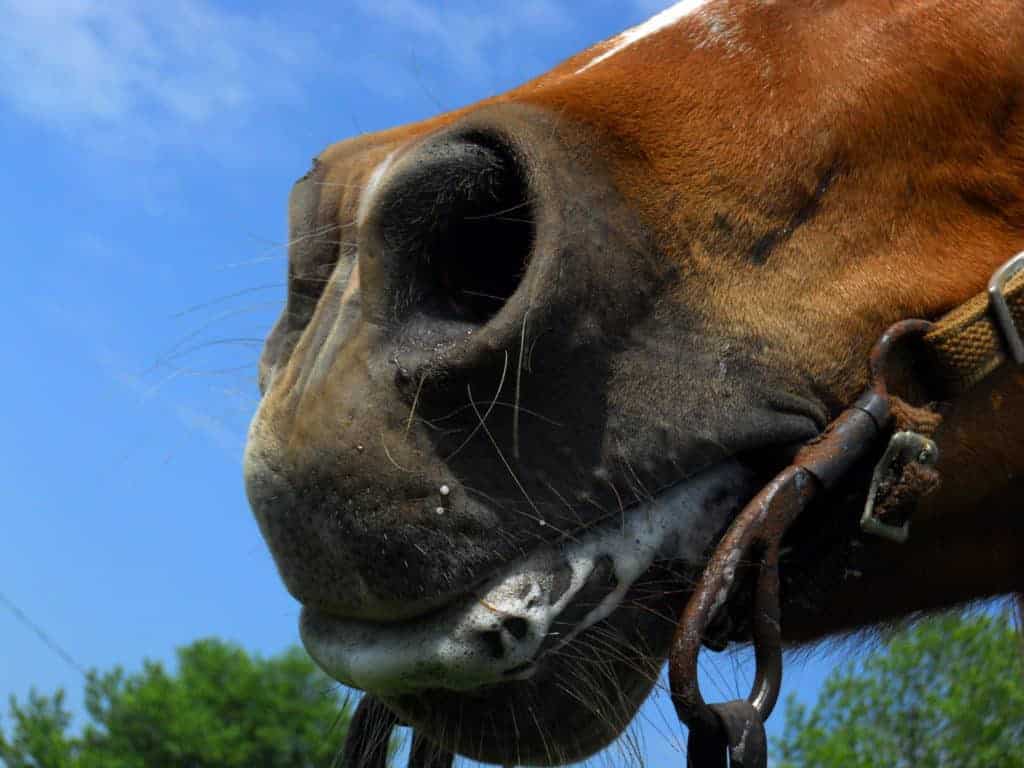
Inflammatory airway disease is a top cause of decreased performance and affects up to 50% of equine athletes.
n addition to the processing plant, the project includes an onsite equine “Rescue and Rejuvenation Program.”
Research topics include foal pneumonia, laminitis, vitamin D’s role in immunity, and stem cell therapy.
Published reports indicate that both horses recently attended the HITS Desert Horse Show in Thermal, Calif.
The new group is designed to expand options for ex-racehorses and the demand for the breed in horse shows.

An effective electrolyte supplement replaces ion and water loss during exercise, one researcher said.
The show faced criticism after the first two horses died in racing accidents during season one filming.
Developers cited high site preparation costs as the reason for abandoning the Mountain Grove location.
With its high mortality rate and lack of effective treatment, EEE poses a serious threat to the horse health.
A recent study suggests that with supportive care affected foals can lead healthy and productive lives.
A recent study showed anti-Mullerian hormone levels is a useful test for detecting granulosa cell tumors.
The animal was being led back to its barn after a veterinary check when the horse reared and fell backwards.
The 6-year-old gelding is recovering after a tornado swept him up from a pasture and dropped him into a house.