IAWTI Courses Help Responders Handle Livestock Emergencies
Two training session at UC Davis trained first responders in the safest ways to handle livestock emergencies.

Two training session at UC Davis trained first responders in the safest ways to handle livestock emergencies.
The feral ponies that reside on the Atlantic coast handled Hurricane Irene well.
Cornell University researchers are examining the use of degradable pins for treating OCD lesions in horses.
A tenth horse in New South Wales has tested positive for hendra virus, bringing the national total to 21.
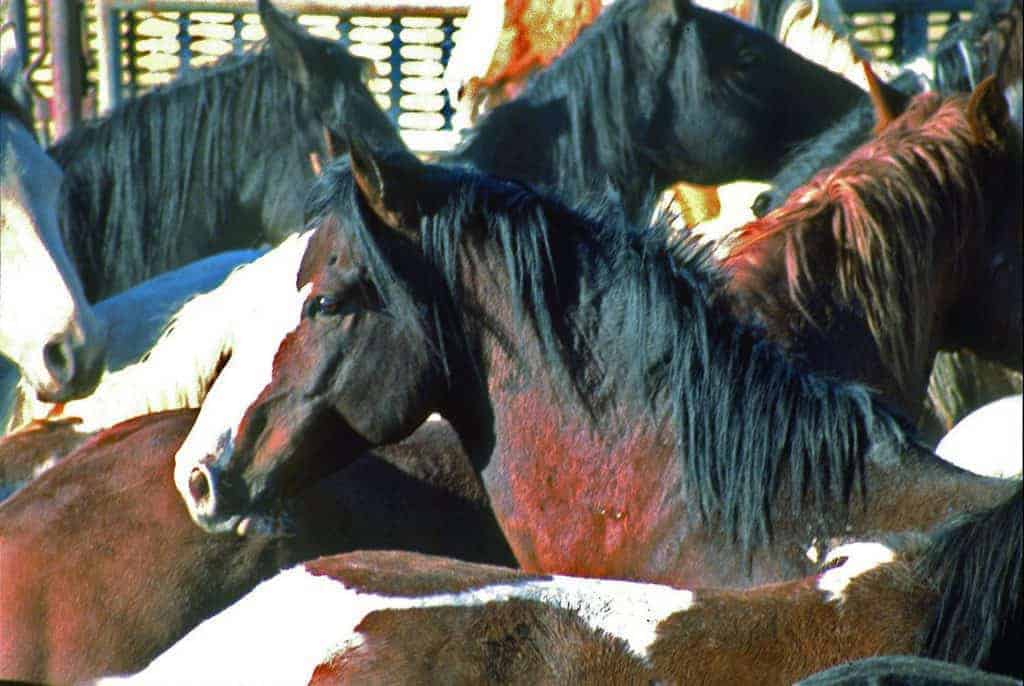
The AAEP BLM Task Force released its evaluation and recommendations for improving the handling of wild equids.
A probe into Life At Ten’s Breeders’ Cup Ladies’ Classic performance has cost more than $100,000 to date.
A previously contested BLM mustang gather is the focus of yet another lawsuit from a wild horse advocate.
An equine rescue is facing charges for allegedly defrauding financial contributors and maltreating horses.
At press time no equine fatalities had been reported, but many areas are still evaluating the damage.
The CHDA announces the co-sponsorship of a study investigating fertility vaccines for use on wild horses.
While swimming-induced colic does occur, it doesn’t happen as frequently as some might have thought.
The AYHC is seeking nominations for the Adult and Student Leaders of the Year awards.
A New York Supreme Court ruling regarding that state’s out-of-competition drug testing has other implications.

University of Kentucky researchers examine the genetics of congenital flexural limb deformities in foals.
UK is home to a unique USDA research unit that focuses a large portion of of its forage research on horses.

Laurie Lawrence, PhD, received the American Society of Animal Science Fellow Award for research achievements.