Dwarfism in Miniature Horses: New Study Published
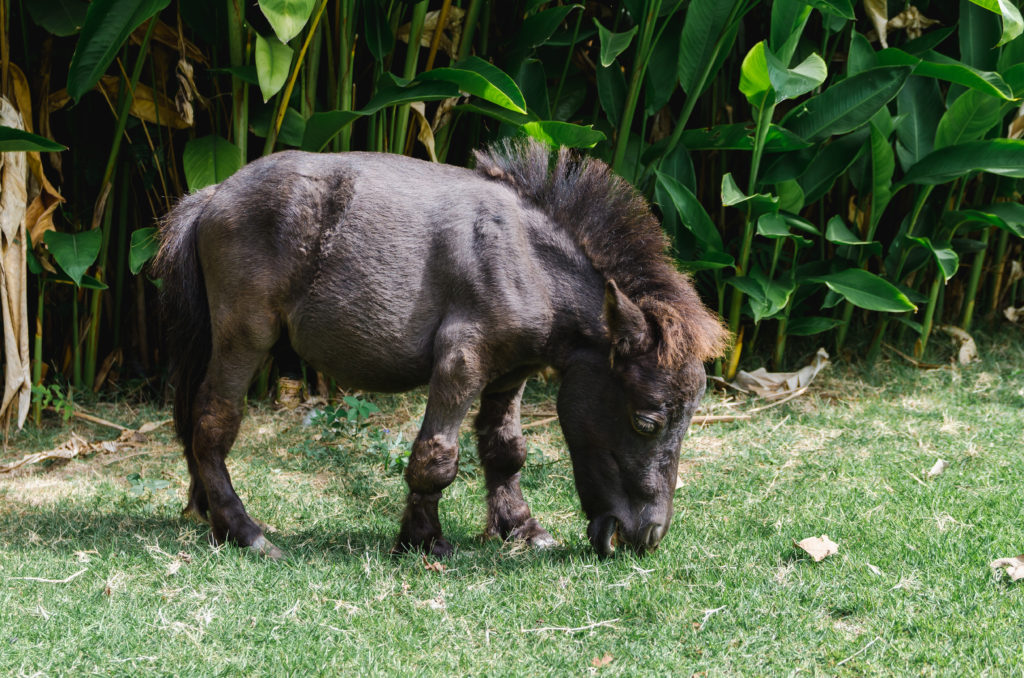
Researchers identified found mutations in the gene aggrecan—the major structural protein of cartilage associated with dwarfism in Miniature Horses.

Researchers identified found mutations in the gene aggrecan—the major structural protein of cartilage associated with dwarfism in Miniature Horses.

By re-analyzing DNA from a Thoroughbred mare named Twilight using updated equipment, scientists corrected thousands of errors in the original sequence released in 2009.
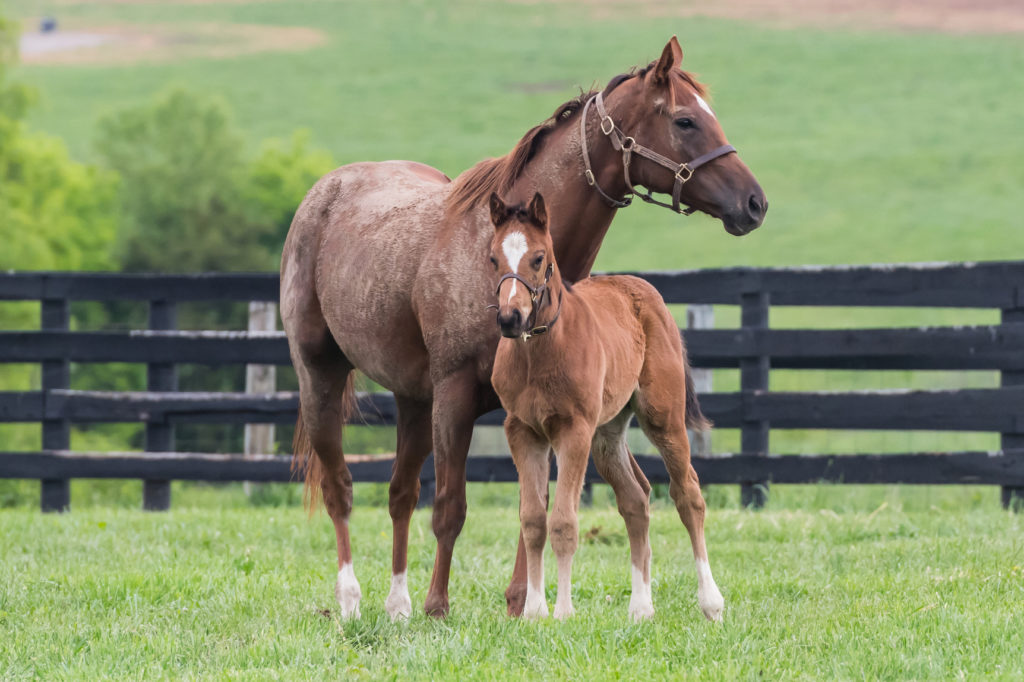
Dr. Ryan Ferris explains the different meanings of “foundation mare” for a reader who owns one but isn’t sure what the term means.

Researchers know the modern domestic horse is the result of thousands of years of selective breeding. But they’re still striving to understand how and when equine breeding programs got started and evolved.

The equine genomics research community has outlined how to face the challenges associated with translating Horse Genome Project outcomes into clinical practice to benefit horses.

An old adage says a good horse doesn’t come in a bad color. But recent study results might rewrite that saying. Researchers have uncovered a possible link between coat color and harness racing performance.

Selective breeding has led to a Thoroughbred uniquely adapted to modern racing’s demands. But it’s also led to inbreeding, and with that has come some less favorable genetic issues.

Learn how to manage this incurable disease that causes debilitating lameness in horses.
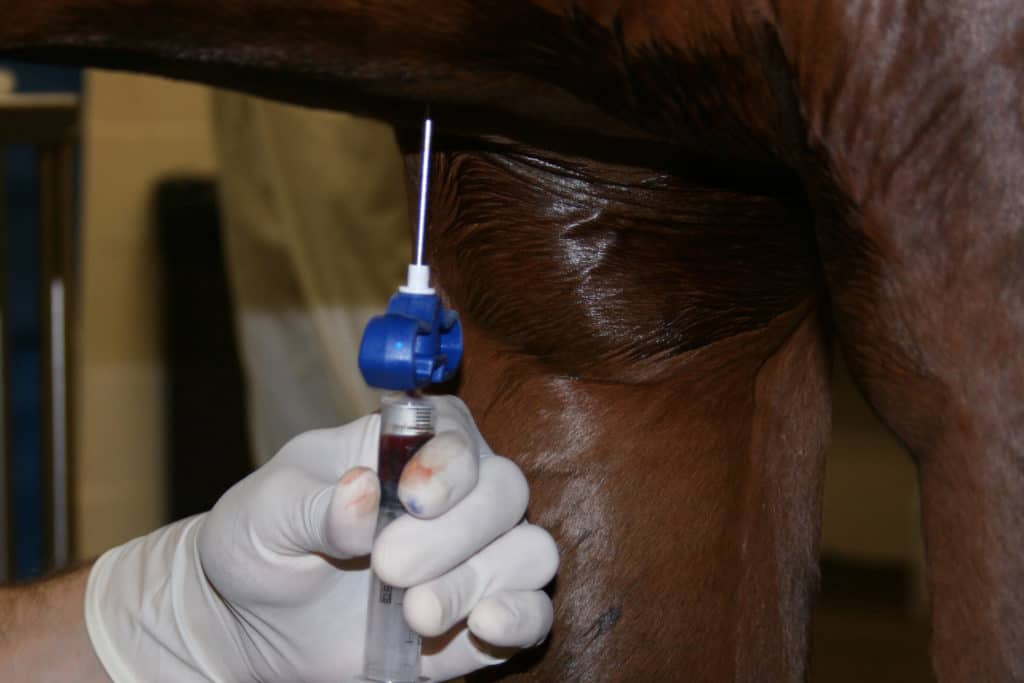
Researchers found that 90% of stem-cell-cloned foals were “completely healthy and normal” at birth, whereas two-thirds of the skin-cell-cloned foals were not.

Researchers also developed a genetic test to check for the “MYH1 mutation,” which can now allow owners and veterinarians to identify susceptible horses and screen breeding stock.

Ippo is unwittingly giving scientists a powerful look into the science of how equids (and other species) evolved, researchers say.

Scientists are continuing to uncover which genes are responsible for certain traits in horses.
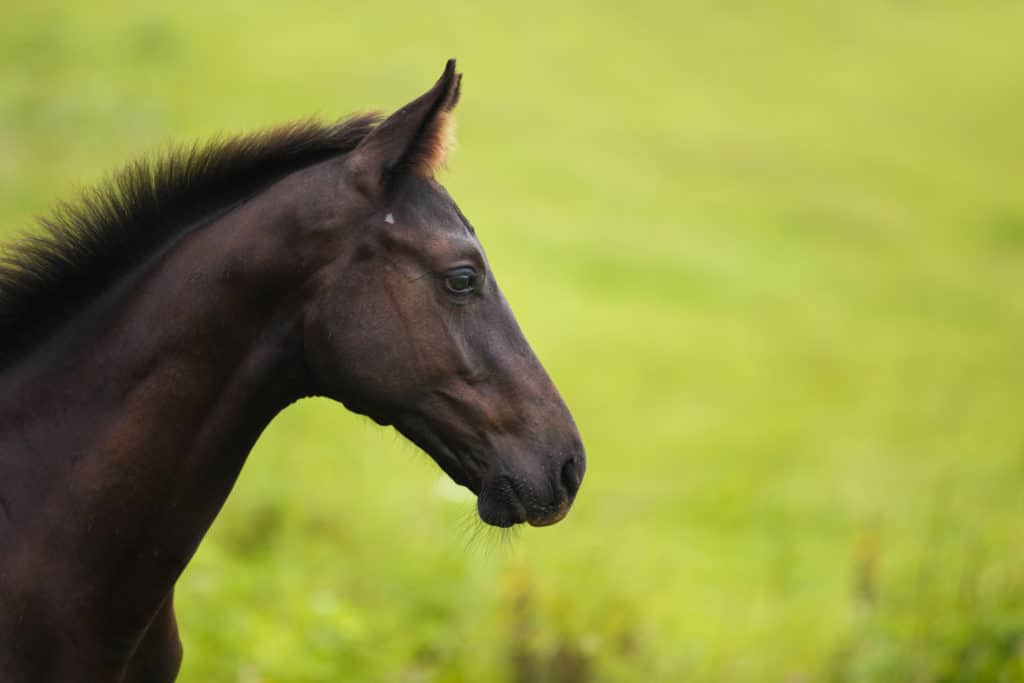
Horses with Warmblood fragile foal syndrome have extremely fragile skin and abnormal joint laxity.
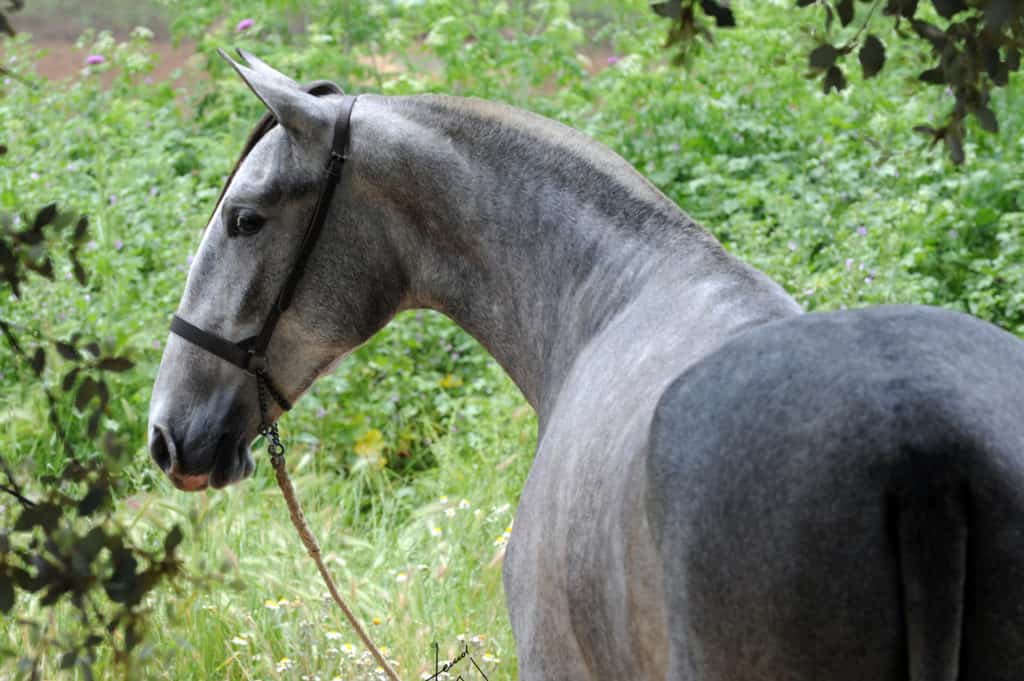
Chromosomal anomalies like chimerism are one of the leading genetic causes of infertility in horses.
EquCab3.0 will be a critical resource for equine geneticists and scientists working to identify the causes and related biology of horses’ inherited traits.

Genetically engineered horses could be arriving as soon as next year, but how that engineering might affect their health and welfare remains unclear.