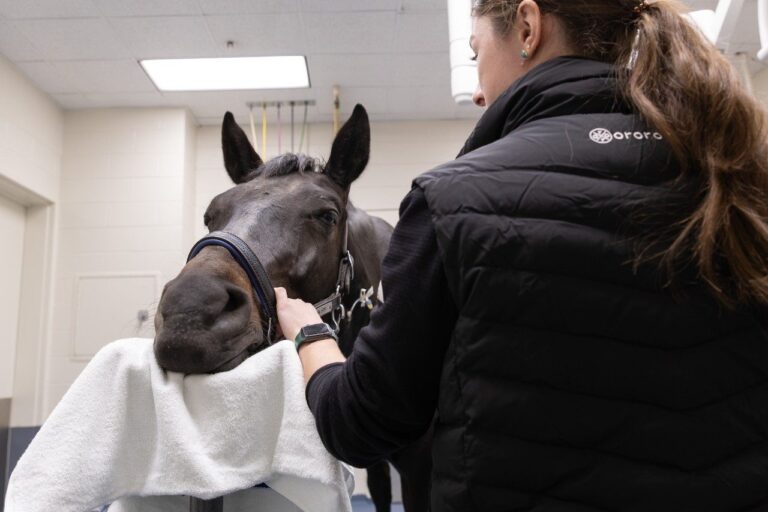
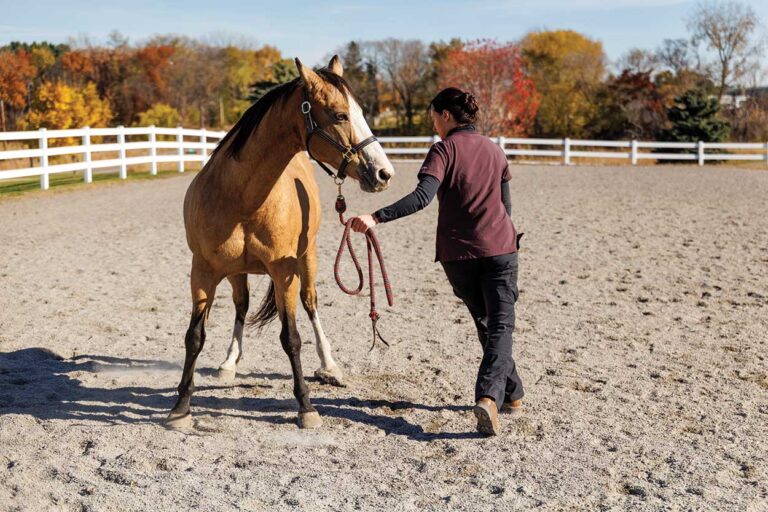
Researchers Assess Deworming’s Link to Inflammation in Horses
A study found inflammatory response in horses depends not on the deworming drug used but rather on the parasites present at the time of treatment.

A study found inflammatory response in horses depends not on the deworming drug used but rather on the parasites present at the time of treatment.

Learn about the genetic test every American Quarter Horse Association breeding stallion must undergo and the five diseases it screens for.

A genomic study of horses with CIA found the condition is highly heritable. Here’s what else the researchers learned about horses that don’t sweat.

This is the first genetic variant for hypoparathyroidism identified in any domestic animal species. Testing is now available.

An equine genetics company is expanding a study about kissing spines in horses. The deadline for sending samples is Oct. 10.

Some of the Arabians in a far-reaching genomic study had as much as 62% of their DNA coming from Thoroughbreds.

Does your horse have thin soles? Here’s how to manage his feet to help keep him sound.

Dwarfism in horses causes major health challenges, leading to a heightened risk of functional handicaps, nutritional disorders, chronic pain, and serious welfare concerns.
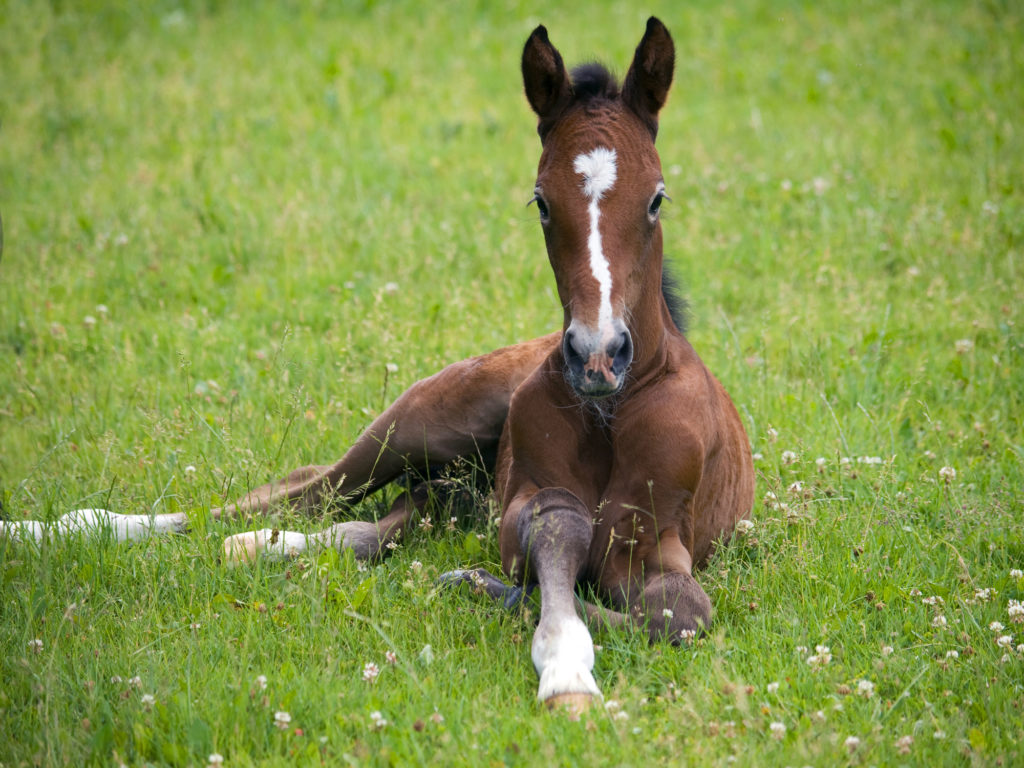
Two leading genetics researchers described current and upcoming tests for a variety of heritable equine conditions.

Dr. Regina Turner shared her favorite breeding-related studies on topics ranging from foaling prediction to estrus suppression.

University of Minnesota College of Veterinary Medicine researchers have launched a study investigating the genetic and management factors influencing muscle disease in horses. Find out how to get involved.

German researchers found foals can spontaneously correct their own overjets (parrot mouth) within a year. However, they also found that foals born without overjets can develop them within the first few months of life.

With the national horse population trending down, the abundance of options available to horse buyers has left some rare breeds teetering on the edge of catastrophic loss.
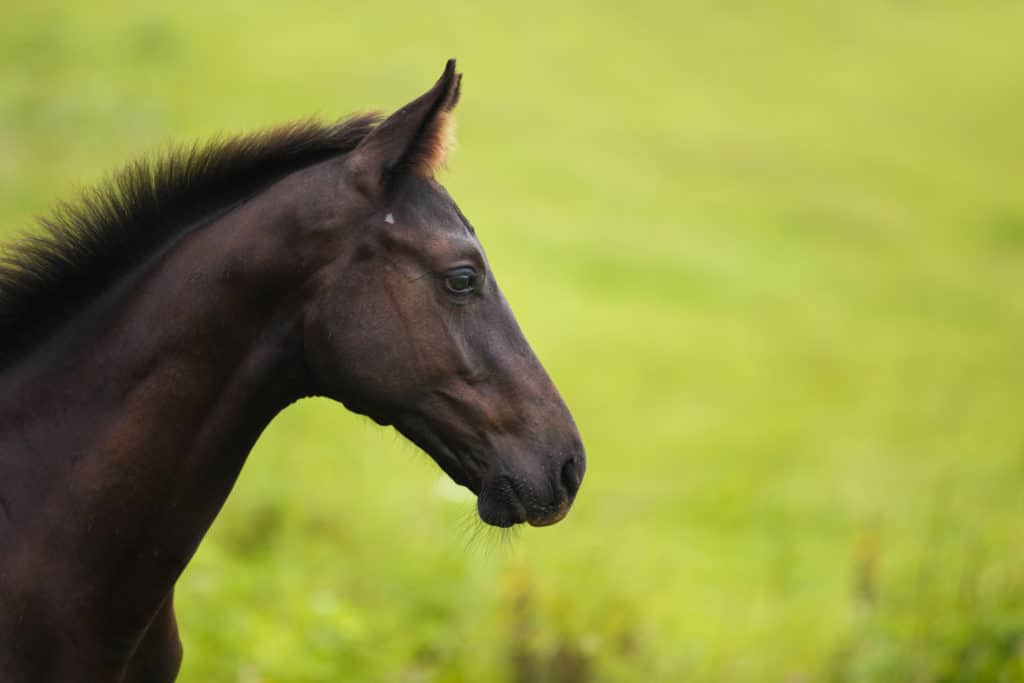
Researchers found that the WFFS gene occurs as frequently in Brazil as it does in the U.S. and Germany, and breeders and vets might need to consider the gene in breeding programs with mares that have increased pregnancy losses.

A horse’s papers were lost during Hurricane Harvey. His new owner wants to know if DNA testing can help discover his breeding.

Current horse breeding trends are characterized by a decline in mares bred and a new focus on well-being of established pregnancies, as well as enhanced genetic selection related to the health and future performance of foals.