Biomarkers for Equine Athletes
How can biomarkers be used to help improve performance and reduce injury risk in horses?

How can biomarkers be used to help improve performance and reduce injury risk in horses?

An overactive immune system, environmental factors, genetics, and exposure all contribute to equine allergies.

Friesian breeders can test for the variant to implement early veterinary management and avoid breeding carriers.

Techniques that allow researchers to understand the underlying mechanisms of disease include genetic analyses, RNA sequencing, and advanced proteomics and lipidomics.

If you suspect your horse’s hair whorls have something to do with his personality, you might be right.

Researchers monitored mares’ heart rate responses to sounds of certain predators. Here’s what they found.

Research results could lead to better identification of horses likely to gray early or pass on gray-with-age genes and a clearer understanding of how the mutation affects horses’ health.

Three scientists discuss genetic variation in horse breeds, why it’s important, and what we’ll learn from the Thoroughbred Genetic Diversity project.
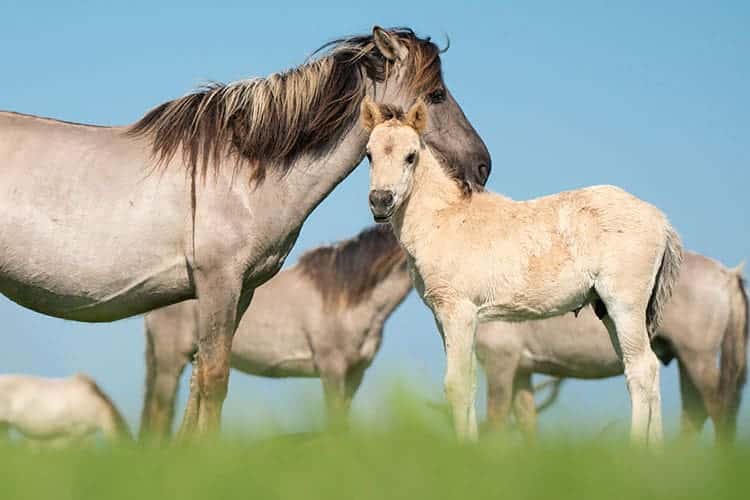
Researcher: ACOX1 might factor into energy metabolism that contributes to the different needs of certain breeds, including Thoroughbreds and Arabians, as well as “rustic” breeds capable of surviving harsh conditions.

A dappled coat might be a sign of optimum equine health and nutrition, but the reality is more complicated. One equine nutritionist offers advice on bringing out the bloom in your horse’s coat.

Researchers believe breeding two white-spotted donkeys could lead to embryonic loss, fetal abortion, or the death of a young foal.

Study: Arabians with certain genes coding for less muscle fatigue, more time-efficient energy production, and improved muscular contraction have better racing results than those without.

Researchers also looked at the long-standing belief that the Warmblood fragile foal syndrome mutation began in Arabians. The study’s results don’t support an Arabian origin for the disease.

Scientists are rapidly homing in on the specific areas of the equine genome linked to this debilitating condition.

Measuring mRNA markers might offer an economical, effective, and noninvasive way to detect horses at risk of catastrophic injury.

A Brazilian researcher recommends genetic testing of mares showing “stallionlike” behavioral characteristics or infertility.