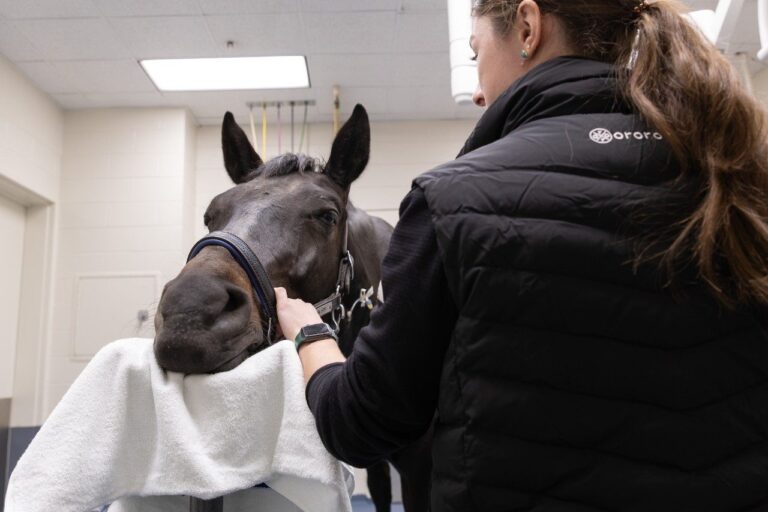
Understanding Equine Genetic Diseases
Research is offering more insight into inherited diseases and conditions in our horses. Learn more about HYPP, PSSM, overo lethal white syndrome, lavender foal syndrome, HERDA, SCID, and more.

Research is offering more insight into inherited diseases and conditions in our horses. Learn more about HYPP, PSSM, overo lethal white syndrome, lavender foal syndrome, HERDA, SCID, and more.

The paternal lines of nearly all modern horses trace to stallions brought to Europe from Asia over the last 700 years.

Genetic and genomic research could help veterinarians diagnose disease early and select more targeted treatments.

What could be the cause of this horse’s strange eyelid indentation?

Researchers say this seems to confirm lore that some horse breeds are more susceptible to EMS than others.

A scientific basis behind breeding can allow for more informed decisions as horse breeding and equestrian sports evolve.
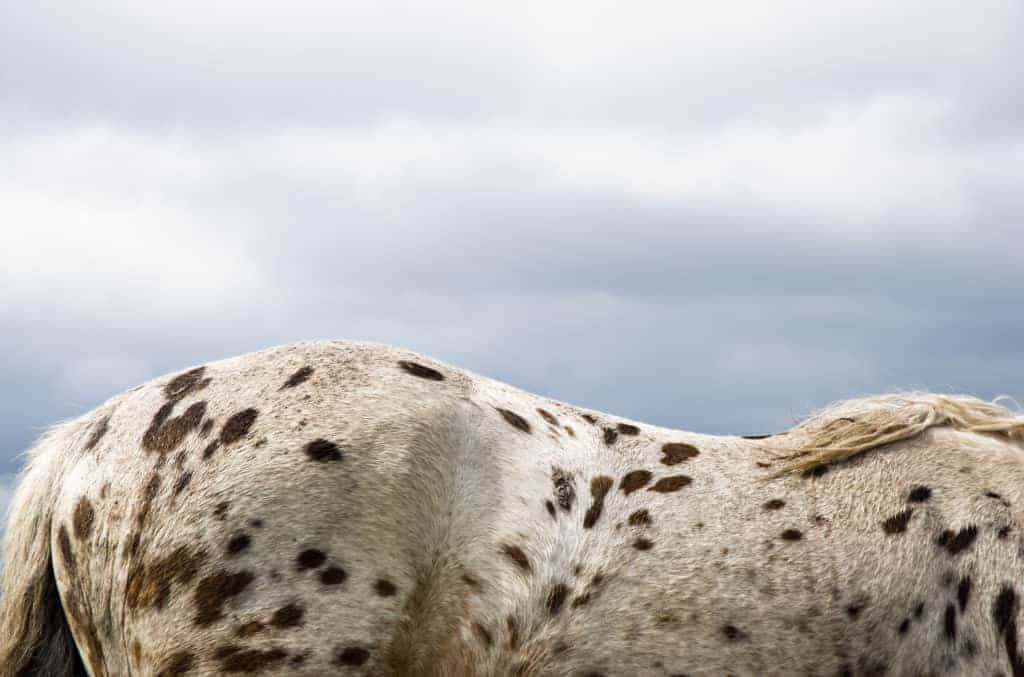
In the Middle Ages sorrel horses outnumbered all other coat colors, with bay and black following close behind.

The Yakutian horse made one of the fastest evolutionary adaptations known in large mammals, in just 800 years.

Squamous cell carcinoma is the most common cancer found in equine eyes and the second most common equine tumor overall.

Genetic Testing at Gluck is offering tests to identify carriers of the dwarfism and hydrocephaly mutations.
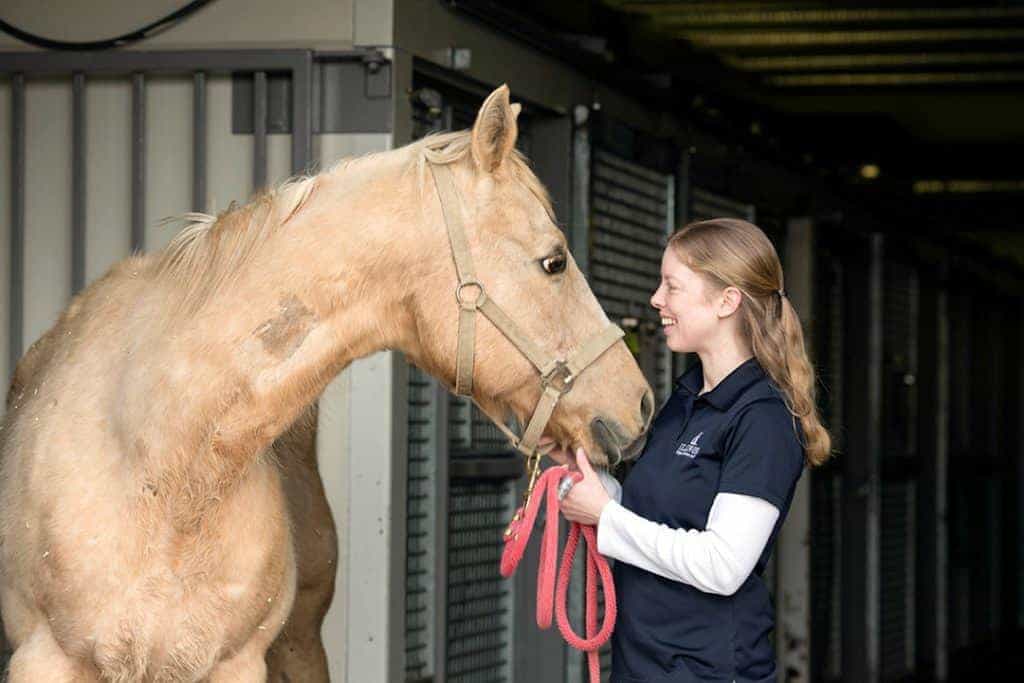
Dr. Annette McCoy explains how horse color is a great example of something called “simple inheritance.”

The gene appears to affect horses’ muscular ability to carry out specific gaits, such as the tolt in Icelandics.

Have you ever used genetic testing to research your horse’s ancestry? Find out how a DNA test offered Alayne some surprise answers to questions about her BLM mustang’s ancestry.

Do you want to know if your broodmare carries a serious genetic disease? Are you curious about your horse’s color? Or do you need to confirm parentage on a horse? Learn about equine genetic testing available from the University of Kentucky.

A hereditary disease–skeletal atavism–leads to disturbed skeletal development and usually requires euthanasia.
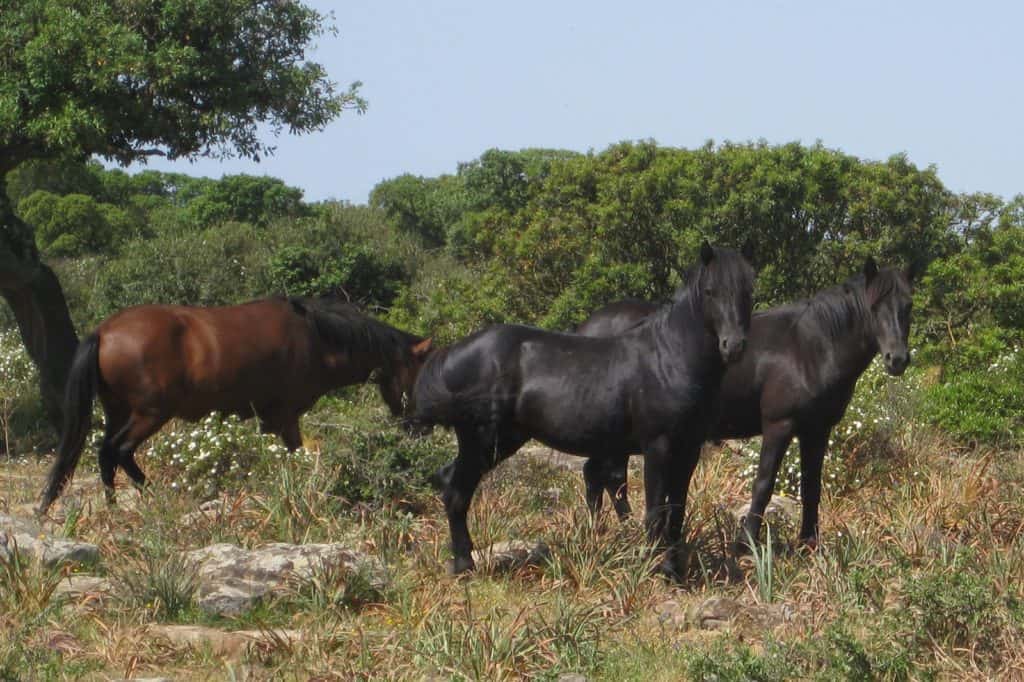
Italian horses are product of diversity coming from across Europe, Asia, and northern Africa, researchers found.