Researchers Confirm IgG Values for Predicting Foal Survival
Foals with IgG levels lower than 800 mg/dL are more likely to die than those with levels greater than 800 mg/dL.

Foals with IgG levels lower than 800 mg/dL are more likely to die than those with levels greater than 800 mg/dL.

An equine behavior expert addresses contradictory characteristics between foals out of one mare born different years.

A horse’s coat color genetics are important not just for aesthetic reasons; they can also have health implications.
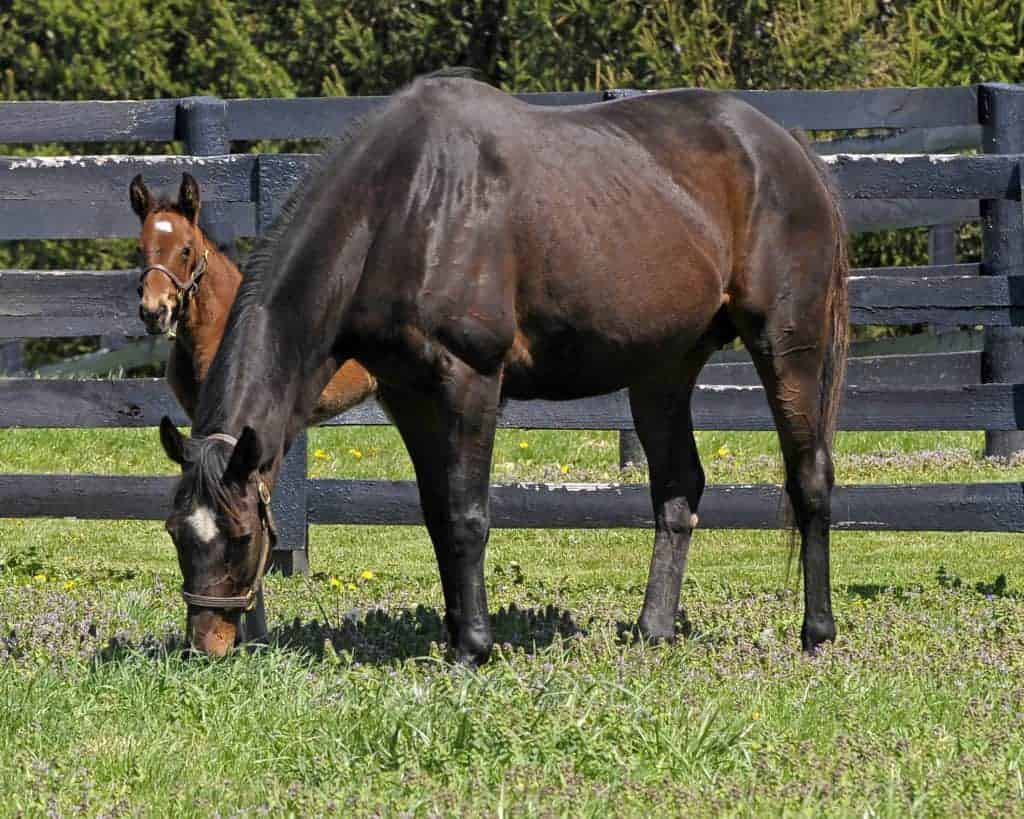
Horse breeding is only as effective as your ability to predict a mare’s impending ovulation. Here’s how vets do so.

Pregnancy failure in mares is a very real risk; here’s how to prevent or handle it.
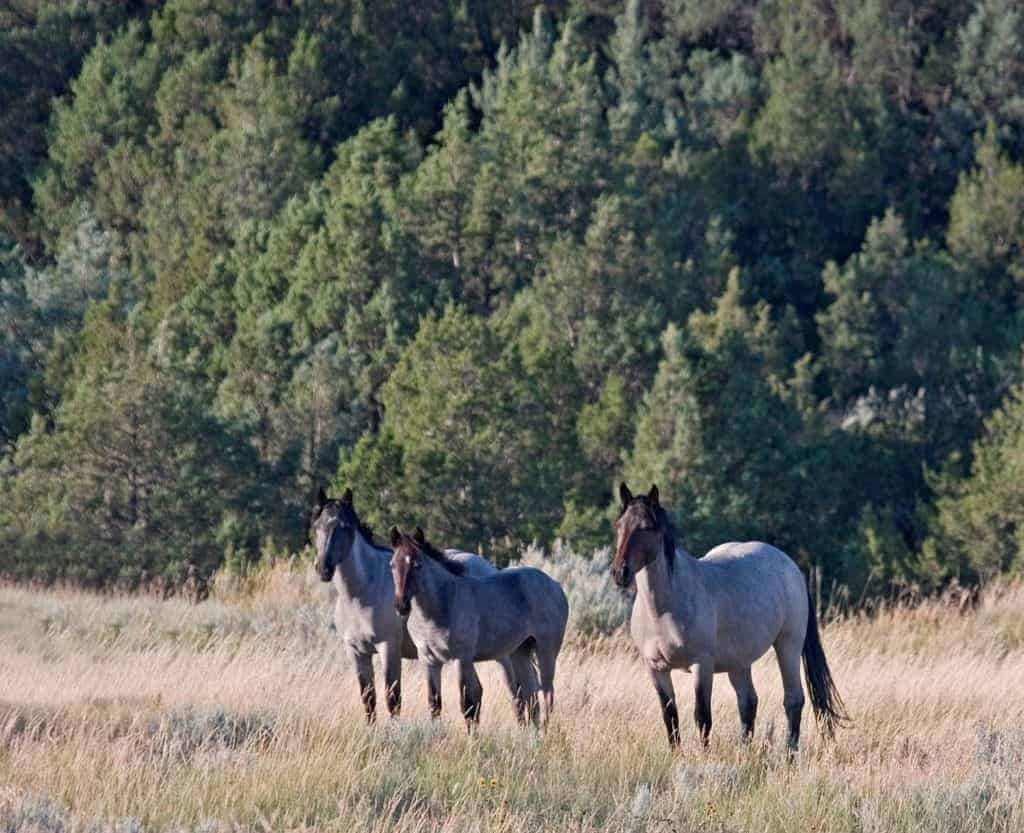
The National Park Service is studying the use of fertility control vaccines to control feral horse populations.

Whether breeding is your business, hobby, or neither, continue asking yourself why you’re breeding your mare and what you hope to get out of it.

Researchers recently evaluated multiple ovulations and how vets can detect them and, thus, prevent twin pregnancies.

A rupture to this hind leg muscle can be fatal. Here’s what to watch for in young foals.

Find out what to expect as your mare goes into labor and during your foal’s first hours of life.

Dr. Nancy Diehl offers advice on keeping stallions happy and safe during routine handling and breeding.
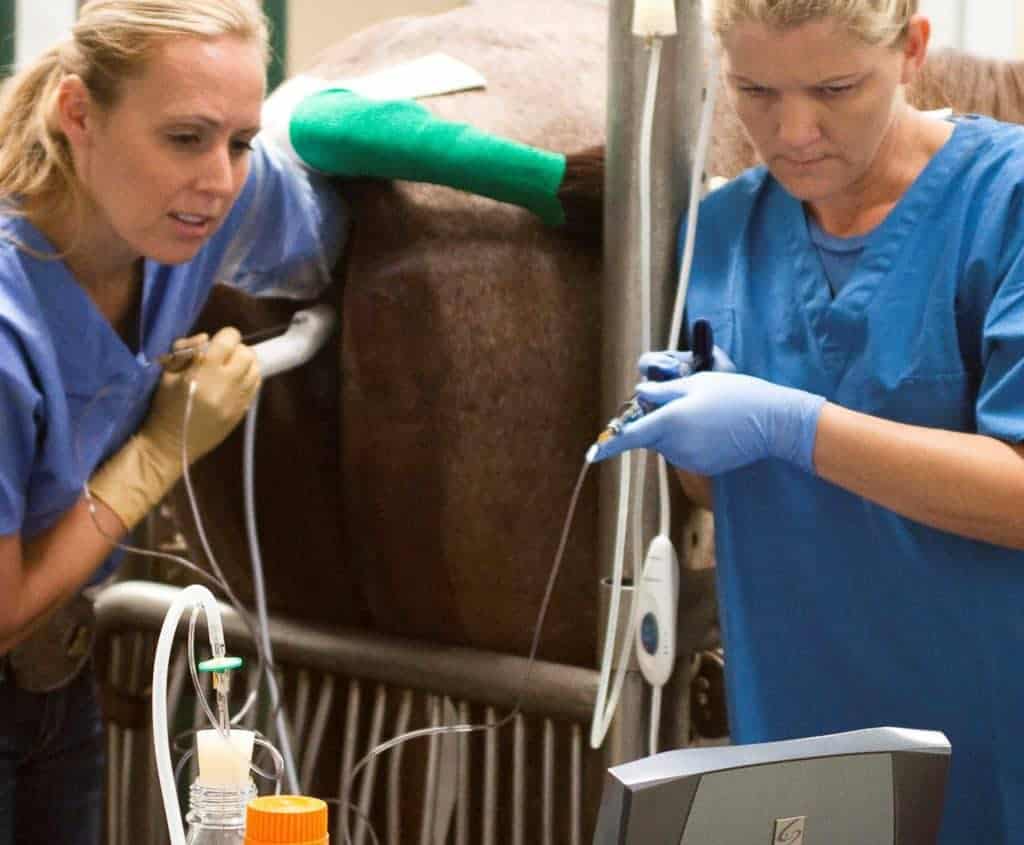
The technology behind equine embryo transfers means exciting assisted reproduction options are on the horizon.

Dr. Nancy Diehl addresses common behavior differences between mares and geldings and their causes.

Researchers identified specific genes that distinguish racing-type Quarter Horses from cutting-type Quarter Horses.
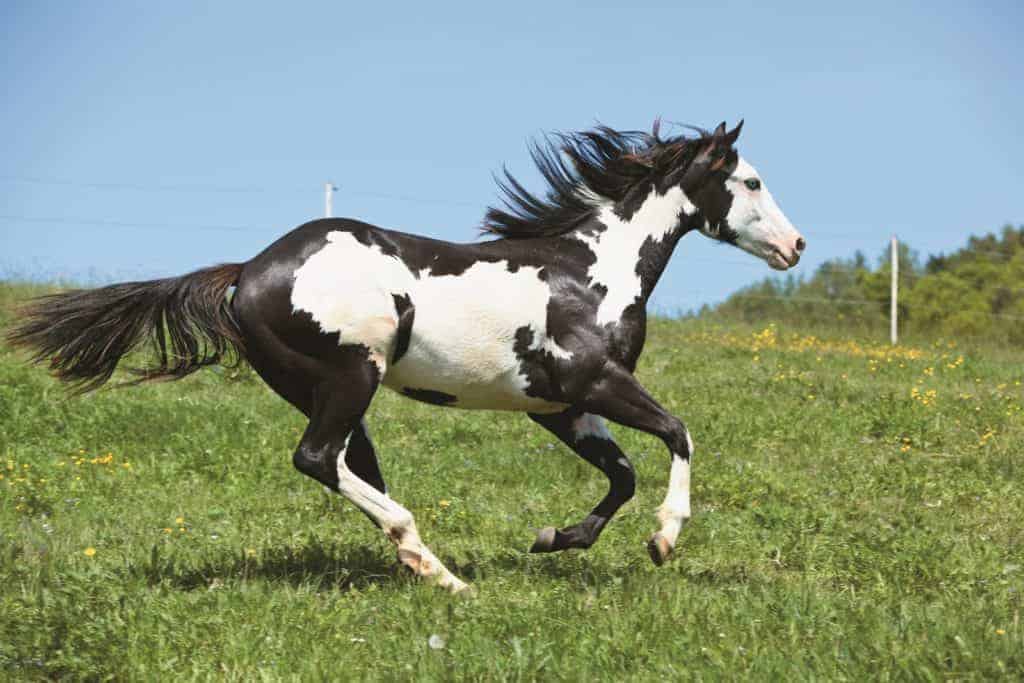
By knowing what conditions certain horses are predisposed to, owners and breeders can take preventive steps.

From physical restraint to pharmaceutical intervention, learn how veterinarians manage this uncommon phenomenon.