‘Motivator Gene’ Linked to Horses and Their Race Careers
The role of a behavior-related gene might explain why some Thoroughbreds start race careers while others don’t, researchers say.

The role of a behavior-related gene might explain why some Thoroughbreds start race careers while others don’t, researchers say.

While a limited gene pool hasn’t put Japanese Thoroughbreds at risk of losing genetic diversity, selective breeding and low foal numbers have, researchers in that country say. Here’s why.
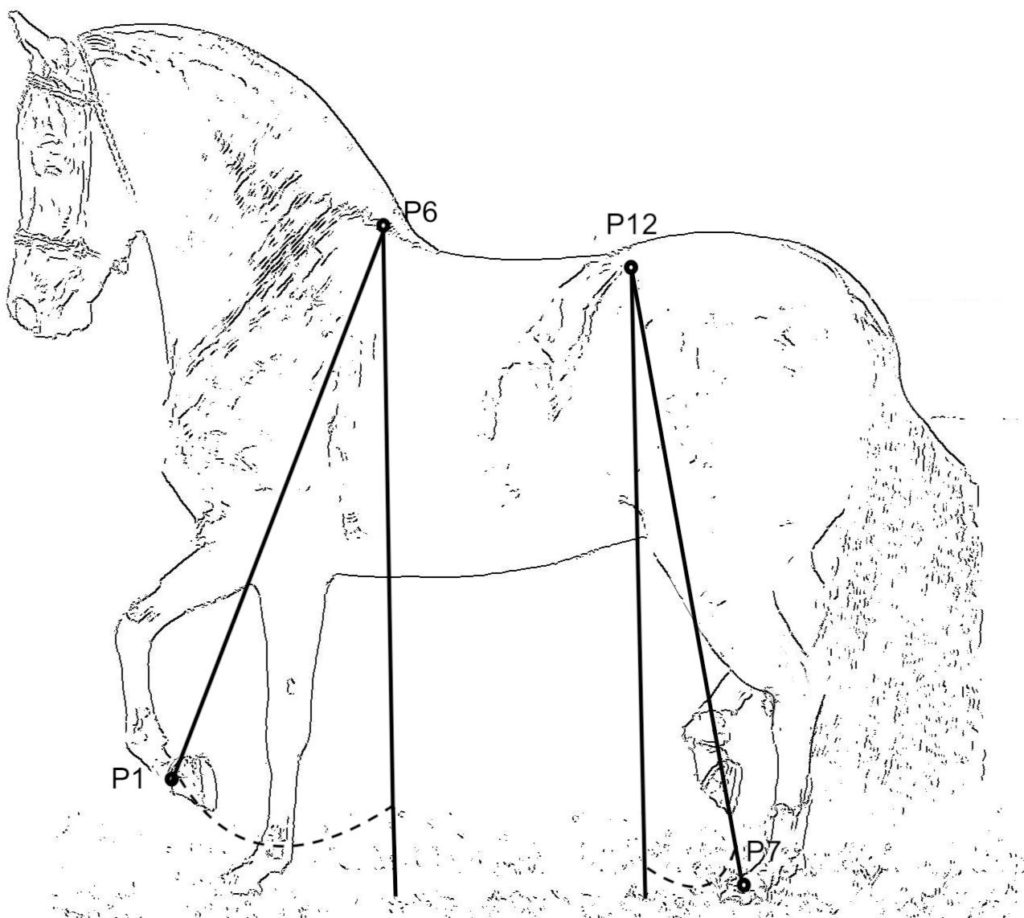
Colombian Paso Finos have a unique gait most other Paso Finos don’t: the trocha. And recent study results suggest that gait isn’t genetically similar to lateral gaits in other ambling breeds like Icelandics, Tennessee Walking Horses, and pacers.

Dr. Ted Kalbfleisch’s work at the UK Gluck Equine Research Center will focus on a secondary analysis of equid genomes and transcriptomes.
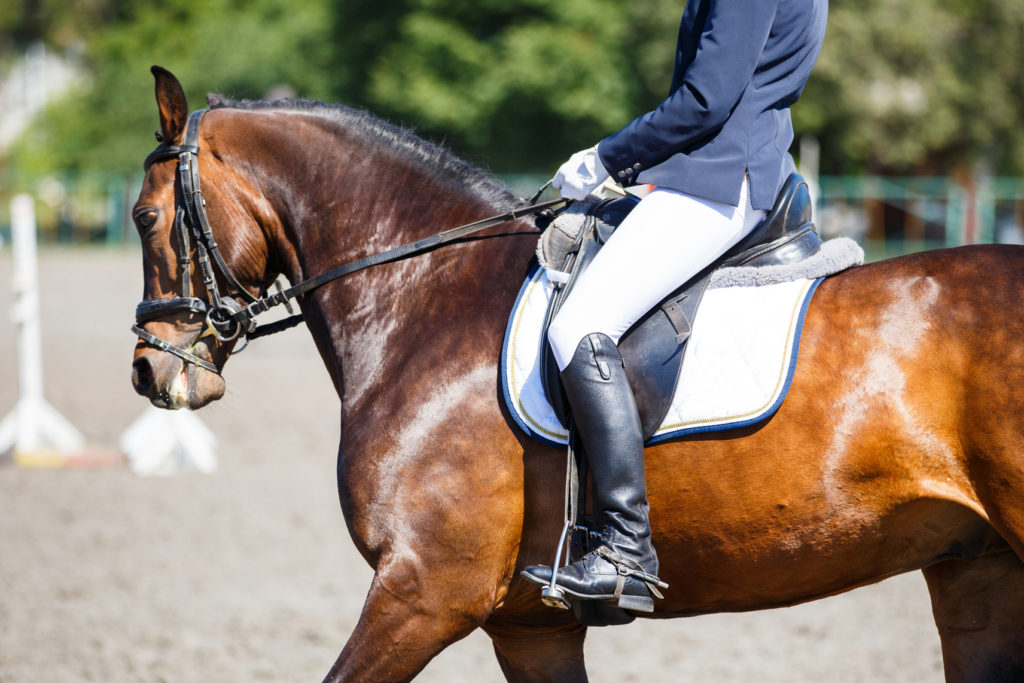
Researchers recently identified the genetics behind some equine joint angles, which, they say, can impair equine performance, health, and welfare. Here’s how.
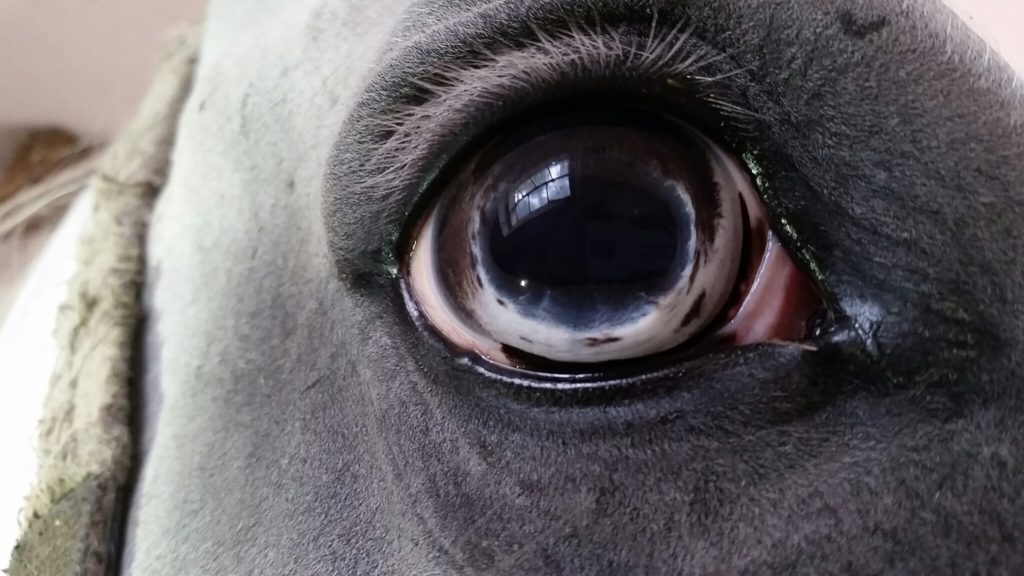
Horses of some breeds with limited gene pools are at risk of developing health issues due to inbreeding. But researchers found that this isn’t the case when it comes to eye problems in a 400-year-old Czech breed, researchers say.

Researchers identified three ways to help improve pregnancy and foaling rates: breeding mares multiple times in a season, inseminating close to ovulation, and choosing a stallion with progressively motile sperm.
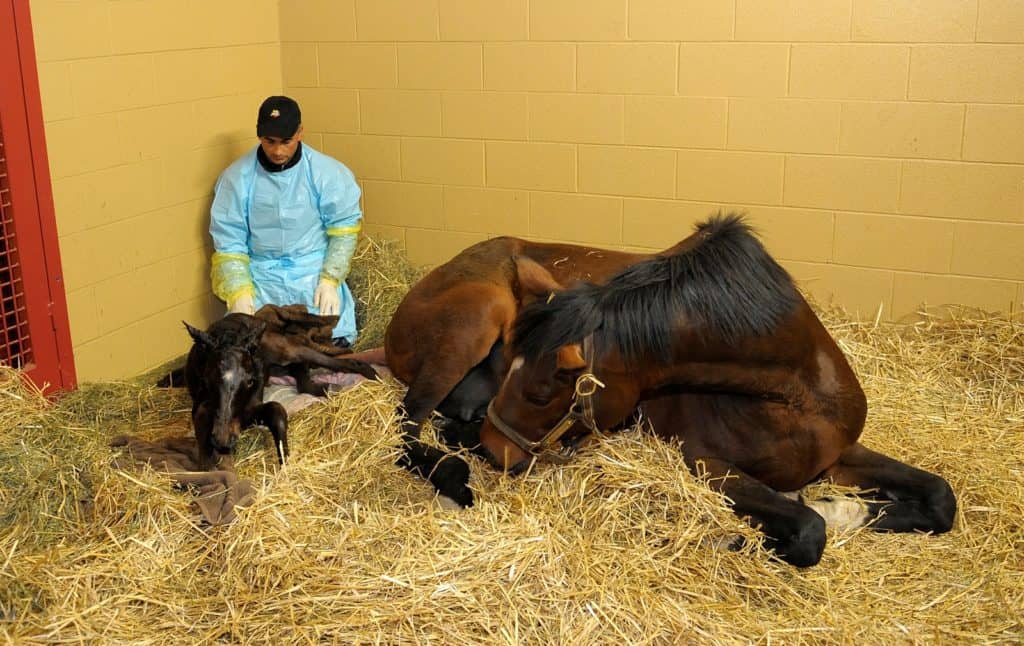
Regardless of whether they’ll one day achieve Triple Crown glory or never make a start on the track, foals bred to be racehorses follow a similar path at the start of their lives. Here’s a look at how many Thoroughbreds begin their journeys.

Proper nutrition is critical for growth and development. Learn the right way to feed your foal.
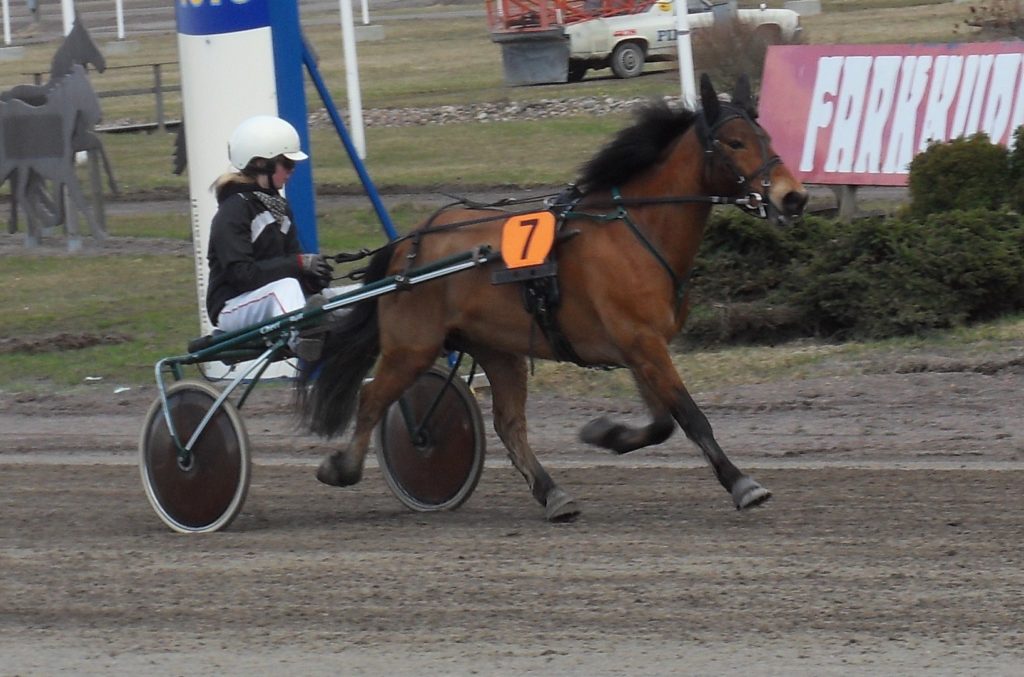
A genetic study of Norwegian-Swedish Coldblooded Trotter harness racehorses revealed eight major genes likely related to their success on the track, some of which drive the horses’ abilities to learn and remember.

Orphan foals raised with a correct balance of nutrients and monitored for growth, food consumption, and weight gain can be every bit as tall, strong, and athletic as foals raised by their dams.

Is there any proof than chestnuts are more hot-blooded than horses of different colors? An equine behaviorist weighs in.

The transitional period between anestrus and estrus is officially complete once a mare has had her first heat of the year. Getting some mares to this point, however, and deciding when to breed them can be tricky.

Scientists categorize dwarfism in horses as being either proportional or disproportional, but both types are caused by genetic mutations.
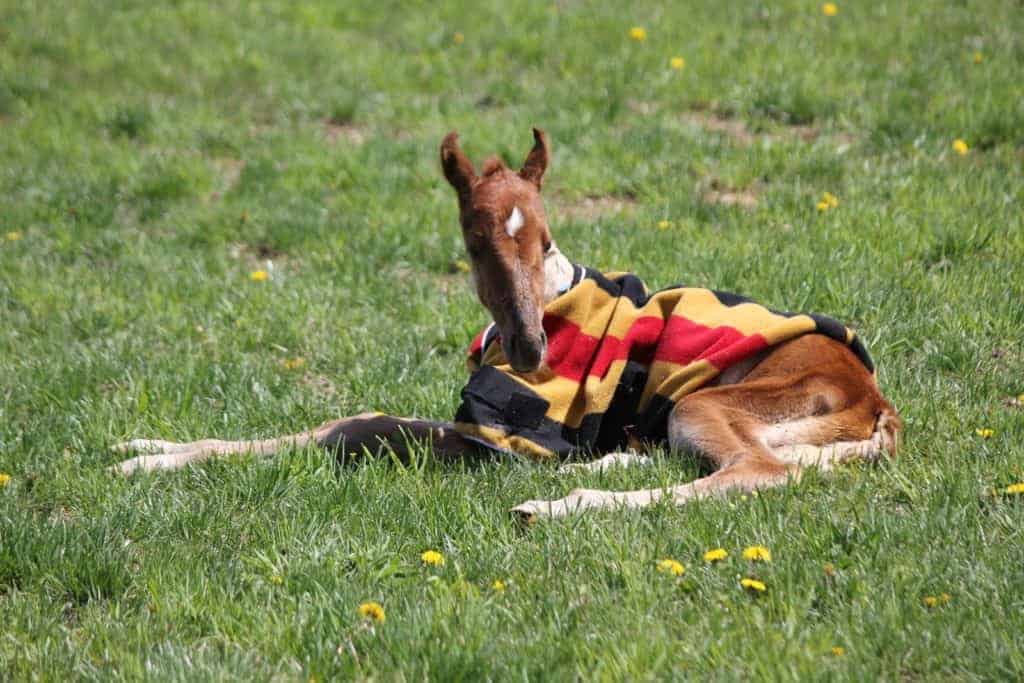
Your horse needs a strong immune system to stand up to the challenges that come with living outdoors, commingling with other equids, and more. Critical to that immune system are infection-fighting proteins called antibodies (immunoglobulin G, or IgG). How much do you know about your horse’s IgG levels?

Learn about what vaccines a broodmare should receive during gestation and why vaccinating mares is important for their foals from equine repro expert Dr. Ryan Ferris.