UK Seminar Series Kicks Off Jan. 30
On Jan. 30, two speakers will discuss inflammatory airway disease.

On Jan. 30, two speakers will discuss inflammatory airway disease.
Researchers are observing an increasing trend of positive cases submitted in 2013 as compared to recent years.
Short course topics include, stallion handling, horse behavior, and mare and foal management.

Study results suggest that in some cases veterinarians can begin vaccinating foals sooner than once thought.

Proper preparation can minimize the stress of weaning and make for a more pleasant experience for all.

Attendees discussed “dummy” foals, gastric acid suppressant use, and resuscitating foals, among other topics.

There is no specific formula for estimating foals’ mature size that works in all instances.

The events will feature lectures on university programs, equine reproduction, and horse management issues.

Two veterinarians describe recent equine reproduction studies they found interesting and influential.
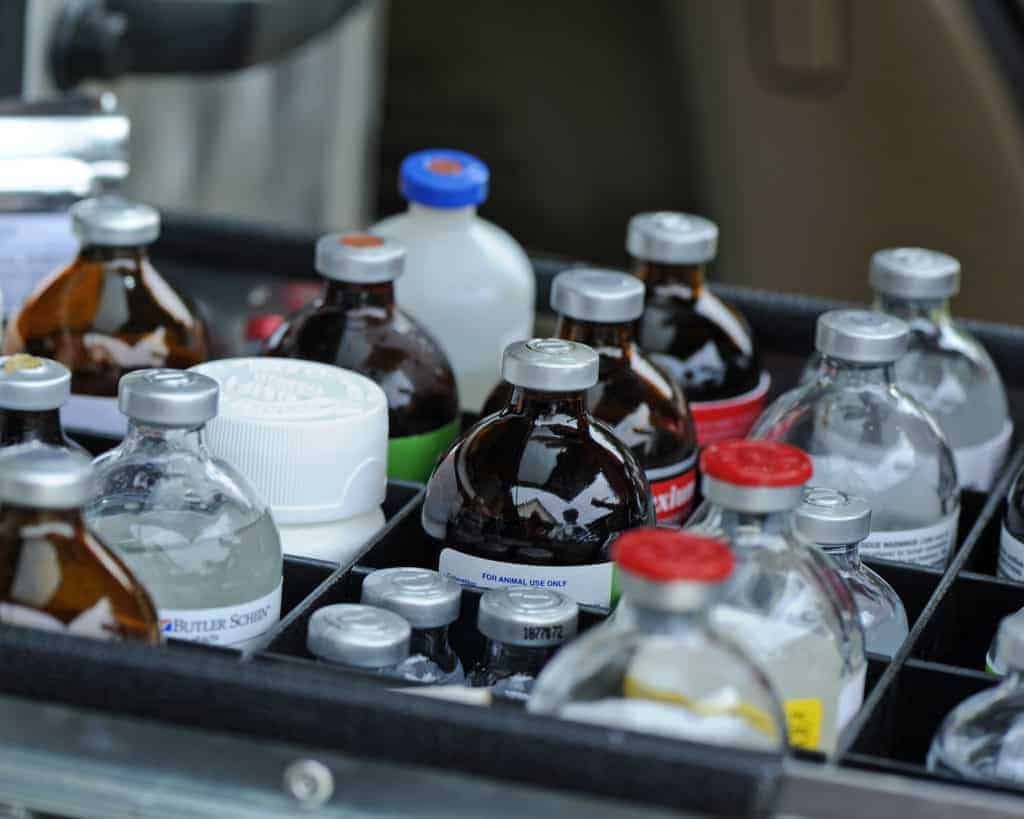
Learn how vets can treat sick foals effectively without adding to the antibiotic-resistant bacteria problem.

Times are changing when it comes to parasite control. Learn how to control parasites in broodmares and foals.
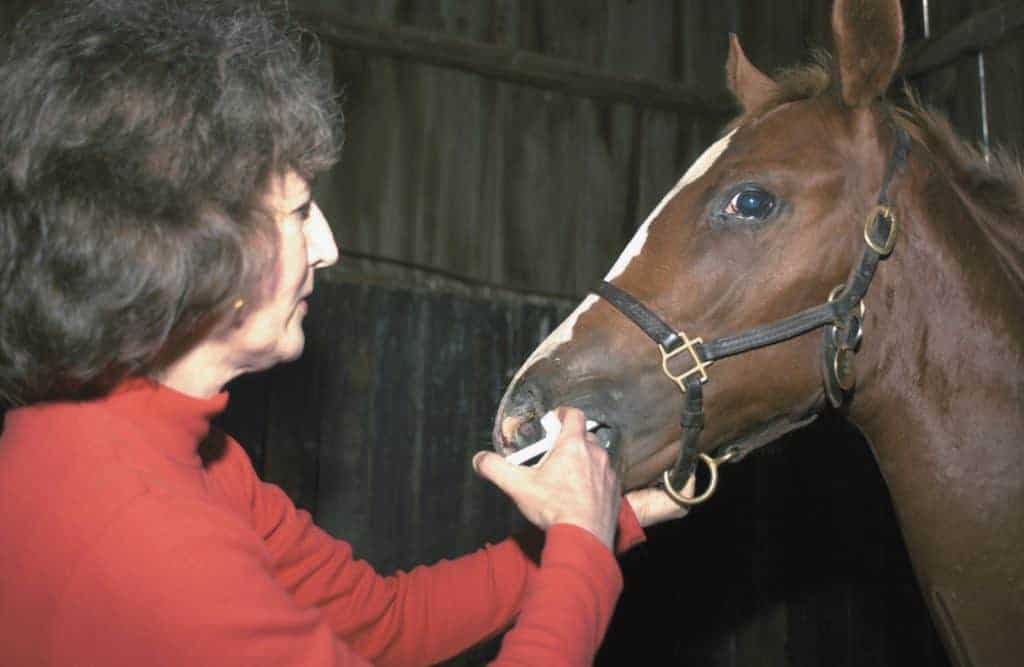
Foals are more susceptible to parasite infection and have an elevated risk for developing disease.
Is it possible for young horses that aren’t in training to get stomach ulcers?

Reduced interferon-gamma production is associated with increased risk for intracellular bacterial infections.
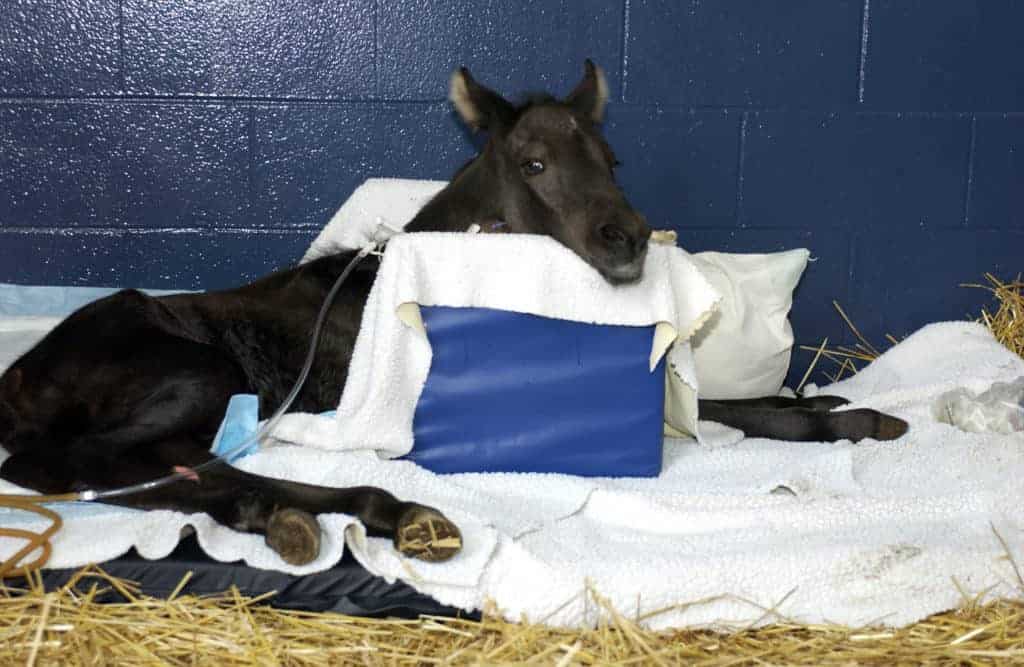
Dr. Chris Sanchez reviews recent top research papers published focusing on foal health.

Research shows that many radiographic findings in weanlings can change–usually for the better–within a year.