The Faces of Endometritis
Endometritis is inflammation of the endometrium, or uterine lining.

Endometritis is inflammation of the endometrium, or uterine lining.

The buffered chelators had no deleterious effects on the endometrium or the establishment of pregnancy.
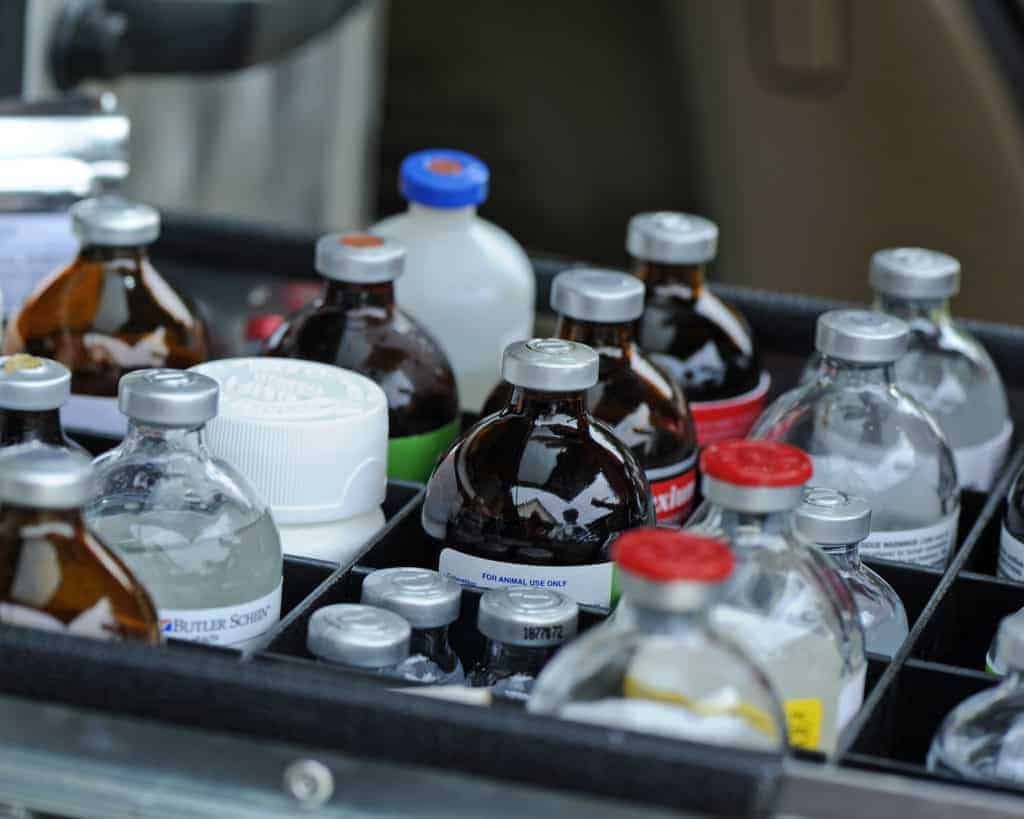
Ensure a bacterial infection that will respond to antibiotics is actually present before beginning treatment.
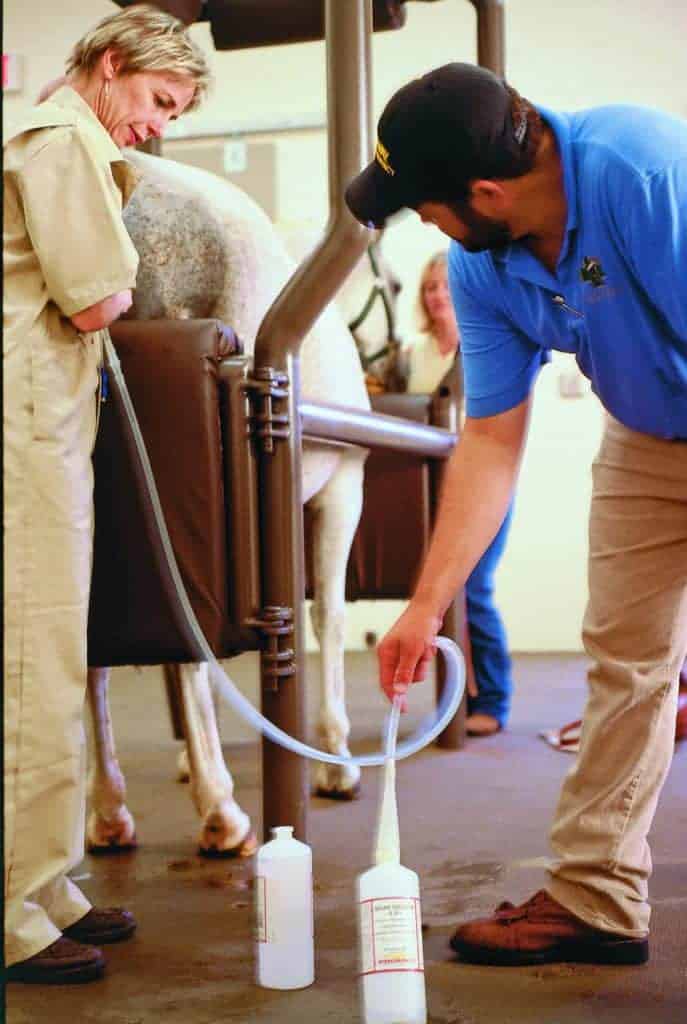
In some mares chronic uterine inflammation is a persistent problem that can interfere with pregnancy.
Mette Christoffersen, DVM, and Morten Petersen, PhD, DVM, Dipl. ACT, both from the University of Copenhagen, and Pauline Peugent, a French student working on her master’s degree, have spent several months in Lexington researching equine reproduction.
Non-steroidal anti-inflammatory drugs could assist vets managing persistent mating-induced endometritis (PMIE), a chronic inflammation of the lining of the uterine wall after breeding or artificial insemination, a leading cause of reduced ferti
The mare’s reproductive tract is similar to the respiratory tract in that both have mucosal immune systems. In both areas, the mucosal immune system is capable of producing excessive quantities of mucus when persistently irritated. Robert C.
Success when breeding older maiden mares depends on the management of several factors
One of the biggest challenges in successful equine reproduction is uterine inflammation. Increased inflammation can destroy spermatozoa before they have a chance to fertilize the egg, and it can create a hostile environment that kills an embryo.
When a mare is bred by natural cover, the uterine lining, or endometrium, becomes inflamed. The stallion deposits semen in the uterus, as well as bacteria, bits of debris, and seminal fluid. The normally sterile uterus becomes irritated and
Testing innovative techniques and brushing up on common procedures are the lifeblood of advancing any medical specialty, and the field of equine reproduction is no exception. Veterinarians are always looking for new ways to improve procedures they
Endometritis has been the bane of many broodmares and their owners through the years. It frequently has been blamed for mares not becoming pregnant and, when they do conceive, for early embryonic death. The result has been serious economic losses
Modern breeding management and assisted reproduction might actually exacerbate the issue of mating-induced endometritis, according to Mats Troedsson, DVM, PhD, Dipl. ACT, a professor of equine theriogenology in the Department of Large Animal Clinical
“Post-breeding endometritis is a major cause of subfertility, affecting approximately 15% of mares,” said John Steiner, DVM, Dipl. ACT, of Hagyard Equine Medical Institute. “We know it’s a big problem, so we’ve tried an adjunct treatment to see
A compounded drug has shown considerable promise in treating anestrus mares–those that are not cycling and thus are difficult to impregnate. Walter Zent, DVM, of Hagyard Equine Medical Institute, described his experience using Buserelin in mare
The annual conference of the Society for Theriogenology (SFT) was held Aug. 22-26 in St. Paul, Minn. Scientists and clinicians specializing in reproduction shared new research and updated views on many topics during the conference. Following are