How is a Caslick’s Procedure Supposed to be Done in a Mare?
A reader seeks answers about a Caslick’s procedure and how the area should be opened prior to foaling.

A reader seeks answers about a Caslick’s procedure and how the area should be opened prior to foaling.

Summer is peak season for horse shows and events, and Colorado State University (CSU) veterinarians remind riders that it’s important if traveling to take steps to help prevent the spread of equine infectious disease.

Researchers implanted embryos from ponies, saddle horses, and draft horses into surrogate mares of different sizes and observed significant differences in weight, height, and metabolic markers among the resulting genetic half-siblings

Dr. Cynthia Gaskill of the University of Kentucky’s Veterinary Diagnostic Lab shares important things mare owners need to know about fescue toxicosis.
All contagious equine metritis (CEM) samples should be collected by a veterinarian and in accordance with United States Department of Agriculture protocol.

Researchers investigated whether antibiotics in a semen extender could inhibit the growth of CEM’s causative bacteria.

To a newborn foal, colostrum can mean the difference between life and death.
What impact can a mare going through her “foal heat” have on her foal? Dr. Wendy Vaala responds. This podcast is from the Equine Life Stages: Foals Q&A audio event.
How often should you check on a broodmare to see if she’s in labor? Dr. Wendy Vaala answers in this podcast is from the Equine Life Stages: Foals Q&A audio event.

Researchers believe that estrogens could prove to be a useful early indicator of placentitis in the future.

As EHV gains worldwide significance, researchers are seeking a better understanding of the disease.

Recent work demonstrates that endophyte-infected fescue can cause vasoconstriction in the legs and reduced blood flow to reproductive organs in mares.
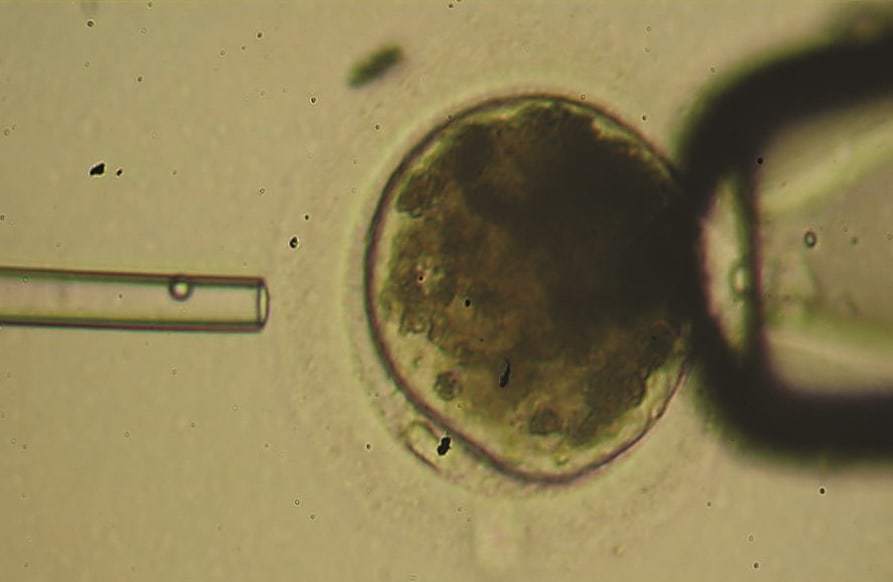
Researchers evaluated the effect of shipping mares’ oocytes (egg cells) on eventual fertilization rate.

Two barns at Parx Racing have been quarantined after a horse tested positive for equine herpesvirus-1 (EHV-1).

Thirteen horses on the property had been affected by neurologic EHV-1. Of those, seven have been euthanized.

A broodmare’s belly grows as her fetus matures, but any rapid or unexpected expansion is cause for concern.