AVMA Honors UK Veterinarian
Craig N. Carter, DVM, PhD, Dipl. ACVPM, received a prestigious award at the 2011 AVMA Convention.

Craig N. Carter, DVM, PhD, Dipl. ACVPM, received a prestigious award at the 2011 AVMA Convention.
Neurologist Amy Johnson, DVM, Dipl. ACVIM, was recently appointed to the faculty of New Bolton Center.
A stallion in Arizona has tested positive for contagious equine metrititis (CEM), a sexually transmitted …

The most common equine respiratory disease signs were nasal discharge, fever, depression, and coughing.
Why should foals eating feces be classed as normal behavior when the foal is obviously lacking some nutrient?
The APHA has introduced the University of California, Davis, as its official genetic testing provider.
Erdal Erol, DVM, MS, PHD, gave a lecture titled “Current microbiological methods for equine abortion diagnoses
Study revealed that exposure equine proliferativ enteropathy’s causative bacterium can continue into March…

Grade horses provide a great pool of genetic variation and generally lack many of the genetic diseases that currently can afflict purebreds.

Adjusting what a horse consumes can help prevent or squelch some equine ailments.

The 2011 Thoroughbred Pedigree, Genetics, and Performance Conference will be held Sept. 7-8 in Lexington, Ky.,

In the last two months of a high-risk pregnancy, this technique can help determine whether the unborn foal is healthy.
A stallion, several mares, and a foal have tested positive for equine viral arteritis at two French Lusitano
The International Collating Center, Newmarket, United Kingdom, and other sources reported the following
Utah State Veterinarian Bruce King, DVM, has officially released from restriction all previously quarantined
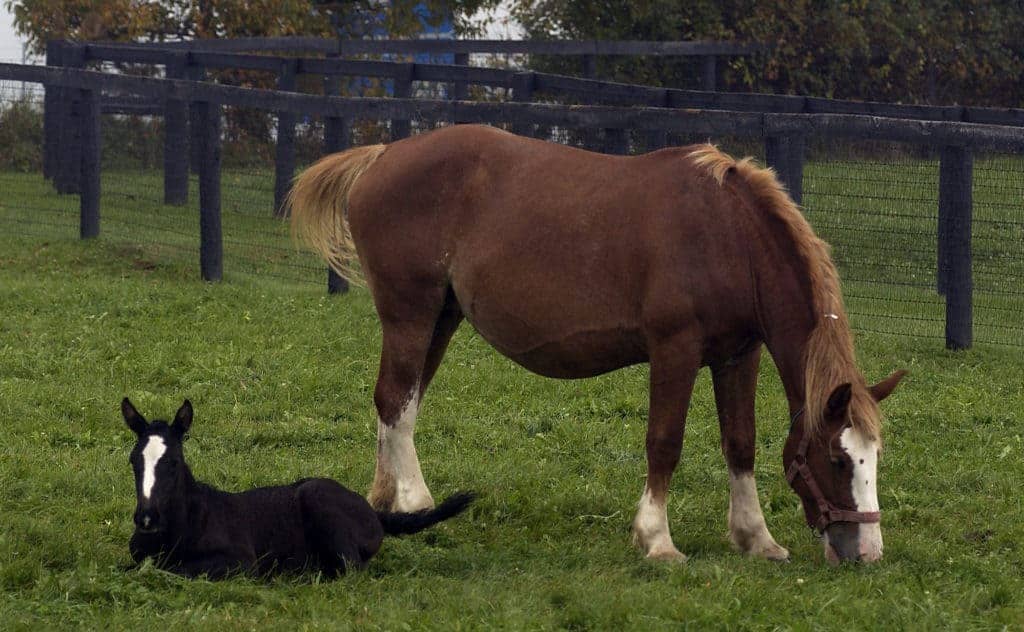
One of the most dangerous organisms that can sicken horses is the bacterium Clostridium difficile.