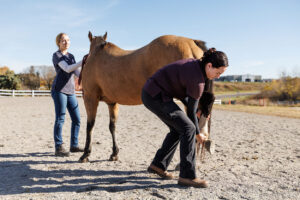
Congenital Flexural Limb Deformities in Foals
University of Kentucky researchers examine the genetics of congenital flexural limb deformities in foals.

University of Kentucky researchers examine the genetics of congenital flexural limb deformities in foals.

Special considerations should be made when evaluating a colicky foal as opposed to an adult horse.
Dr. Sue McDonnell answers a reader’s quesion about foal imprint training.
A 15-year-old Oldenburg mare from Sonoma County tested positive for neurologic EHV-1 on Aug. 23.
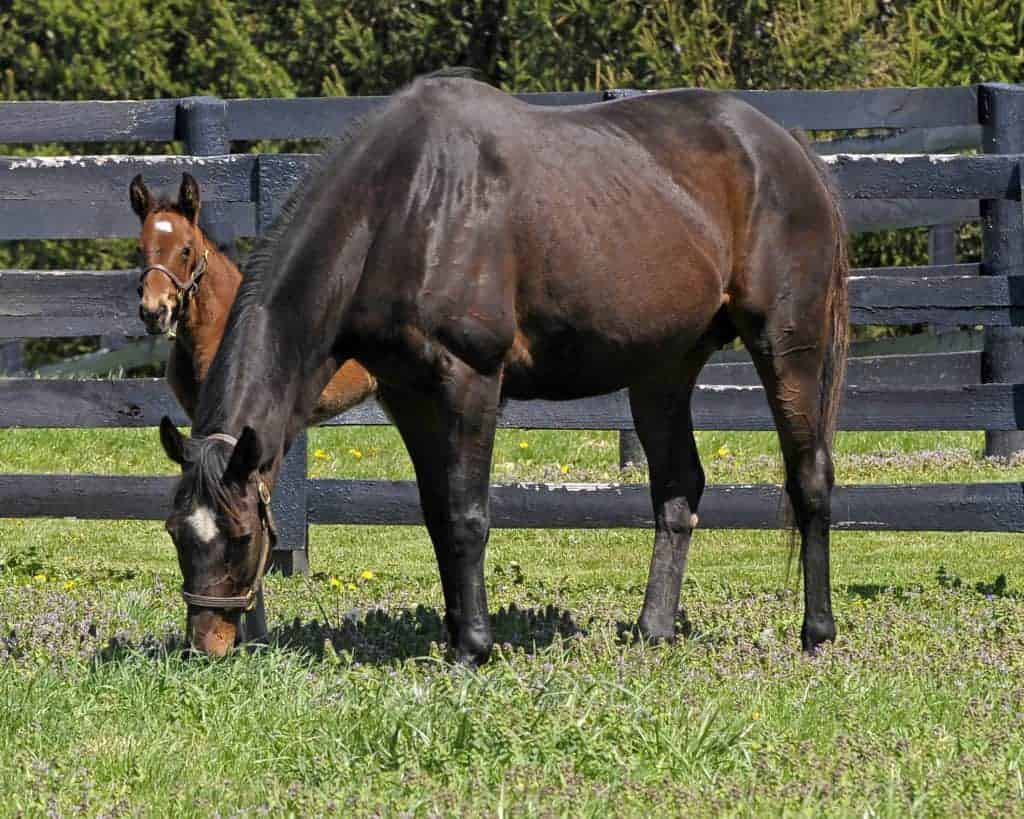
Tall fescue produces a toxic alkaloid that causes disorders in broodmares that consume the forage.
Gluck faculty members will speak at the 2011 Thoroughbred Pedigree, Genetics, and Performance Conference.
Researchers are working to understand the link between the myostatin gene and Thoroughbreds’ racing potential.
Researchers from Inner Mongolia Agricultural University and BGI have sequenced the Mongolian horse genome.
Foals are small enough to fit in the gantry of a CT machine, which is helpful in assessing lung disease.

The neurologic form of EHV-1 is highly contagious in horses and multiplies within its host very rapidly.
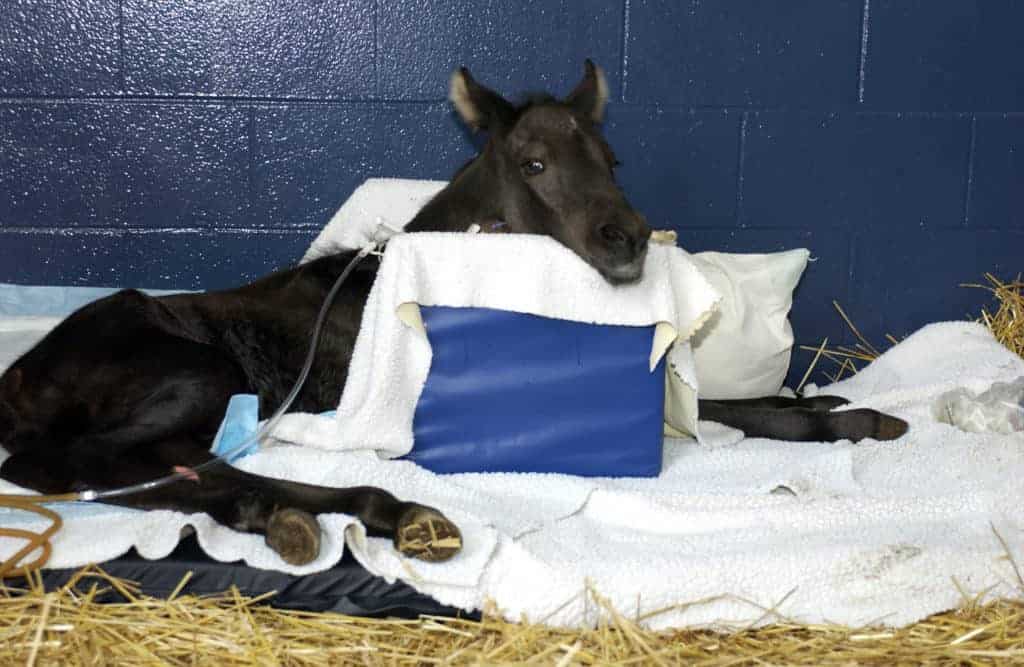
Meconium impaction, ulcers, diarrhea, and other GI problems can arise in foals.
Craig N. Carter, DVM, PhD, Dipl. ACVPM, received a prestigious award at the 2011 AVMA Convention.
Neurologist Amy Johnson, DVM, Dipl. ACVIM, was recently appointed to the faculty of New Bolton Center.

The most common equine respiratory disease signs were nasal discharge, fever, depression, and coughing.
A stallion in Arizona has tested positive for contagious equine metrititis (CEM), a sexually transmitted …
Why should foals eating feces be classed as normal behavior when the foal is obviously lacking some nutrient?