Breeding Mares Early in Life Might Lead to Early Fertility Decline
Study: A broodmare’s fertility appears to decrease slowly over the years, on a downhill slope that follows her number of breeding years, and not just her age.

Study: A broodmare’s fertility appears to decrease slowly over the years, on a downhill slope that follows her number of breeding years, and not just her age.

The Horse: Your Guide to Equine Health Care and Butterfly Network have partnered to bring our audience educational content about equine pregnancy during the week of Dec. 13.
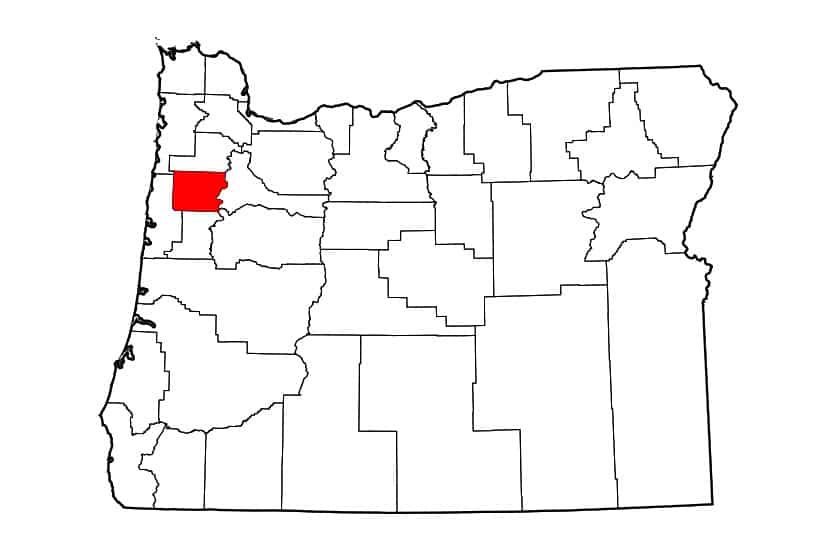
Both affected equids reside at an Oregon rescue facility where 29 more equids were exposed.

Two of the four affected horses have been euthanized.

The horse’s facility is under voluntary quarantine following the positive test.

Six outbreaks of CEM, an internationally reportable disease, have occurred in the United States in the past 15 years.

Here’s how to tell whether a broodmare is going into labor or experiencing colic-associated pain.

Two important bacteria cause lung infections in foals; here’s how the body and your vet battle these pathogens.

Rhodococcus equi can cause significant economic losses, but researchers are still working to understand how and why it develops and how to prevent it.

Providing a balanced diet that meets your horse’s nutritional needs and being aware of possible shortcomings are vital for his care. Read about seven aspects of your horse’s diet that might not be up to par.

Seven emerging researchers will receive awards to support clinical advances in equine medicine.

Study: Horses’ arteries grow thicker and harden with age, making them more prone to rupture.

A 10-day-old foal in Switzerland became the world’s first horse to undergo successful balloon valvuloplasty to correct a faulty pulmonary artery valve.

While successful embryo transfer in donkeys is rare, a new technique created by Brazilian researchers resulted in two surrogate jennies giving birth to healthy donkey foals.
An equine surgeon has developed a successful method for gelding cryptorchids by accessing and removing the retained testicle through the navel.

The 2-year-old Quarter Horse had recently returned from a show in Fort Worth, Texas.