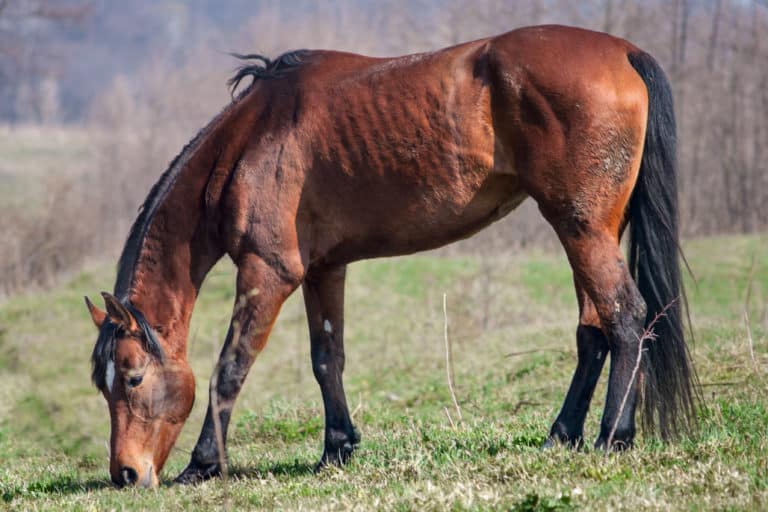
Remember: Lush Green Grass Could Be Harmful to Horses
Spring grass might be delicious for horses, but it can cause problems including laminitis and fescue toxicity.

Spring grass might be delicious for horses, but it can cause problems including laminitis and fescue toxicity.

The overall pregnancy rate in this study was 90% and, on average, mares got back in foal about 45 days after abortion.
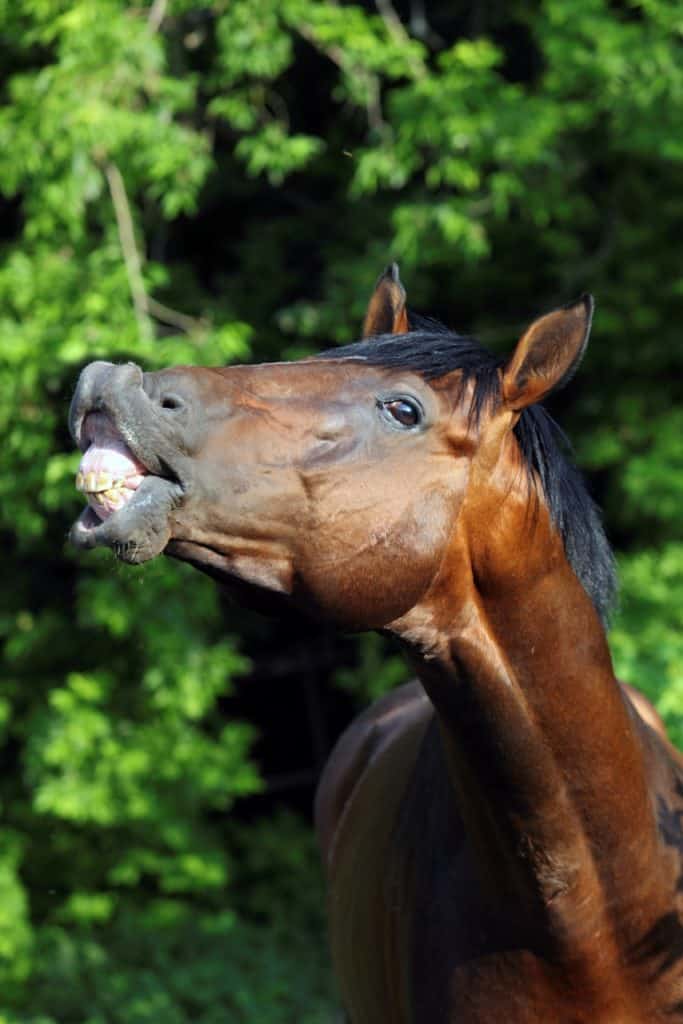
Study stallions bred quickest if they had the scent of urine from mares in heat on their nostrils.
The new measures come in response to a number equine herpesvirus-1 cases at nearby Parx Racing, in Pennsylvania.

What you need to know and expect when using this breeding method.

An equine behavior expert and veterinarian explains the role that genetics play in a horse’s behavior.

The champion Thoroughbred racing mare’s colt by War Front succumbed to meconium aspiration syndrome at 2 days of age.

As of April 10, four horses–including the index case–have died or been euthanized.

Chronically laminitic mares developed potentially detrimental changes in uterine blood flow during pregnancy.
Research topics include musculoskeletal and respiratory issues, parasites on stud farms, early pregnancy loss, and more.

Post-mortem exams are crucial to determine what caused the abortion. Here’s what your veterinarian will look for.

The rare condition–primary hypothyroidism–in mares could be behind a potentially deadly foal problem called CHDS.

Selective breeding could lead to horses more tailored for endurance and improve welfare and performance, scientists say.

The month of the year appears to have a significant impact on several parameters of collected semen in stallions.
Find out how light can impact a mares’s ovulatory cycles.

A horse previously stabled at Parx Racing tested positive for neurologic EHV-1 and was euthanized April 2.