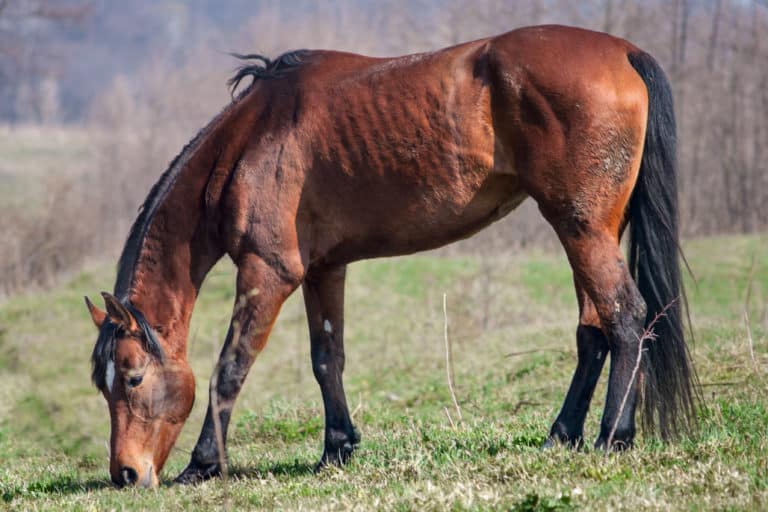
Equine Herpesvirus-Associated Ocular Disease
These viruses are known for causing respiratory, reproductive, and neurologic issues, but can also impact horses’ eyes.

These viruses are known for causing respiratory, reproductive, and neurologic issues, but can also impact horses’ eyes.
Confirmed diseases include vesicular stomatitis, EHV, influenza, Hendra virus, equine infectious anemia, and more.

One vet reviews the options practitioners have for determining prognosis and predicting survival for sick foals.
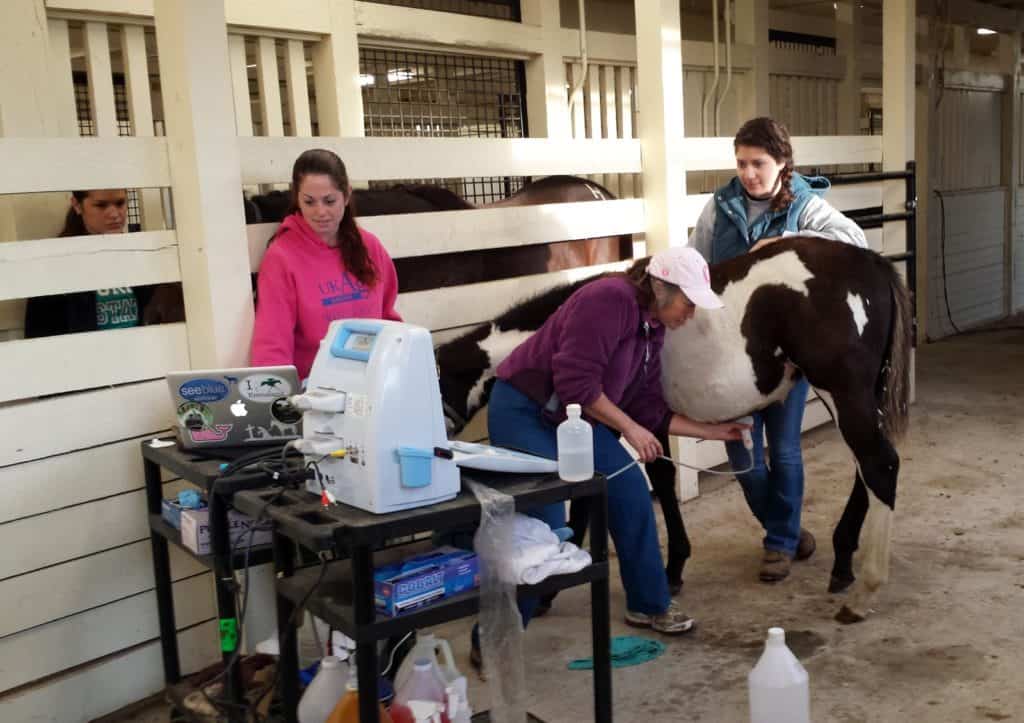
Researchers confirmed that transabdominal ultrasonography can reliably identify worm burdens of more than 10 ascarids.

Foaling rates one and two years after successful cyst removal via laser photoablation were 74% and 65%, respectively.

Smith’s research is focused on determining the dietary requirement for the amino acid threonine in growing horses.

MicroRNA, a small nonprotein coding gene, holds potential as a novel way to diagnose various diseases in the horse.
Seminar topics include imaging the equine neck, reproduction, and soft-tissue injuries in performance horses.

The 10th International Equine Infectious Diseases Conference will convene April 4-8 in Buenos Aires, Argentina.
The Fauquier County training facility was quarantined after a horse previously residing there tested positive for EHV-1.
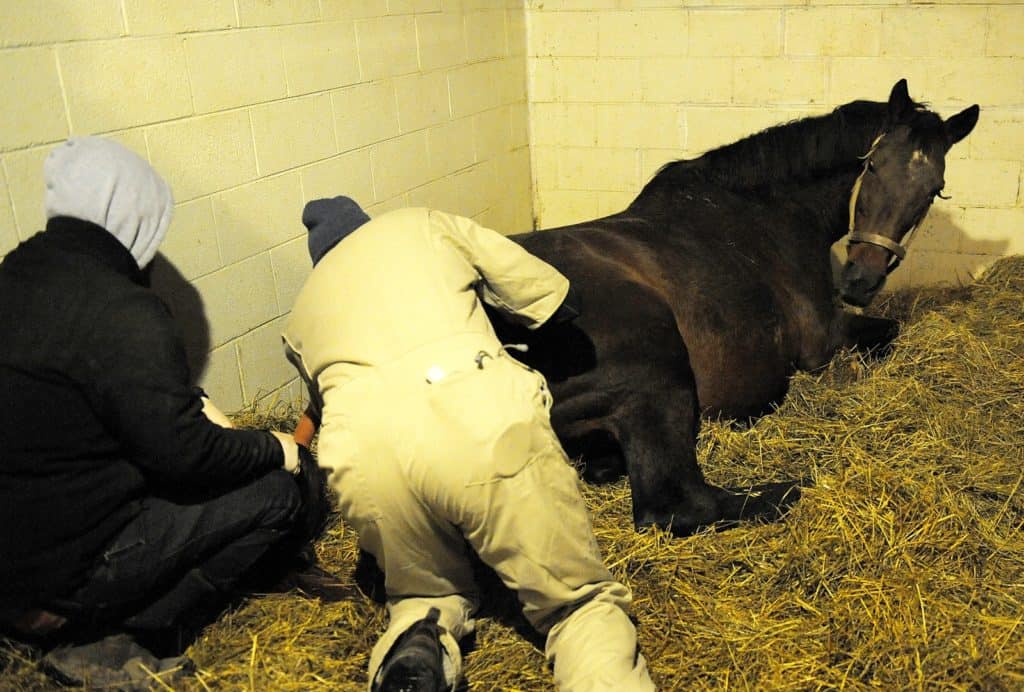
Eighty-one percent of mares survived with treatment and 77% of mares bred the subsequent year carried a foal to term.
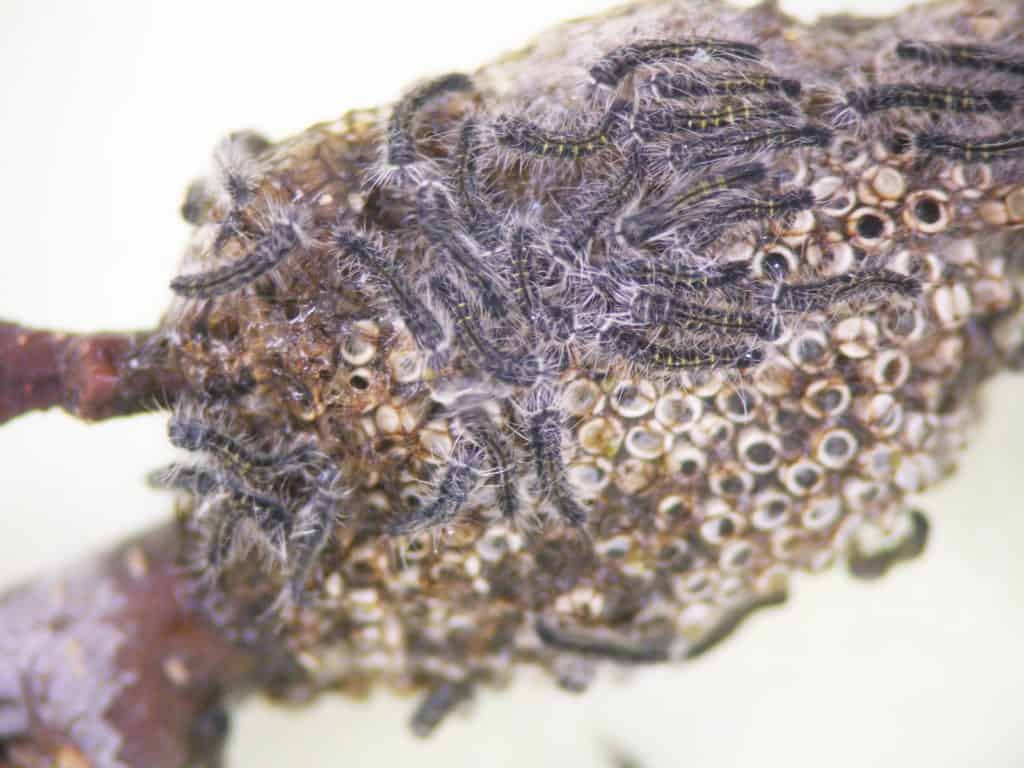
Eastern tent caterpillar consumption can cause late-term foal losses, early- and late-term fetal losses, and weak foals.

Nonlactating Thoroughbred mares perceived transrectal ultrasound exams as modest temporary stressors.

A boarding barn is voluntarily quarantined and the affected horse is isolated and receiving supportive care.
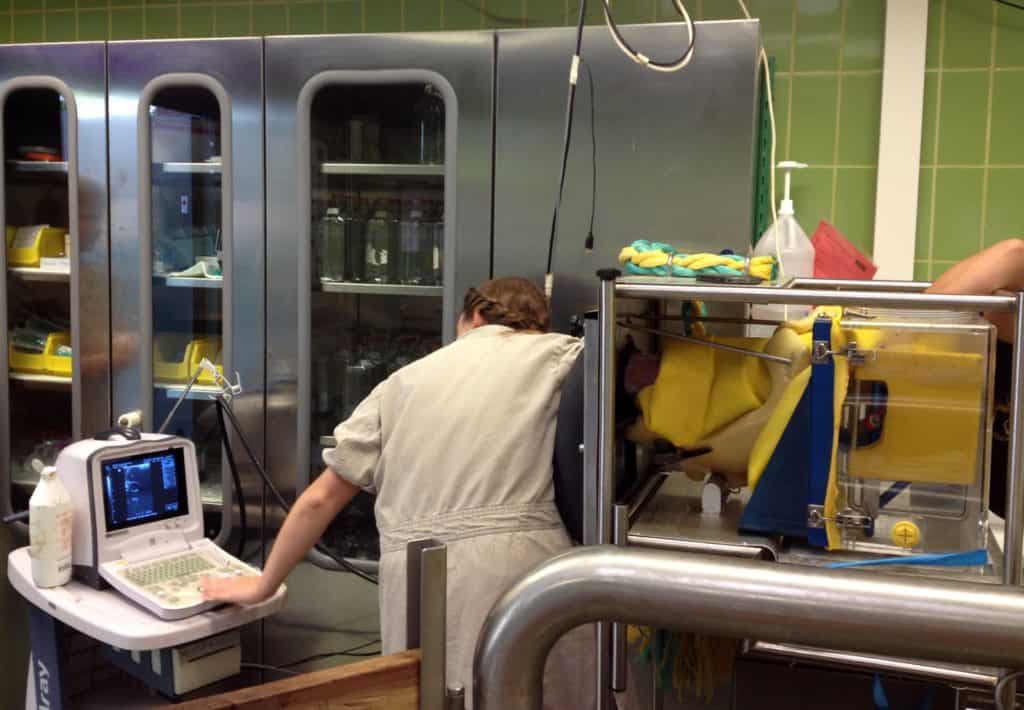
Researchers recently tested an equine gynecological exam simulator for its suitability in veterinary training programs.
The quarantine was put in place in late February after a horse residing there tested positive for equine herpesvirus-1.