Kentucky Equine Networking Association Returns Aug. 18
The Aug. 18 lecture topic will be “Biosecurity and Vaccination: Evaluating Flu and Herpes Risk.”

The Aug. 18 lecture topic will be “Biosecurity and Vaccination: Evaluating Flu and Herpes Risk.”

Fedorka’s research could, in the future, allow breeders to modulate post-breeding endometrial inflammation in mares.
The symposium featured research on equine nutrition, exercise physiology, reproduction, management, and more.

Tyzzer’s disease primarily affects foals’ livers, causing necrotizing hepatitis (liver disease).
Reported diseases include equine herpesvirus, strangles, equine viral arteritis, contagious equine metritis, and more

The horse is currently receiving veterinary care at a referral center.
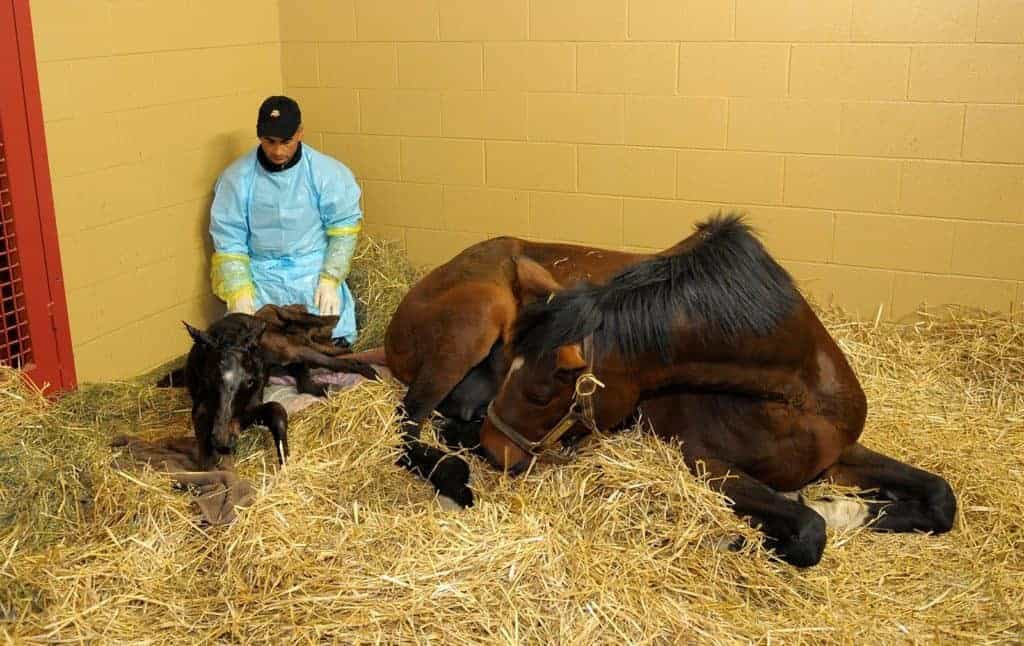
Retained placenta, lochiometra, and injuries to the perineum were the most common puerperal (after birthing) issues.

Researcher found that three commonly used macrolides suppressed foals’ normal sweat responses to varying degrees.

Researchers tried several methods by which to measure foals’ learning abilities with mixed results.

Animal health officials released the quarantines in San Joaquin and Riverside counties on June 30.
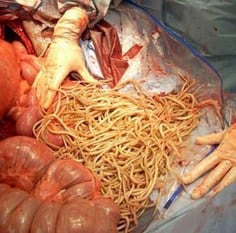
Ascarids can damage various body systems during the first 18 months of a horse’s life. Here’s how to protect your foal.
A wild foal found weak and underweight is recovering from several health problems with a veterinary team’s help.

Meanwhile, no additional equine herpesvirus-1 (EHV-1) cases have been reported in San Joaquin County.
Equids residing in Riverside and San Joaquin counties have tested positive for equine herpesvirus-1 (EHV-1).

While we can’t prevent all abortions, knowing the risks can help us prepare for and, in some cases, reduce the hazards.

The last reported positive, a 14-year old Quarter Horse, was released from the hospital and is quarantined at his home.