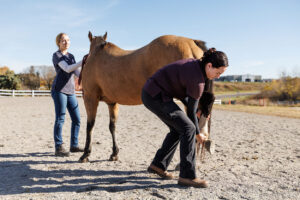
2016 UK Equine Showcase, Breeders’ Short Course Scheduled
Lecture topics will include mare, stallion, and foal care; navicular syndrome; the digestive tract; and more.

Lecture topics will include mare, stallion, and foal care; navicular syndrome; the digestive tract; and more.
Foal sitters assist veterinarians and staff with a variety of tasks in the neonatal intensive care unit.

Growing horses require specific nutrients, vitamins, and minerals to aid in proper development.
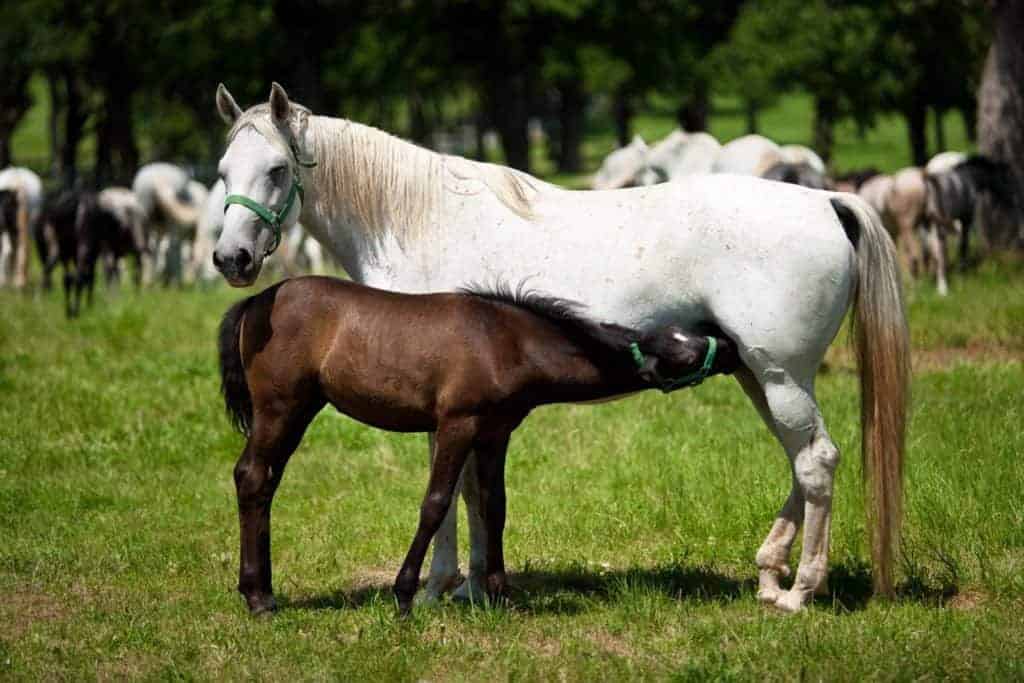
Researchers noted differences in the probability of producing a filly or colt based on the mares’ and stallions’ ages.

Scientists say the equine reproductive tract has undergone surprisingly little evolution over the past 48 million years.
Reported diseases include vesicular stomatitis, equine infectious anemia, strangles, influenza, herpesvirus, and more.
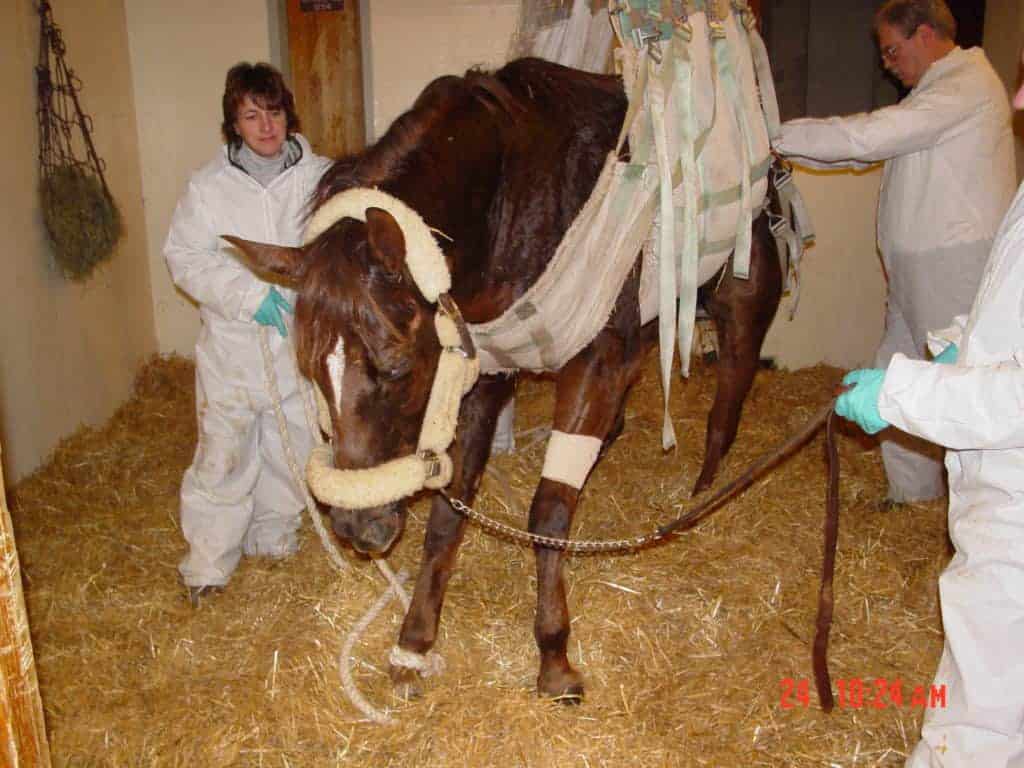
Learn how the respiratory, reproductive, and neurologic forms of equine herpesvirus-1 can impact your horse.
The USDA-approved vaccine prevents the disease responsible for foal abortion, kidney and liver failure, and uveitis.

Here’s how to help your horse make the switch from pasture to hay as easy and healthy as possible.
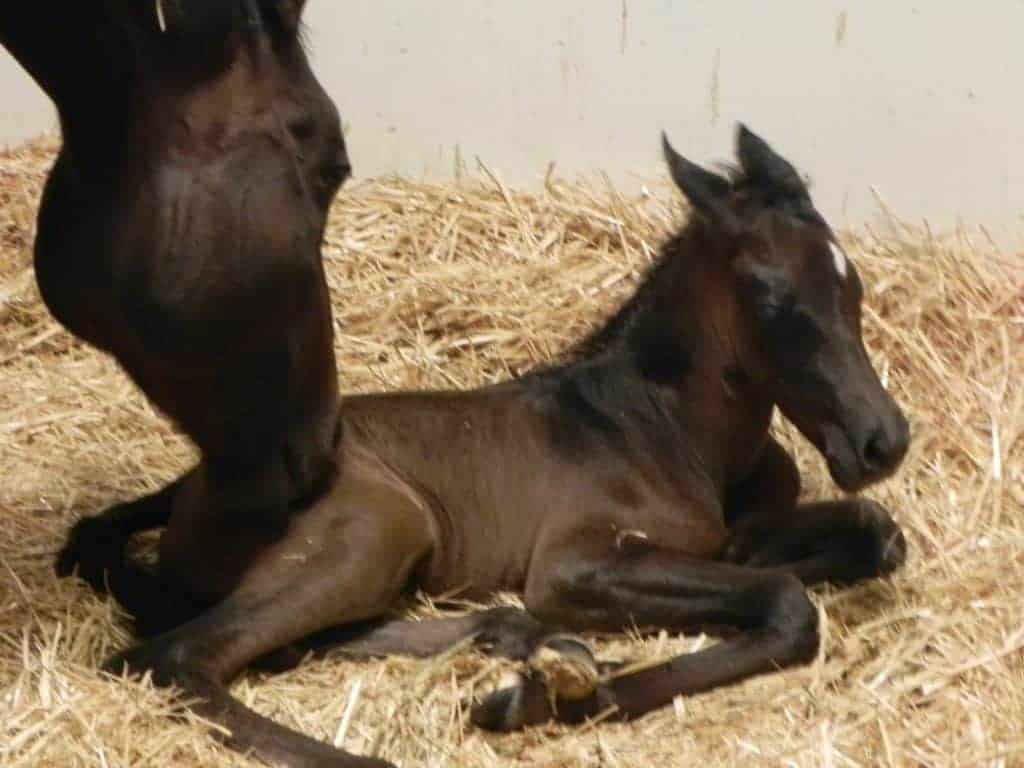
Lord Nelson, or “PICSI,” was the first foal produced via intracytoplasmic sperm injection to be born at UC Davis.
Sivinski studied muscle metabolism of horses at various stages of life and at different feeding stages.
The horse developed neurologic signs at the Minnesota State 4-H Horse Show and was euthanized Sept. 18.
The horse was euthanized Sept. 18 after developing neurologic signs. EHV-1 test results are expected this week.

Here are some steps breeders should take to help keep the United States free of contagious equine metritis (CEM).
Rutgers and University of Minnesota researchers are studying genetic factors underlying musculoskeletal diseases.

Care for horses under the age of 4 with their future health and performance in mind.