Researchers Study Light’s Impact on Young Thoroughbreds
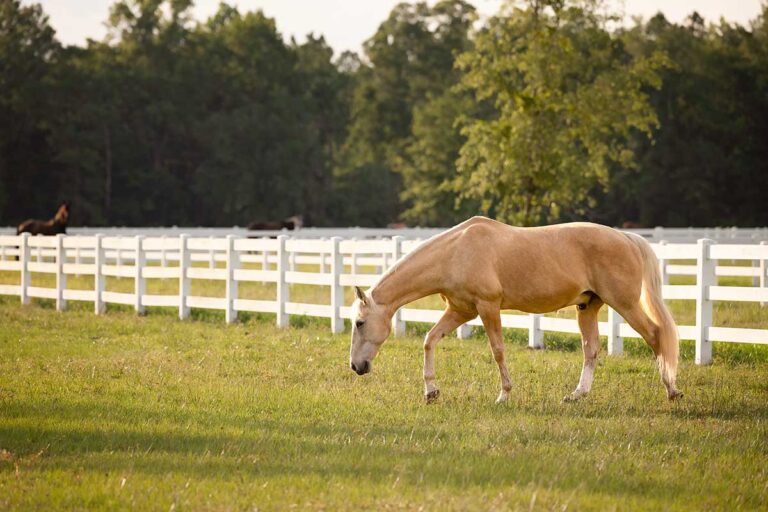
Longer light exposure appears to have numerous effects, from prompting coat shedding to increasing bone mineral density.

Longer light exposure appears to have numerous effects, from prompting coat shedding to increasing bone mineral density.

Learn about the steps vets and stallion managers can take to help improve the quality of cooled and frozen semen.

Understanding which factors hinder sperm production can help managers and vets take steps to help improve fertility.

Of the 457 poll respondents, 139 (30%) said they go to their equine veterinarian first for nutritional information.

The new procedures could make sterile mares with XY sex chromosomes easier and less expensive for breeders to detect.

Learn how to manage these challenging cases and improve the mare’s chance of producing a live foal.

Researchers say the uterine environment can significantly impact a foal’s future bone health, metabolism, and more.

All horses must be accompanied by documentation of equine influenza and herpesvirus vaccinations within six months.

From toxins and molds to opossum droppings and animal carcasses, forage can contain a variety of harmful contaminants.

Frozen semen offers many advantages, but it is important to understand that not all frozen semen is the same.
Lecture topics will include dystocia, care of a sick foal, and postpartum mare management.
The U.S. Fifth Circuit Court of Appeals sided with the AQHA in a long-running case involving the registration of clones.

Adding these supplements to stallions’ diets could help counteract the phenomenon of lower sperm quality in the winter.

Horses are a lot like preschoolers: gather them in groups and someone’s likely to get sick. Diseases like equine influenza, rhino, and strangles spread quickly through herds and, in some, they can turn serious fast. Learn how to protect your horse.
This finding is the first molecular characterization of resistance to three classes of antibiotics in R. equi.

Researchers observed a negative bias of block-colored and spotted horses, which could impact subjective evaluations.