Is Sustainability a Heritable Trait in Thoroughbreds?
While environmental factors, such as nutrition and training, shape sustainability, genetics influence it, as well.

While environmental factors, such as nutrition and training, shape sustainability, genetics influence it, as well.
The studies funded cover equine health challenges including infectious diseases, musculoskeletal disorders, and more.
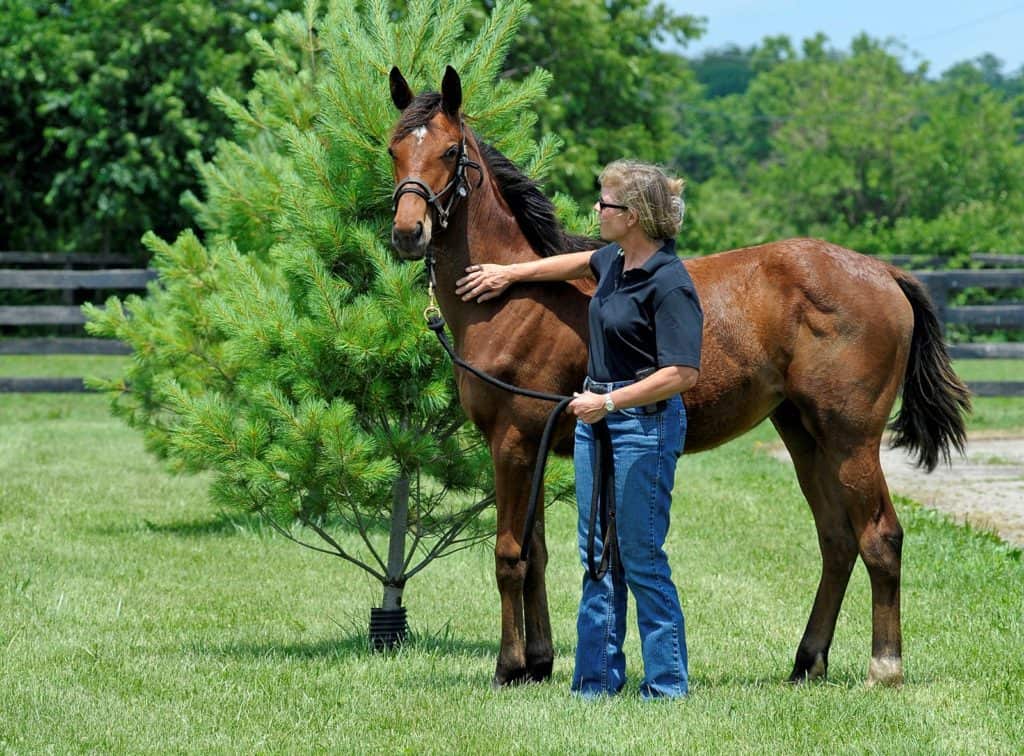
Of the 634 respondents, 531 (81%) said they have owned a horse 4 years old or younger.

The gelding was quarantined after testing positive for non-neuropathogenic EHV-1 earlier this month.

Many breeders opt for a combination of the available options to give themselves the best chance to accurately predict when a mare will foal.

This marks the first time such a connection has been made in any mammalian species.

The majority of respondents said they were somewhat or very confident in their horse’s nutrition program.

Heart rate variability gives a broader and possibly more accurate look at fetal well-being than heart rate alone.

Recent study results reveal why the dun pattern does not appear in many domestic horses.
Confirmed diseases include vesicular stomatitis, herpesvirus, influenza, Getah virus, and strangles, among others.

Three horses at a Bucks County farm have been euthanized due to neurologic equine herpesvirus-1 (EHV-1) infection.

This important protective system is extremely complex. Here’s a rundown of how your horse’s immune responses function.
Researchers recently diagnosed the first homozygous case of Warmblood fragile foal syndrome (WFFS), a genetic disorder.

Researchers found that older weanlings appear to be–and seem to stay–more dominant in the social hierarchy.

From vets stuck in city traffic to vexing ventilation issues, urban-dwelling horse owners deal with unique challenges.

You might be surprised to find out with this introduction to GMOs.