Laboratory Diagnosis of EHV-1
Dr. Udeni Balasuriya of the University of Kentucky’s Gluck Equine Research Center shares information about diagnosing equine herpesvirus-1 and interpreting test results.

Dr. Udeni Balasuriya of the University of Kentucky’s Gluck Equine Research Center shares information about diagnosing equine herpesvirus-1 and interpreting test results.
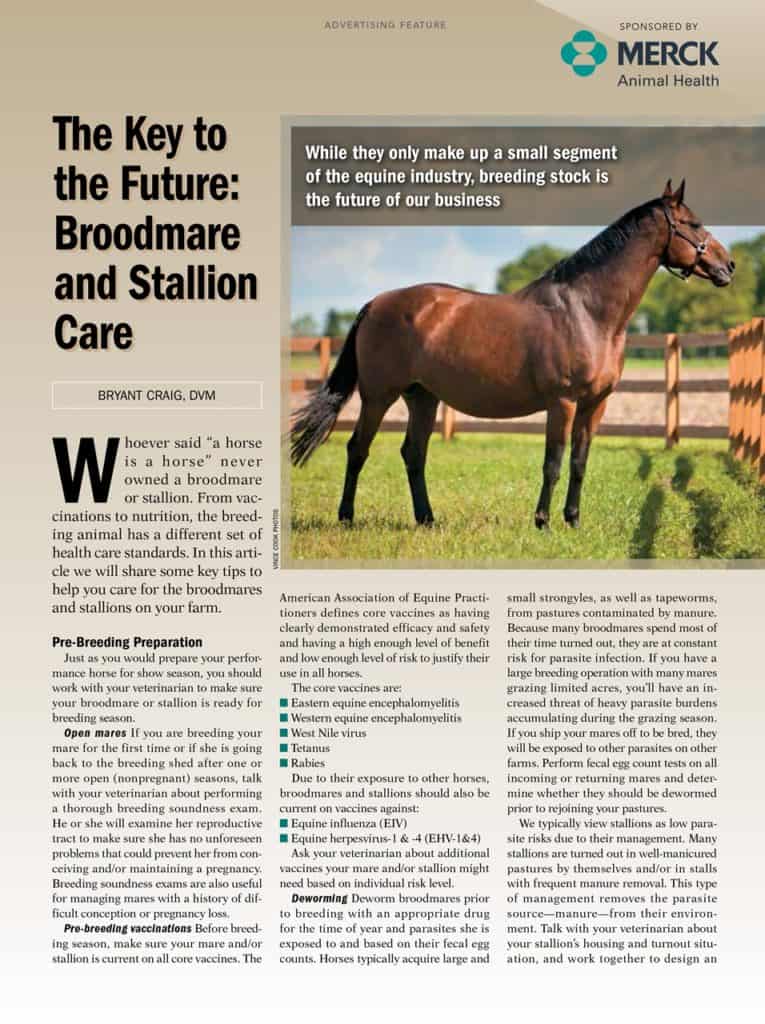
While they only make up a small segment of the equine industry, breeding stock is the future of our business.

Environment also to blame in exercise-induced pulmonary hemorrhage cases so severe that horses bleed from the nostrils.

Find out which foreign animal diseases North American horse owners need to keep an eye on and why.

Learn about what therapy choices to make, when to use them, and how much is necessary during treatment of the critically ill foal.
This symposium will focus on strategies for controlling equine arteritis virus (EAV) and other infectious agents in stallions, semen, and embryos.

Testing for and identifying which horses could potentially be affected by genetic conditions is important not only for buyers and breeders but also for the overall health of the breed itself.

Does your horse drool like a dog? Here are some reasons why, from the benign to the life threatening.
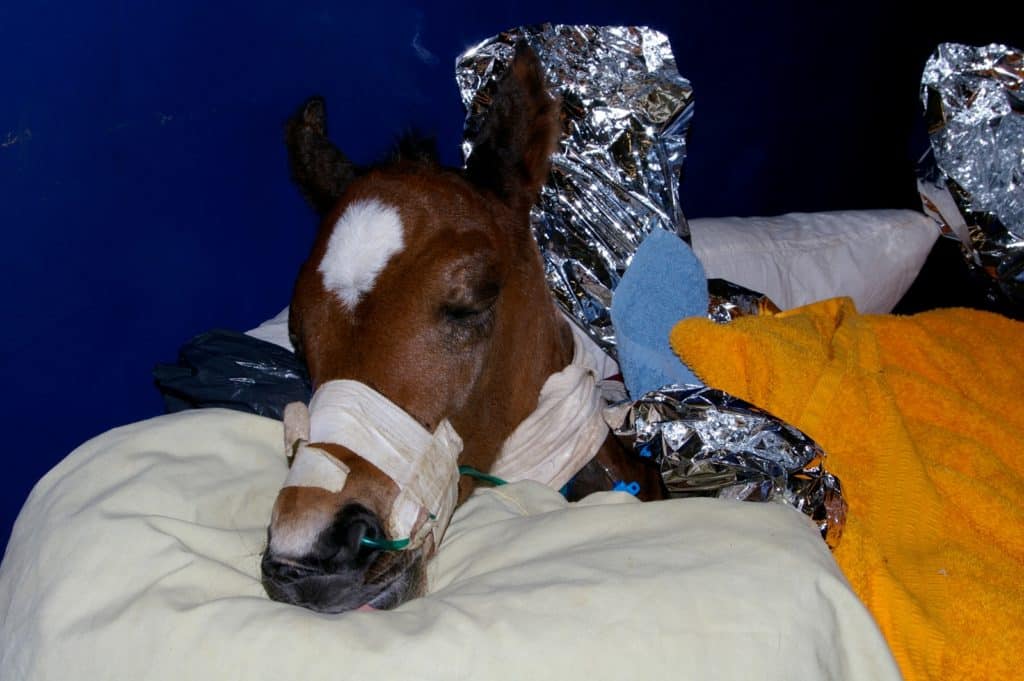
Weak or recumbent foals require early veterinary intervention. Here’s what to watch for.

Dr. Udeni Balasuriya’s research focus is to identify the viral and host factors involved in the establishment of EAV carrier state in the stallion.

Dr. Clair Thunes defines the differences between grains, concentrates, and complete feeds for horses and explains how much a horse needs.

Horses are at risk for contracting a number of diseases that can have mild to devastating consequences.

Learn about 20 important equine infectious diseases that could make your horse sick, how they are spread, and ways to prevent them in our easy-to-follow visual guide.

Do all the supplements, concentrates, and forages on the market have you confused about what’s best to feed your horse? Learn what your horse really needs to eat from equine nutritionist and consultant, Dr. Clair Thunes.

A reader seeks answers about a Caslick’s procedure and how the area should be opened prior to foaling.

Ernest Bailey, PhD, a geneticist at University of Kentucky’s Gluck Equine Research Center in Lexington, shares updated information about inheritance in horses.