Examining Horse Deaths Related to Endurance Rides
From 2002 to 2014, researchers identified a fatality rate of 0.32 per 1,000 starts in endurance horses.

From 2002 to 2014, researchers identified a fatality rate of 0.32 per 1,000 starts in endurance horses.

Researchers recently identified the NetF toxin in foals in Kentucky.

Discover what diseases your horse can catch from other animals, big and small.

Studies focused on ophthalmology, gastrointestinal disease, foal medications, pain management, and more.

Recaps of studies on colic outcomes, treatments for joint problems, respiratory surgery, and more.

Vets can use SAA levels to differentiate between systemic inflammation and noninflammatory diseases in horses.

With multiple approaches to handling ileus, one vet thinks a firm definition of the condition could help outcomes.

Wearing a grazing muzzle during feeding is a simple, effective intervention for horses prone to choke, scientists found.
Confirmed diseases include vesicular stomatitis, herpesvirus, influenza, Getah virus, and strangles, among others.
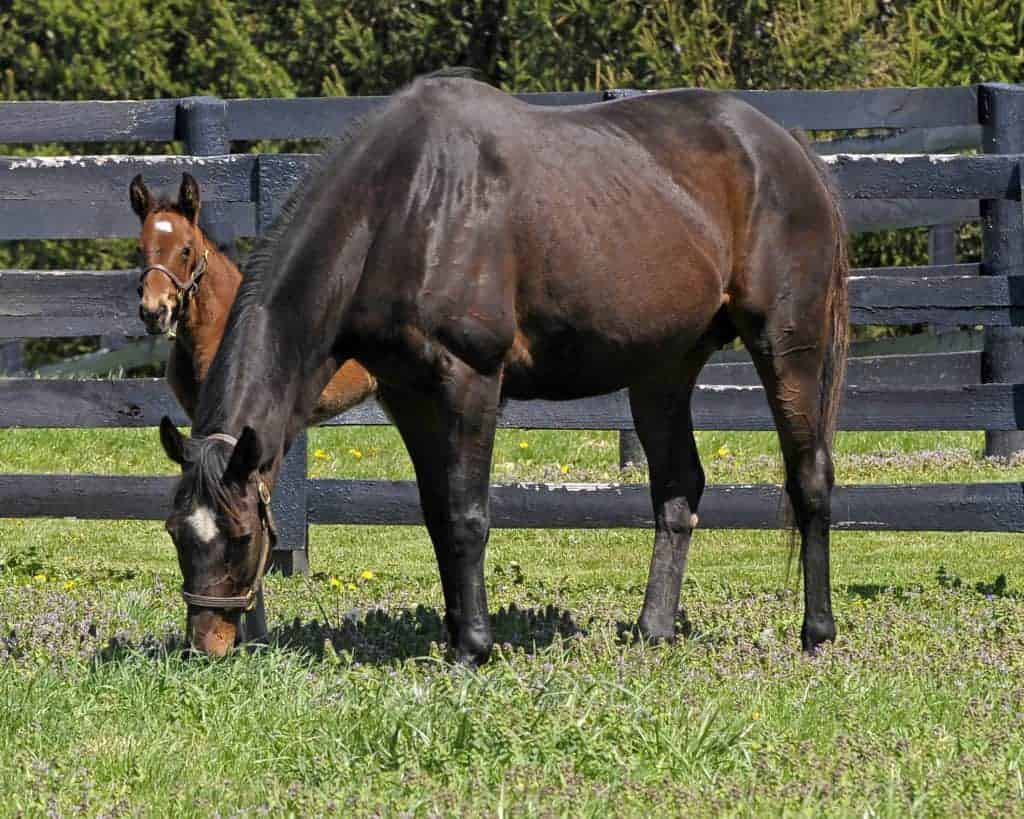
Tweets and take-homes from the Milne lecture and sessions on colic, digestive health, pathology, and more.
Speakers will discuss different aspects of feeding high-performance horses March 24 in Hunt Valley, Maryland.

Hope Douglas, VMD, will discuss types of colic, as well as evaluation and treatment both in the field and in a hospital.
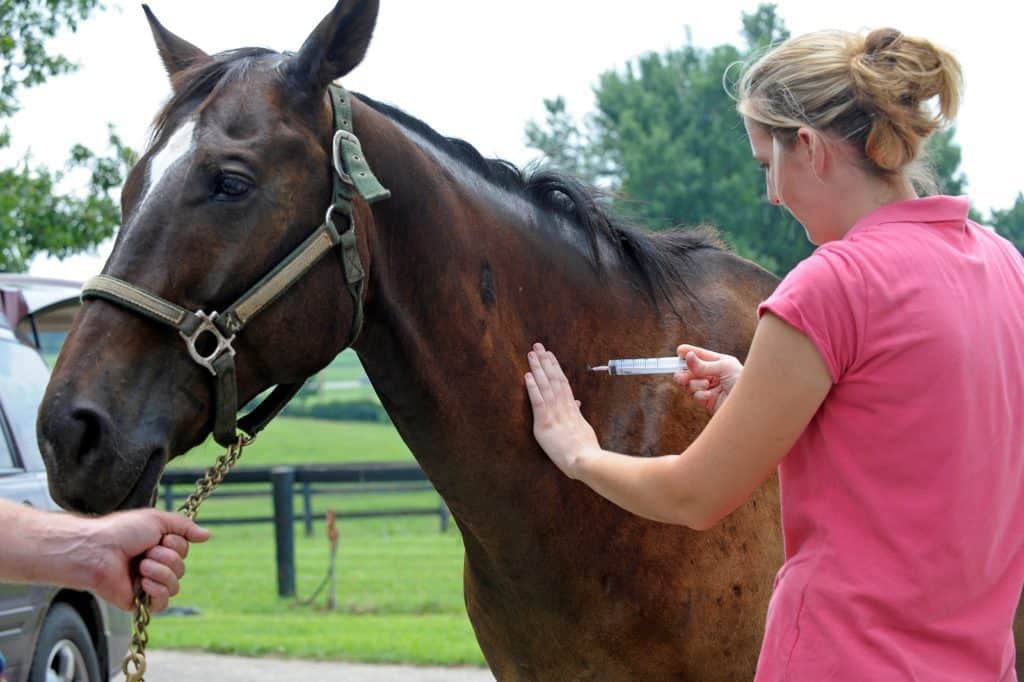
Here’s a rundown on our arsenal of equine disease-fighting drugs and their proper uses.

Researchers found that firocoxib and flunixin reduced horses’ pain scores similarly following colic surgery.

Short-term omeprazole administration had no impact on horses’ blood calcium levels or bone mineral content or density.
Reported diseases include vesicular stomatitis, equine infectious anemia, strangles, influenza, herpesvirus, and more.