Pigeon Fever as a Lameness Cause (AAEP 2010)

The soil-borne bacterium Corynebacterium pseudotuberculosis can infect horses and cause a condition commonly known as pigeon fever, in which the infected horses often have pectoral swelling, resembling a pigeon’s breast. Other clinical signs include

Read More

Negative Piroplasmosis Test Required for AQHA World Show

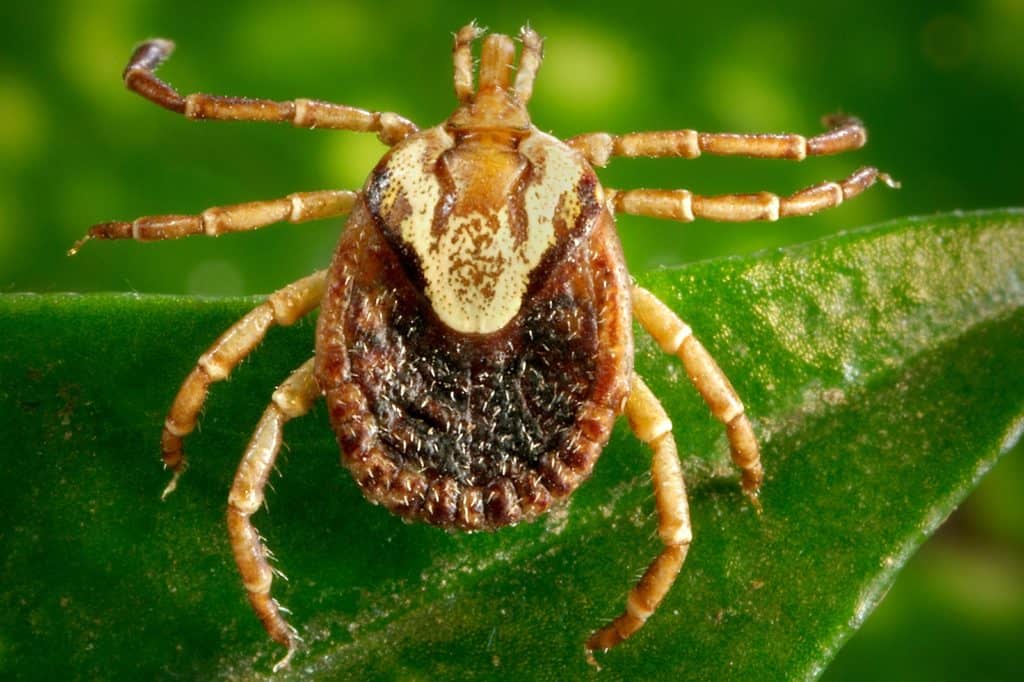
All horses competing at the American Quarter Horse Association (AQHA) World Show will now be required to test negative for the tick-borne disease equine piroplasmosis (EP) before being allowed to enter the show grounds. The mandate comes following a

Read More

African Horse Sickness Outbreak in South Africa Deadly

More than 90 cases of African horse sickness (AHS) have been confirmed in South Africa this year and more than 50 horses have succumbed to the disease, according to a report from the South Africa-based news website Cape Times. The outbreak has

Read More

In-Depth: Equine Piroplasmosis (AAEP 2010)

What horse owners need to know about piroplasmosis in horses, from Dr. Josie Traub-Dargatz of Colorado State University. (Presented at the 2010 American Association of Equine Practitioners convention)

Read More

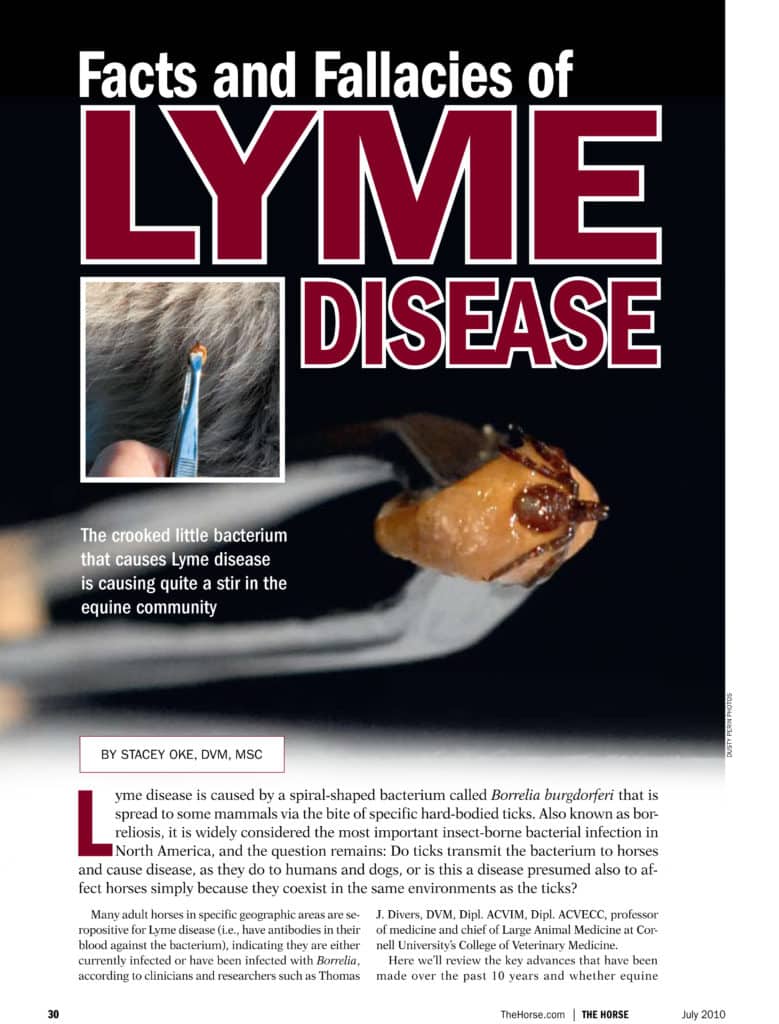
Lyme Disease in Horses: Facts and Fallacies

Lyme disease is caused by a spiral-shaped bacterium called Borrelia burgdorferi that is spread to some mammals via the bite of specific hard-bodied ticks. Also known as borreliosis, it is widely considered the most important insect-borne bacterial infection in North America. But it is unknown whether ticks transmit the bacterium to horses and cause disease or because the two coexist.

Read More

Equine Piroplasmosis Testing Offered in Kentucky

After passing a rigorous proficiency testing program, the UK Livestock Disease Diagnostic Center (LDDC) has been approved by the United States Department of Agriculture National Veterinary Services Laboratory to begin testing horses for Equine Piroplasmosis.

Read More

Piroplasmosis to be Discussed in WSU Innovators Lecture

A potentially deadly equine disease rarely seen in the United States poses a serious new threat to the multibillion dollar horse industry. Equine piroplasmosis, a tick-borne disease prevalent in about three-quarters of the world, now infects hu

Read More
horse in sling

Botulism: A Deadly Toxin

Botulism results from a deadly toxin that strikes horses swiftly, but exposure can easily be prevented. Dr. Rocky Mason of Hagyard Equine Medical institute tells us more.

Read More
horse in sling

Beat Botulism

Botulism is largely avoidable, but immediate veterinary treatment could help save an affected horse’s life.

Read More

Perspective on Hendra Virus

Ninety-nine times out of 100, a Hendra virus test is negative. But the statistics tell only part of the story. This Australian veterinarian discusses the disease, its implications, and how we can prevent horse-to-human transmission of Hendra.

Read More

Advances in Equine Medicine Discussed at AAEP

What was the hottest news in equine veterinary medicine in 2009? During the popular Kester News Hour session at the annual American Association of Equine Practitioners (AAEP) Convention, three top veterinarians (who focus on equine reproduction

Read More

More From The Horse

Fine art horse nose with black copy space
Nose brown horse closeup on a green background
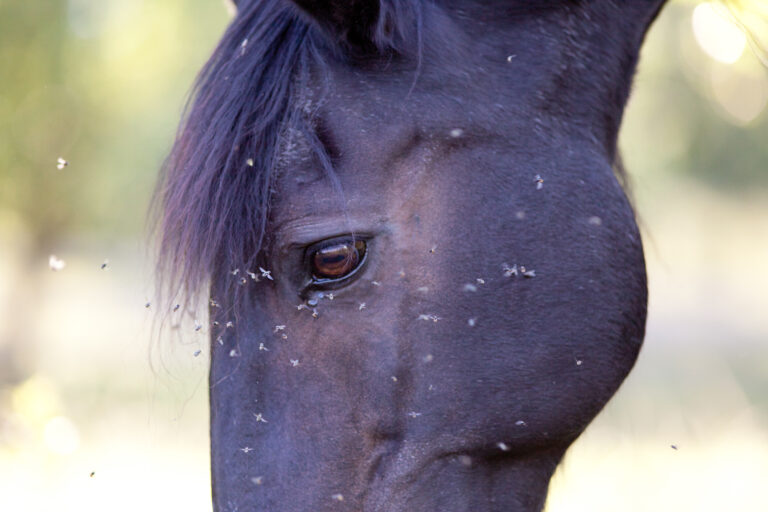
Horse on meadow with lot of flies and mosquitos
Feeding the Picky Pre-PPID Horse

Stay on top of the most recent Horse Health news with

FREE weekly newsletters from TheHorse.com

Weekly Poll

sponsored by:

Create a free account with TheHorse.com!

The Horse
Privacy Overview

This website uses cookies so that we can provide you with the best user experience possible. Cookie information is stored in your browser and performs functions such as recognising you when you return to our website and helping our team to understand which sections of the website you find most interesting and useful.