Stopping Disease Before it Spreads
Preparing ahead of time and acting promptly when an outbreak occurs can help limit the spread of infectious disease in horses. Read more in The Horse‘s Summer 2026 issue.

Preparing ahead of time and acting promptly when an outbreak occurs can help limit the spread of infectious disease in horses. Read more in The Horse‘s Summer 2026 issue.

Biosecurity measures remain a critical component to combating ‘strep throat for horses.’

Airborne pathogens can contribute to disease spread in equine hospitals. Learn how Synexis DHP® technology supports indoor biosecurity.
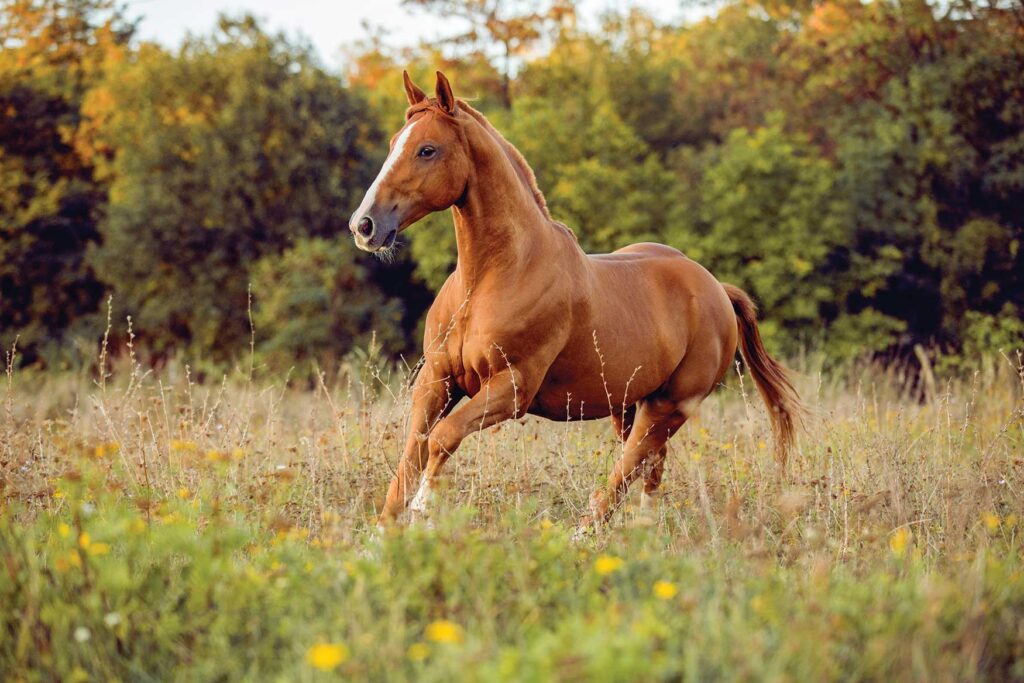
Widespread exposure but relatively rare clinical disease makes Lyme disease diagnosis and treatment challenging. Read more in The Horse‘s Spring 2026 issue.
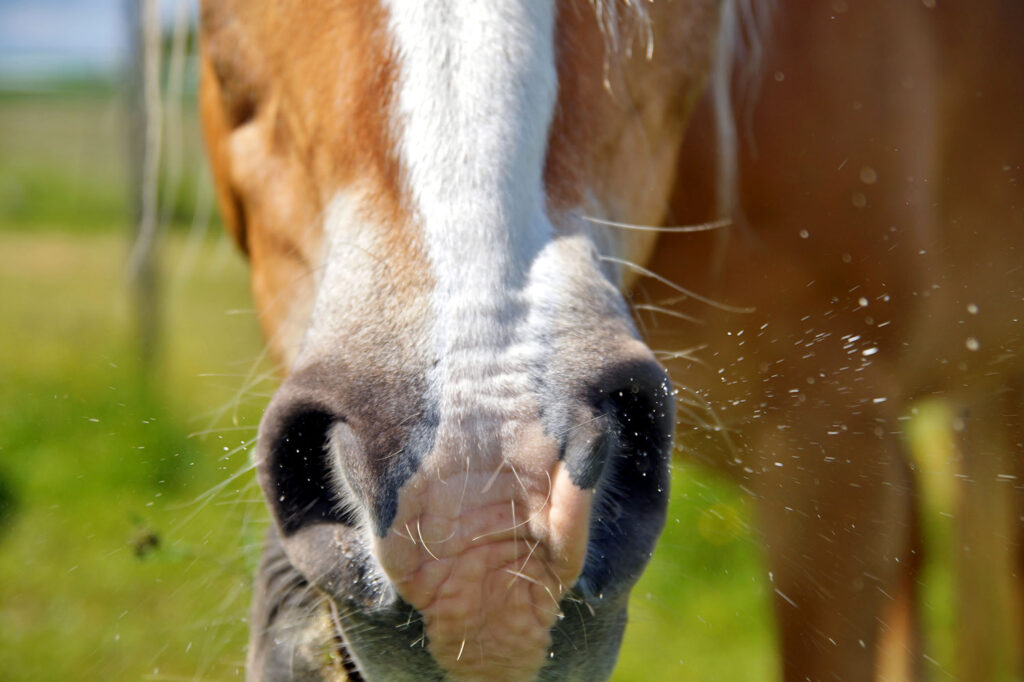
Learn more about equine herpesvirus-1, its clinical signs, and how it spreads.
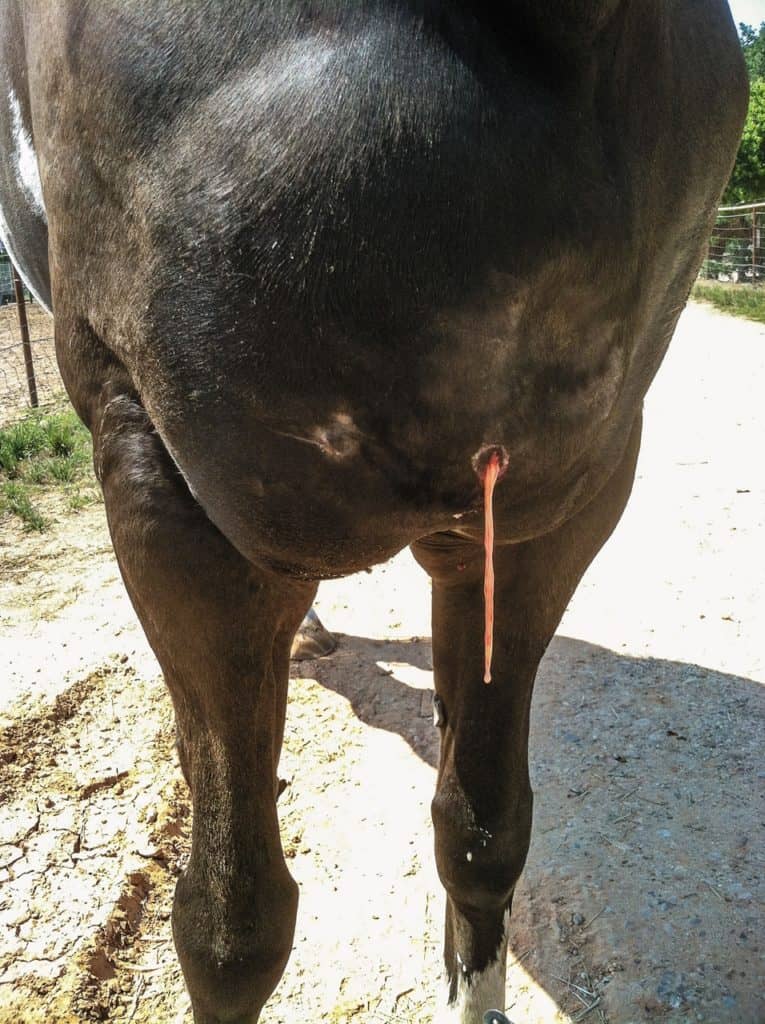
Corynebacterium pseudotuberculosis causes pigeon fever and internal abscesses. Cases are rising nationwide, making biosecurity critical.

Equine veterinarians break down equine herpesvirus-1 transmission, testing, neurologic disease, and prevention.

Fevers flag a health problem in horses, but what should you do when you can’t determine the cause? Here’s how veterinarians handle this frustrating problem.

Dr. Holly Helbig and Dr. David Levine describe how they use SAA and other biomarkers to spot infection early, guide treatment, support biosecurity, and monitor horses in real time.

Learn more about equine herpesvirus (EHV) and how to protect your horse.
Learn about this highly contagious equine virus and how to curb its spread.

The diagnostic tests veterinarians use are evolving to improve how we manage infectious diseases in horses.

Here’s how equine veterinary clinics institute strict biosecurity measures to contain, prevent, and control disease outbreaks.

Expanding tick ranges and emerging pathogens are increasing the risk of tick-borne diseases in horses. Learn what researchers and vets say about protecting your horse.
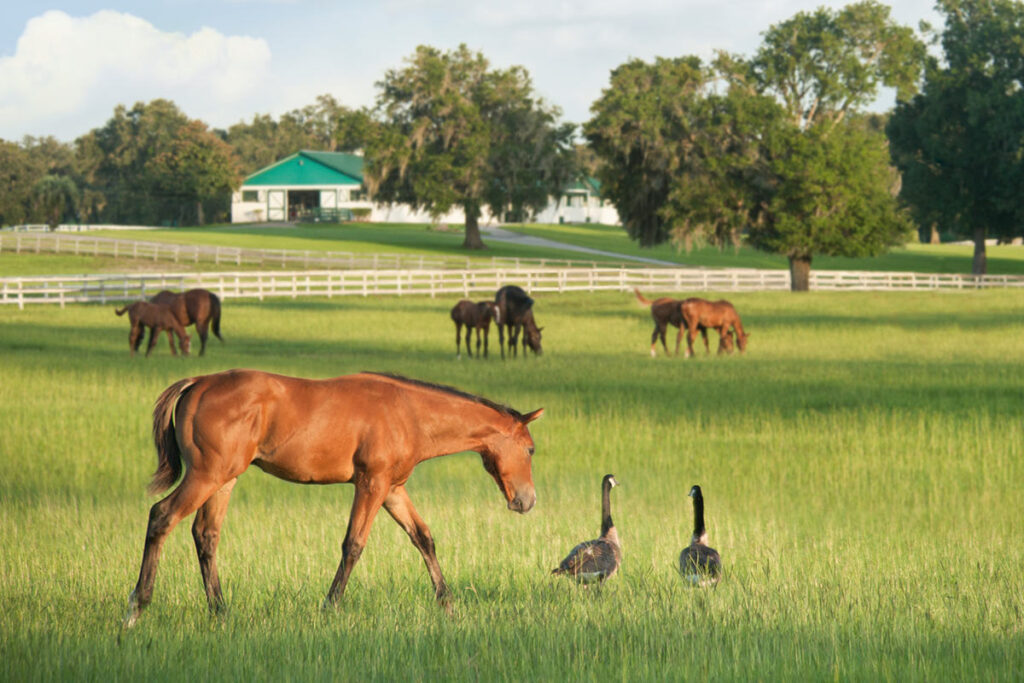
Here’s what scientists know about avian influenza and how it might affect horses.

As temperatures rise, tick activity increases—putting horses at risk. Learn how to identify tick-borne threats and implement effective prevention strategies.