Loose Stools in Old Age
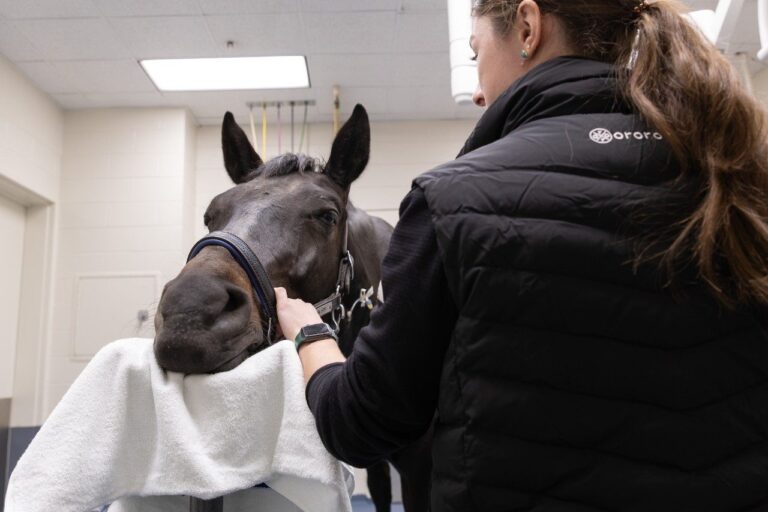
My old gelding is generally healthy, but lately he developed loose stools. Is there something I’m missing?

My old gelding is generally healthy, but lately he developed loose stools. Is there something I’m missing?

Miniature Horses are more susceptible to some health problems than their larger counterparts.

Evaluate dental health and bit suitability to determine if your bit could be causing training issues.

Whether your region’s winter weather consists of cooler temps and occasional rains or you’re in for months of frigid winds and endless snowfall, you can take steps to make the season more manageable.
The three-part series will cover routine veterinary, farriery, and dental care.
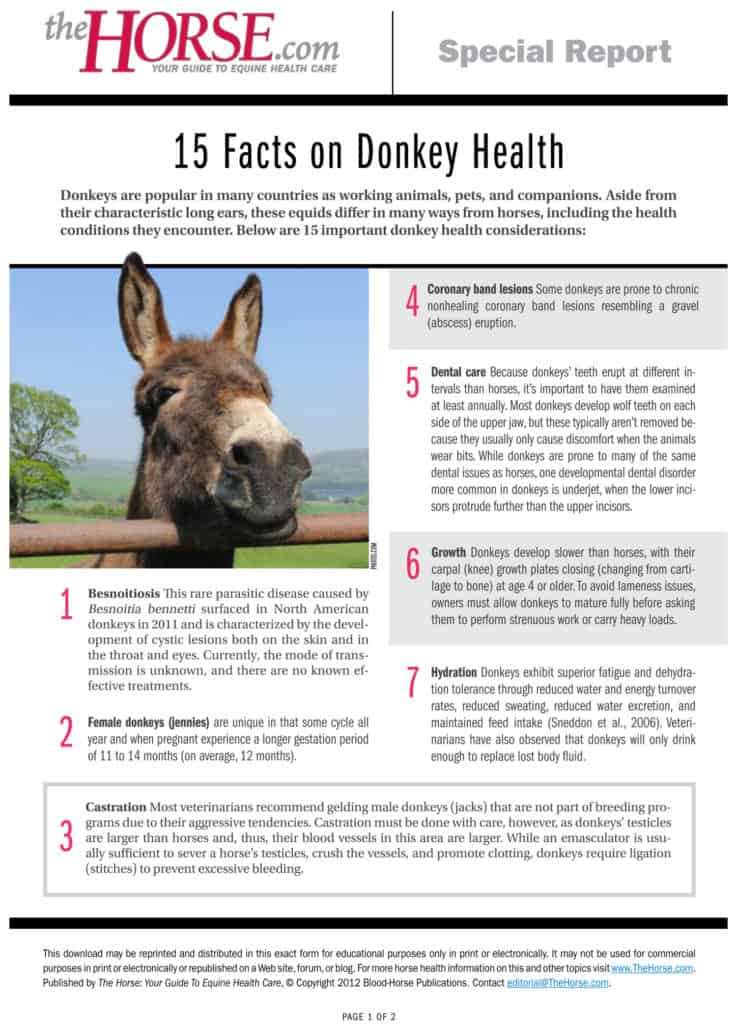
Did you know donkeys are more prone to laminitis in their hind feet, whereas horses tend to founder on their front? Learn about these donkey-health facts and more in our special report.
The case has been closed unless new information emerges, according to one Texas law enforcement officer.
Michigan State University’s (MSU) College of Veterinary Medicine is offering expanded equine dental services.
A Texas veterinarian is hoping to determine who engraved an obscenity onto a horse’s front teeth and why.
A judge ruled that a non-veterinarian equine dentist could not perform tooth-floating services for pay.
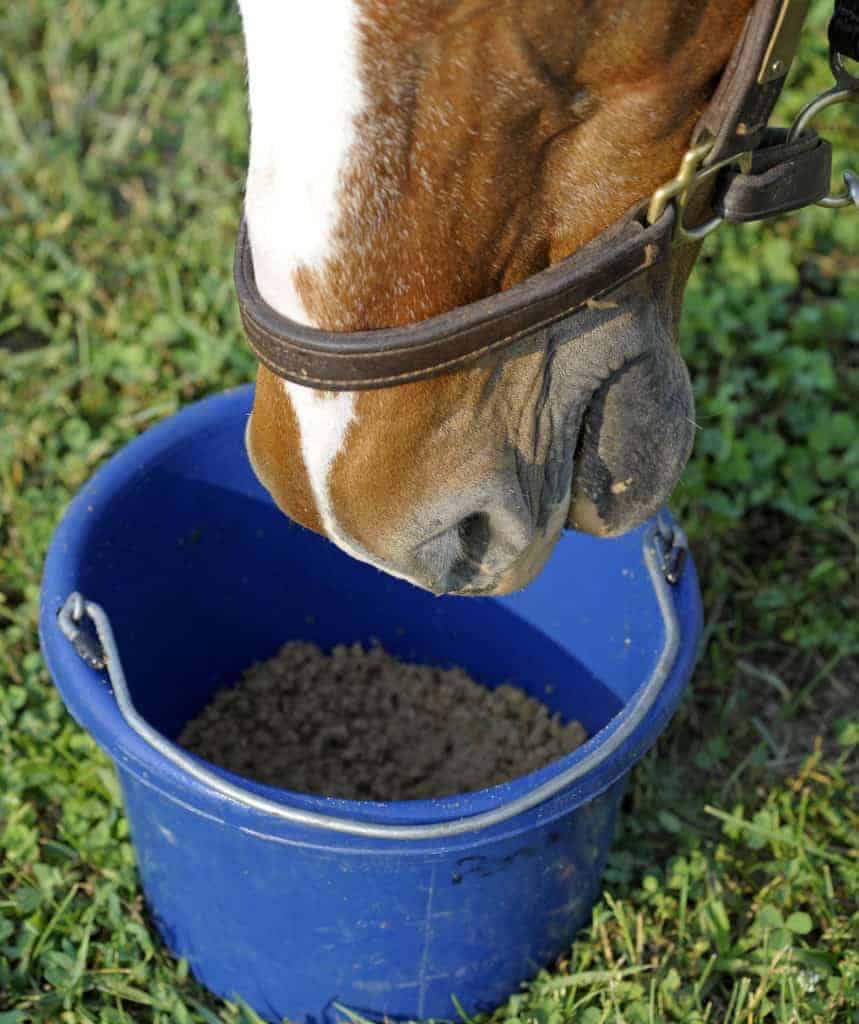
There are more than 100 possible causes for dysphagia–the inability to swallow–in horses.

Increased feed digestibility means greater conversion of feed to energy and–ideally–reduced feed bills.
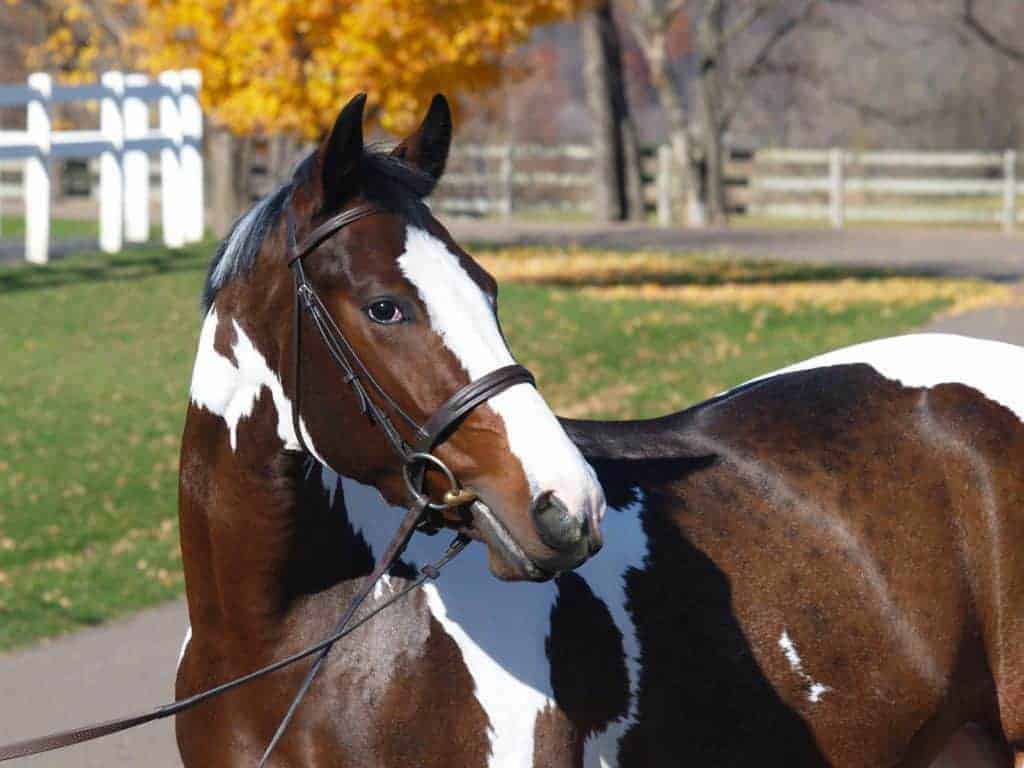
Studies offer conflicting information in regard to whether bit seating is beneficial to bitted horses.

Caring for deciduous teeth in young horses requires additional considerations from a veterinary standpoint.

Advancements in equine restorative dentistry are giving owners options when faced with some dental disorders.
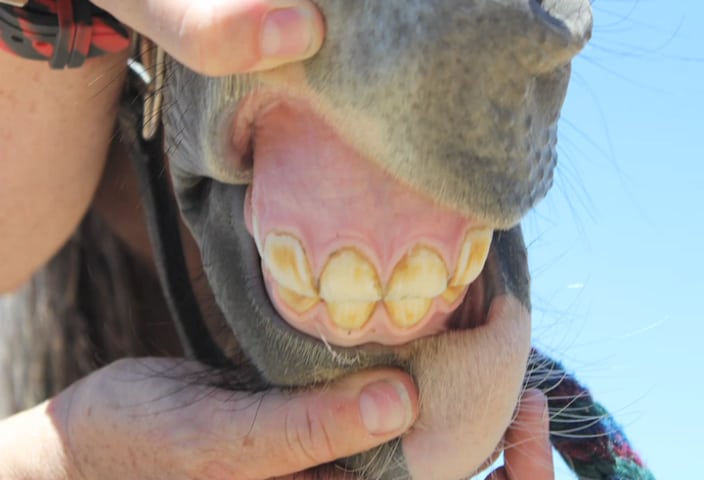
Horses’ teeth are very different from humans, and they need special dental care at least annually. Learn about routine dental exams, common dental problems, and routine equine dentistry procedures with Dr. Christy Corp-Minamiji.