What Body Condition Score Is Your Horse?
Two experts share their tips for evaluating equine body condition and advice for using those results to create a feeding plan that suits your horse’s age, breed, and activity level.

Two experts share their tips for evaluating equine body condition and advice for using those results to create a feeding plan that suits your horse’s age, breed, and activity level.

Do grazing muzzles cause stress or alter social behavior? Researchers tested a group of Miniature Horses to find out.
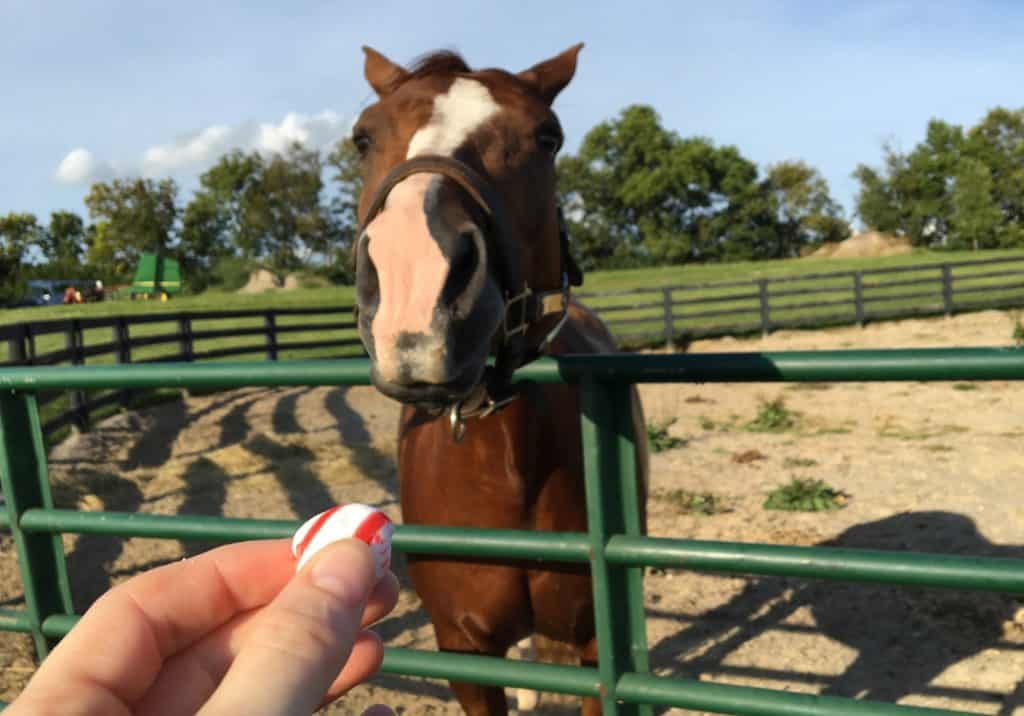
Will giving my horse peppermints offset the hard work we’re doing to help her lose weight?

Many factors affect your horse’s ability to mount an effective immune response, one of which is his age. Learn more about the horse’s immune system and how it functions at every stage of his life.

Dietary restriction plus a low-intensity exercise program helped improve overweight horses’ insulin sensitivities, which could help reduce their risk of developing laminitis.

Feed your roly-poly pony the way Nature intended to prevent obesity-related diseases such as laminitis and equine metabolic syndrome.
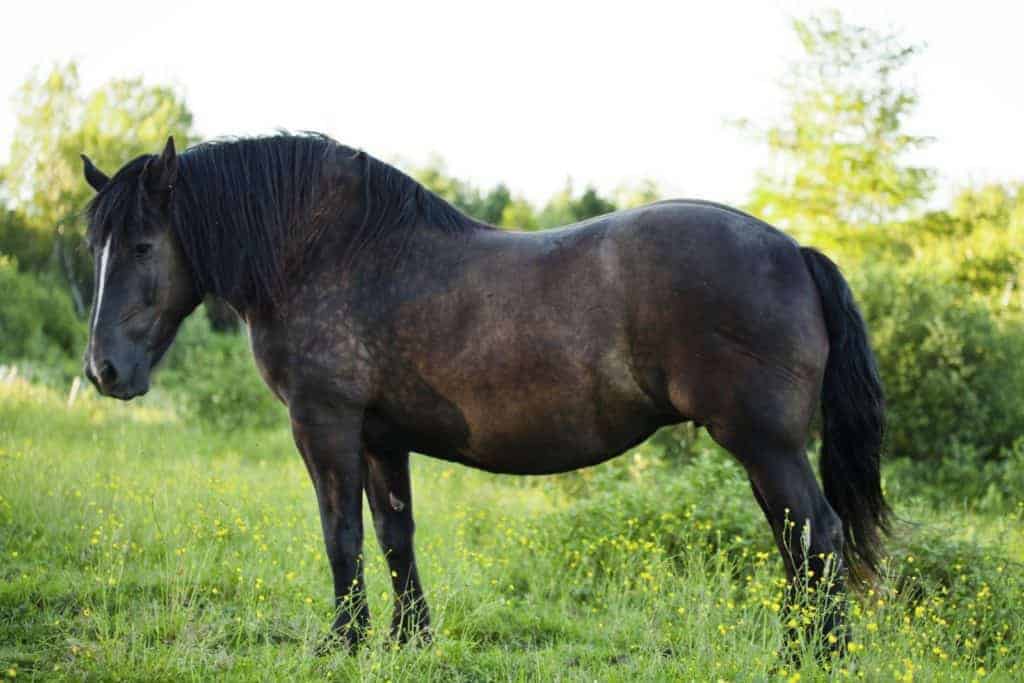
Studies suggest that more than half of certain horse populations in the U.K. are overweight or obese. As such, BEVA urges owners to act now to reduce the risk of their horses suffering weight-related health and welfare risks come spring.

Researchers know horse body weight, BCS, and body fat percentage appear to be correlated with blood concentrations of PGE2—a joint damage marker.

Equine researchers have begun studying the concept of whole-body inflammation because of its links to a variety of health problems, including “leaky gut syndrome”; musculoskeletal injury risk; and equine metabolic syndrome, insulin resistance, and laminitis.

Read some of the top tweets and take-homes on topics such as lameness, equine obesity, laminitis, and more from the 2018 British Equine Veterinary Association Congress.
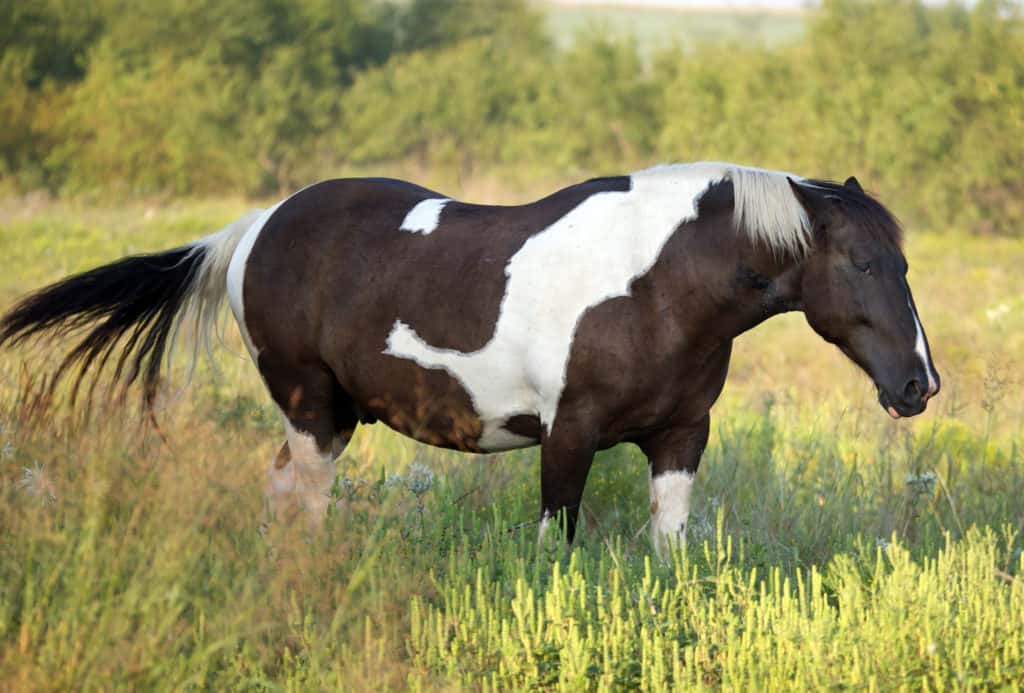
Researchers found a significant difference in how they body condition scored horses compared to the animals’ owners, who tended to underestimate body condition.

A successful equine slim-down program includes frequent weight assessments, smart feeding techniques, and various forms of exercise.

Our equine nutritionist offers suggestions for finding a grazing muzzle to fit your horse.

From reducing PPID-associated muscle wasting to managing IR and obesity, here’s what to consider for your old horse.
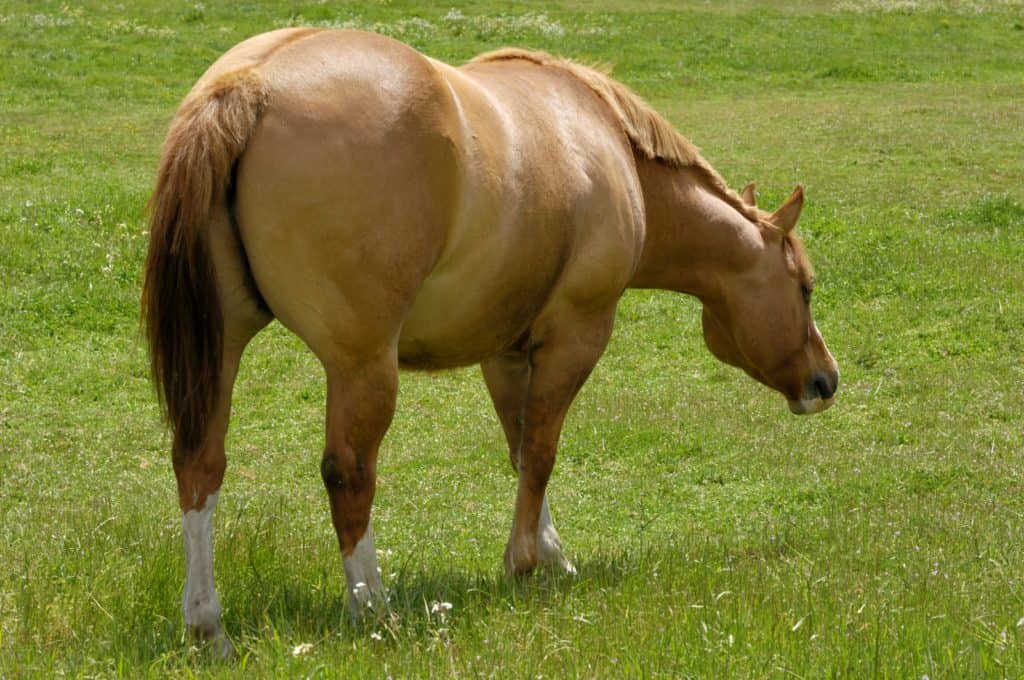
Improve your knowledge about diagnosing, treating, and preventing equine metabolic syndrome (EMS).

Learn more about nutrition’s role in the development and management of equine endocrine disorders and how you can reduce your horse’s risk of developing a secondary disease.