
Streptococcus Between Species
Can Streptococcus equi zooepidemicus be transferred from horses to people?

Can Streptococcus equi zooepidemicus be transferred from horses to people?

Of the 299 respondents, 196 (66%) said they use a sprinkler or water to help control arena dust.

Diseases and abnormalities of the upper airway are some of the main reasons for poor performance in sport horses.

One researcher believes additional studies are needed to improve IAD diagnosis, treatment, and prevention.

Does your horse have asthma? UPenn’s Dr. Rose Nolen-Walston shares management tips for offering your horse relief.
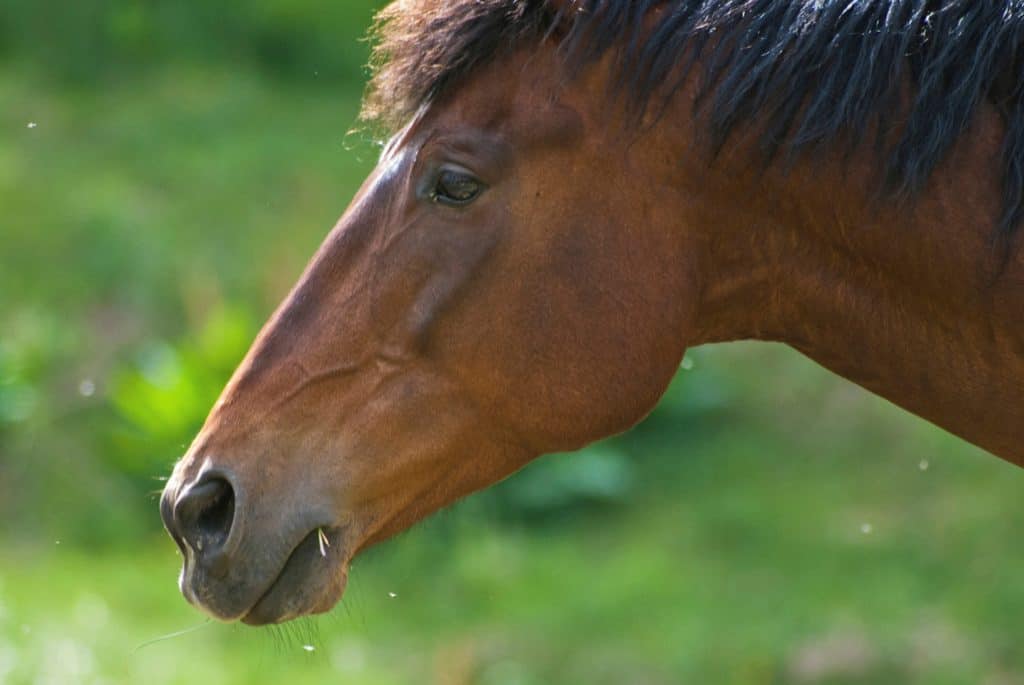
Inflammatory airway disease and recurrent airway obstruction fall under the “equine asthma syndrome” umbrella.

Long-distance transport poses risks for horse health and welfare that should not be taken lightly, researchers found.

Confinement is difficult but often necessary for healing. Learn how to keep horses healthy while on stall rest.

Causes of epistaxis—bleeding from the nose—can range from mild to life-threatening conditions. Here’s what to know.
Researchers found a “strong association” between horses developing asthma after contracting a rhinitis virus.

Learn how to make changes around the barn to reduce horses’ likelihood of developing respiratory disease.

Be mindful of the associated health risks and understand how to best manage your horse before and after air travel.

Of the 802 respondents, 170 (21%) said they use a stall freshener or deodorizer on an as-needed basis.

Asthmatic horses’ clinical signs worsened when temperature and humidity increased suddenly, researchers found.

Peat might not be pretty, but study results suggest it might be better for your horse’s health than wood shavings.

Vets can use SAA levels to differentiate between systemic inflammation and noninflammatory diseases in horses.