International Equine Disease Report, Second Quarter 2012
Equine influenza, equine herpesvirus, strangles, contagious equine metritis, and confirmed around the world.

Equine influenza, equine herpesvirus, strangles, contagious equine metritis, and confirmed around the world.

Moving the air inside barns can help improve year-round comfort and air quality for horses and humans.

One researcher discusses EIPH, furosemide use in racehorses, and related scientific research.
Eric J. Parente, DVM, Dipl. ACVS will discuss advancements in equine airway diagnostics and treatments.
A spate of fatal breakdowns was primarily the result of structural deficiencies in rules and regulations.

Trainers managing Salix-free horses noted that none of them have shown signs of bleeding after races so far.
Chalmers’ goal is to provide owners with a reliable and inexpensive way to screen horses for roaring.
A meeting served as a information-gathering session in light of ongoing discussion about furosemide use.

While the drug initially reduced airway sensitivity, long-term use seems to result in reduced effectiveness.
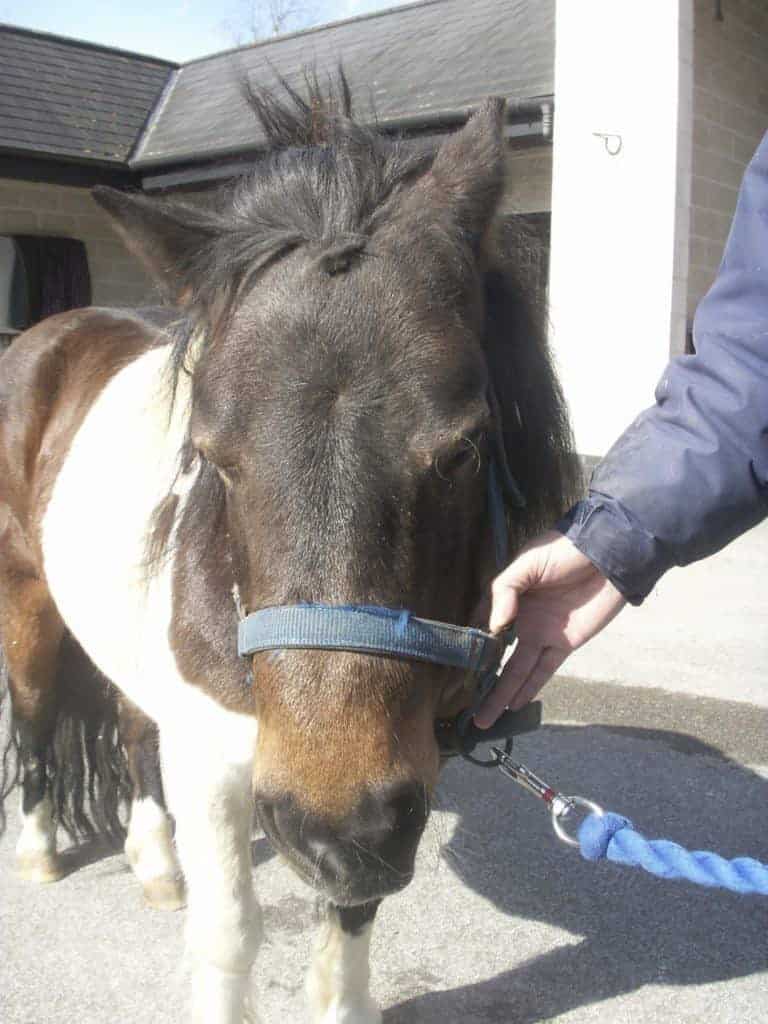
Researchers looked at common signs, diagnostics, and treatments for equine temporohyoid osteoarthropathy.
Gov. Steve Beshear implemented regulations reforming some aspects of the state’s equine medication policy.
Race-day medication discussions are taking place in both Kentucky and West Virginia.

Whether traveling to an out-of-state show or a mile away to the park, good equine health care starts at home.
Furosemide will be the only medication permitted on race day in Kentucky effective Sept. 4.

Numerous factors go into selecting the appropriate surgical procedure to treat equine roaring.

In order for a horse to reach his athletic potential, his cardiorespiratory system must function properly.