Australian Equine Influenza Outbreak Lawsuit Planned
An Australian law firm is preparing a class action lawsuit surrounding the 2007 equine influenza outbreak.

An Australian law firm is preparing a class action lawsuit surrounding the 2007 equine influenza outbreak.

Electrolytes can help increase equine performance when supplementing a balanced diet.
Supporters ripped their opponents and vowed to take their case–that Salix is good for the racehorse–public.
Also on the website are news, videos, scientific studies, and commentary in support of medication-free racing.

While some studies support the use of equine nasal strips, others have yielded less promising results.
Racing regulators around the country discuss Kentucky’s move to ban race-day furosemide administration.
A panel will present radiographic images of joints and endoscopic videos of throats Thoroughbred yearlings.
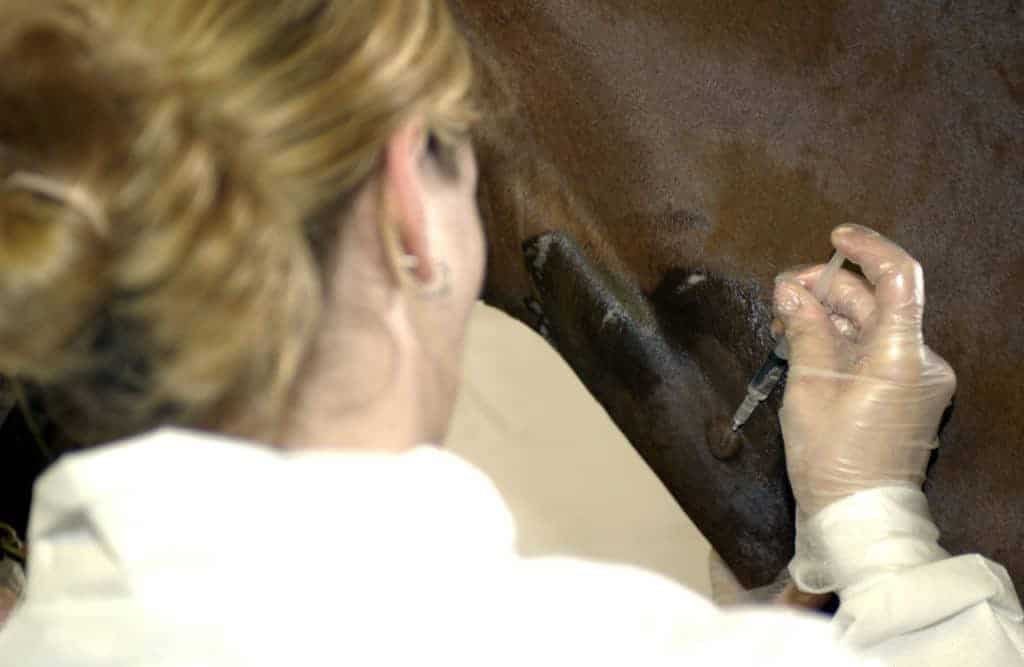
Study finds that dexamethasone (DXM) behaves similarly regardless of how it enters the horse’s body.
The medication furosemide (Salix) will be discussed by J. David Richardson, MD, and Foster Northrop, DVM.
The TRA has endorsed a policy for equine medication reform supported by many industry stakeholders.

Dutch scientists determined that all non-natural head and neck positions affect horses’ breathing.
The International Federation of Horseracing Authorities and the Hong Konj Jockey club support the decision.
Kentucky horsemen, after the vote, said they intend to lobby lawmakers to oppose the regulation.
Two New York senators announced June 12 that they do not support a ban on race-day Salix administration.

The measure would ban the use of furosemide on race-day in graded and listed stakes over a three-year period.
The AGSC supports a ban on all race-day medication in graded stakes race for 2-year-old Thoroughbreds.