How to Clean/Disinfect Horse Equipment
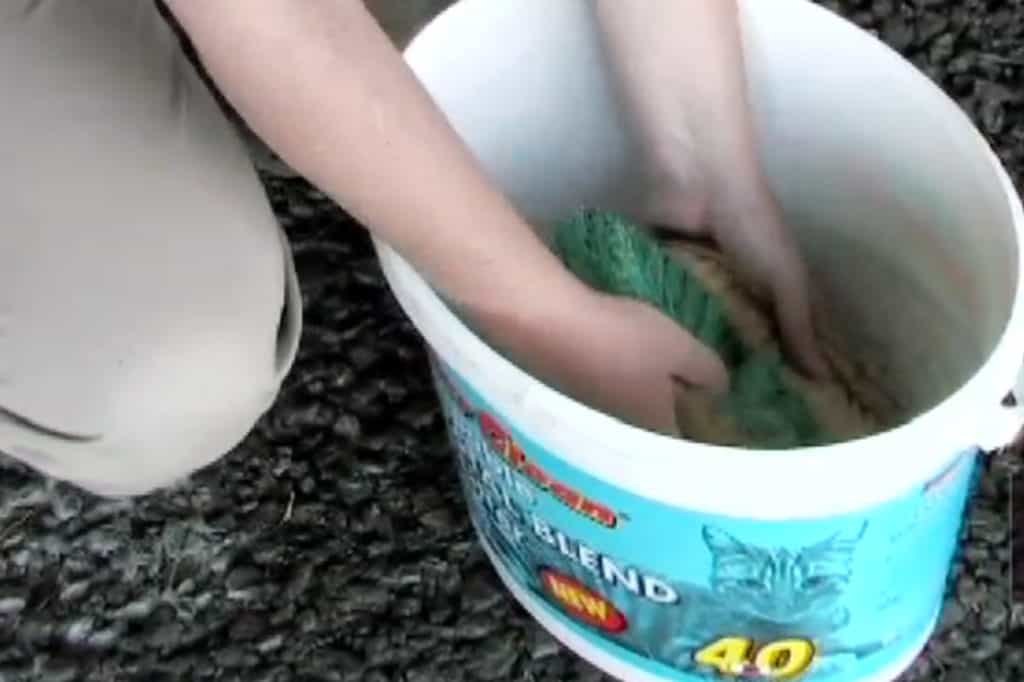
Learn how to properly clean and disinfect non-leather horse equipment such as brushes, hoof picks, and twitches.

Learn how to properly clean and disinfect non-leather horse equipment such as brushes, hoof picks, and twitches.

Dr. Christy Corp-Minamiji discusses what you can do to build a safe stall or make an existing stall safer.

Time is of the essence when diagnosing and treating atypical myopathy as it can prove fatal in less than two days.
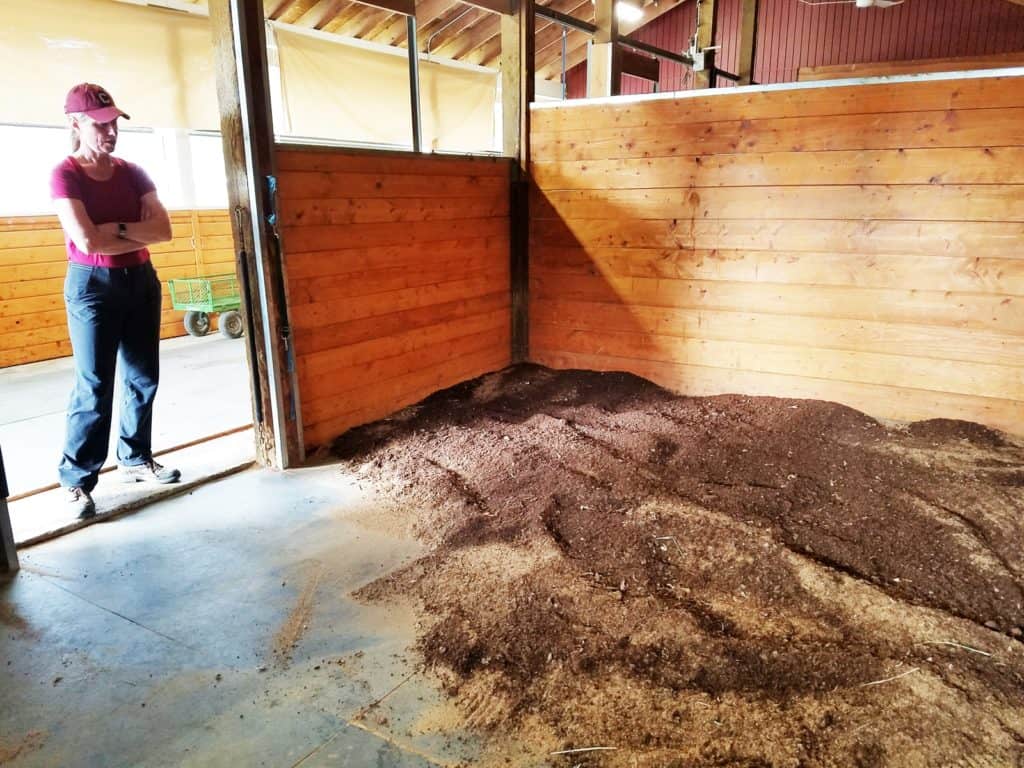
A researcher recently worked with equine facilities to launch a pilot program to test composted bedding.

The conference focuses on teaching ways to maximize alfalfa production and utilization.
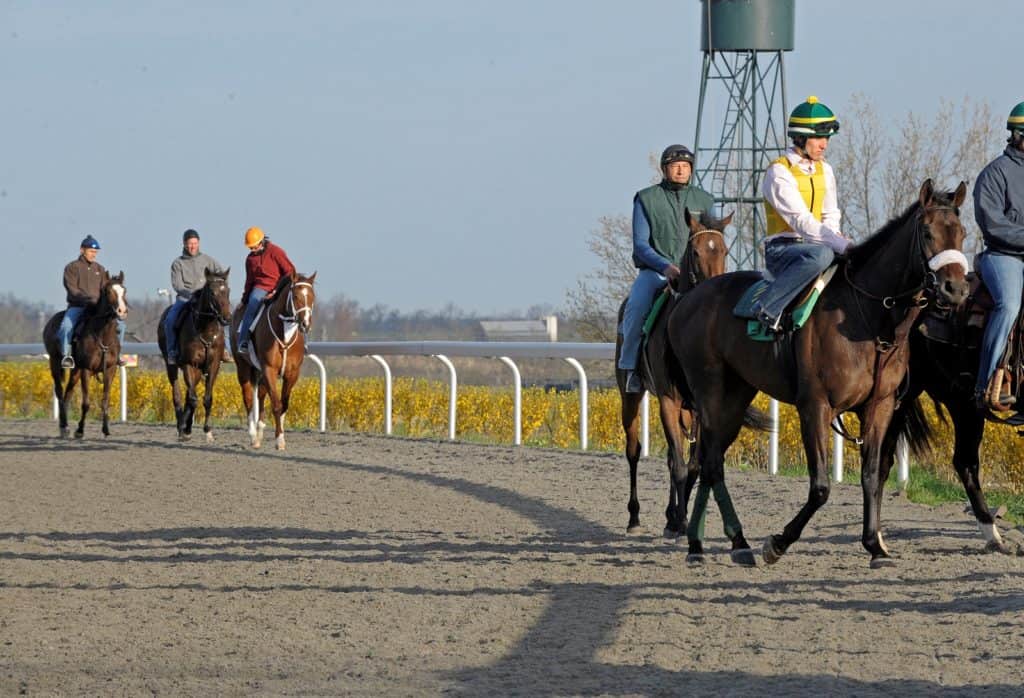
In this first part in a series on testing and maintaining equine competition surface, we focus on racetracks.
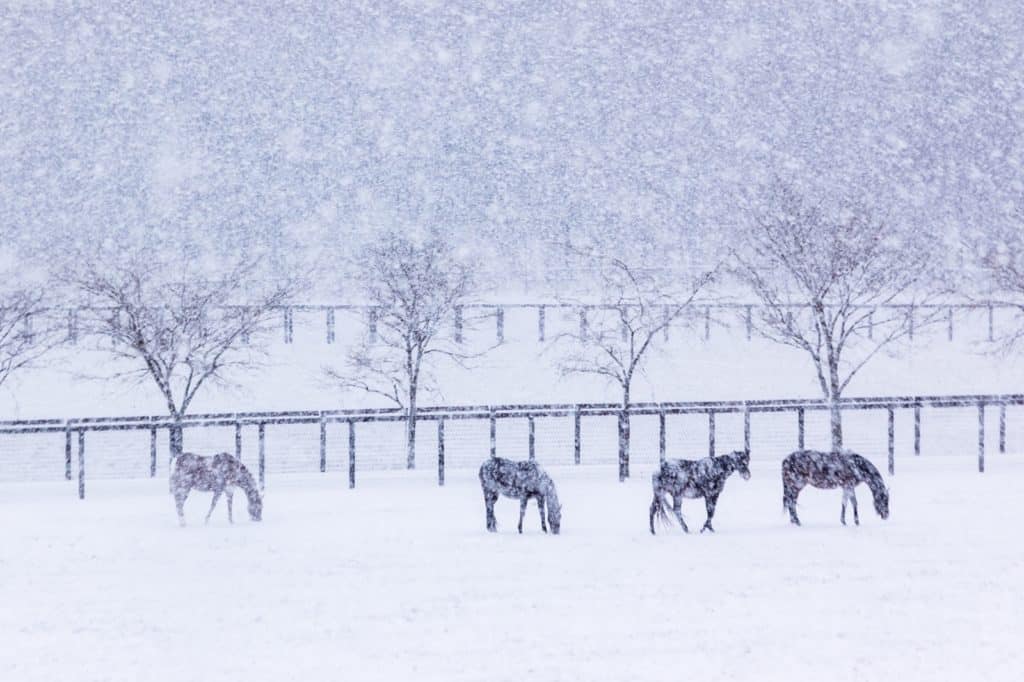
Ensure horses and livestock have adequate shelter, water, dry bedding, and feed to make it through the cold spell.

Foals with a selenium deficiency are at risk of developing white muscle disease, which leads to skeletal and cardiac muscle abnormalities.

Fatal injuries in North American flat racing horses has decreased by 23%, but there’s still work to be done.

Of the 838 respondents, 290 (35%) said they keep thawed water available to their horses in a stock tank or trough with a heating element.

Get tips for maximizing your stallion’s health, security, and well-being with safe and sensible stabling practices.

Footing is one of the most common factors cited when a horse performs poorly or suffers an injury.

The National Fire Protection Association shared tips for keeping barns safe from fire. Is your stable ready?

Learn about horse coat colors, skin conditions, pasture weeds, parasites, horse properties, and more.

Having your saddle fit is paramount to your horse’s comfort and soundness.

Most respondents said their horses’ comfort is the most important factor when choosing a saddle pad.