Are Christmas Decorations Poisonous to Horses?
Find out what might happen if your horse eats that wreath hanging on his stall door.

Find out what might happen if your horse eats that wreath hanging on his stall door.

These horsekeeping tips can help keep your farm running smoothly and horses healthy when winter weather arrives.
An equine nutritionist explains how different energy sources function in your horse’s feed and how to incorporate them to improve his performance.

When the temperatures drop, make sure your horses always have access to water and are drinking enough.
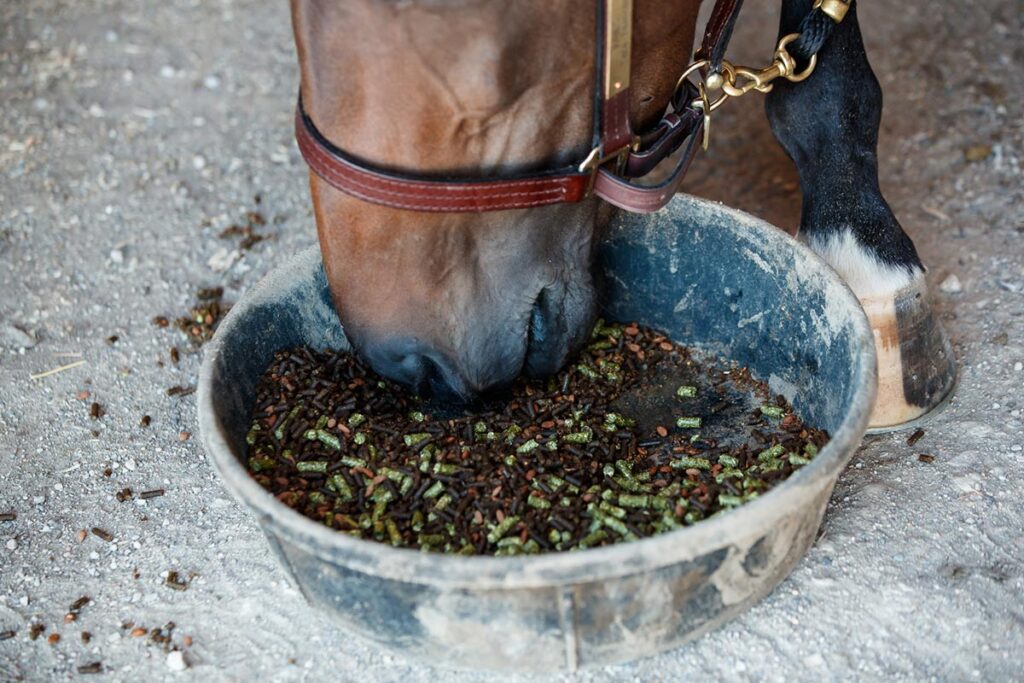
Two veterinarians answer your equine supplement questions in this Ask TheHorse Live podcast. Sponsored by SmartEquine.

An equine nutritionist weighs in on which type of hay best helps horses stay warm during cold nights.
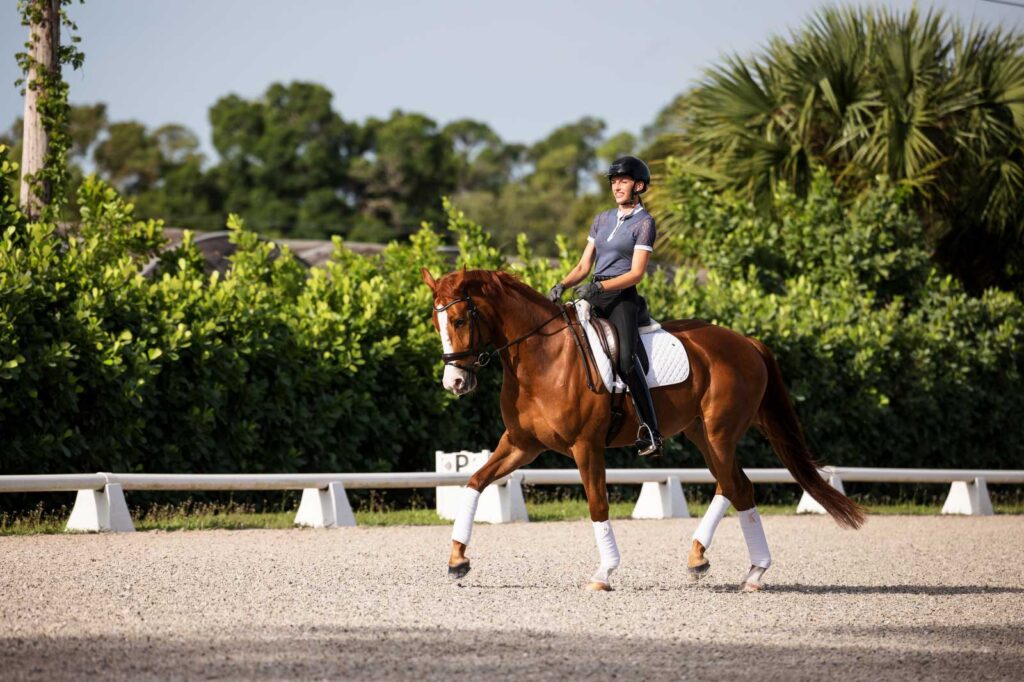
Find out what breed, discipline, and behavior factors might make a horse more susceptible to developing gastric ulcers.

Stacking and tarping your hay correctly can ensure quality forage for your horse all winter.
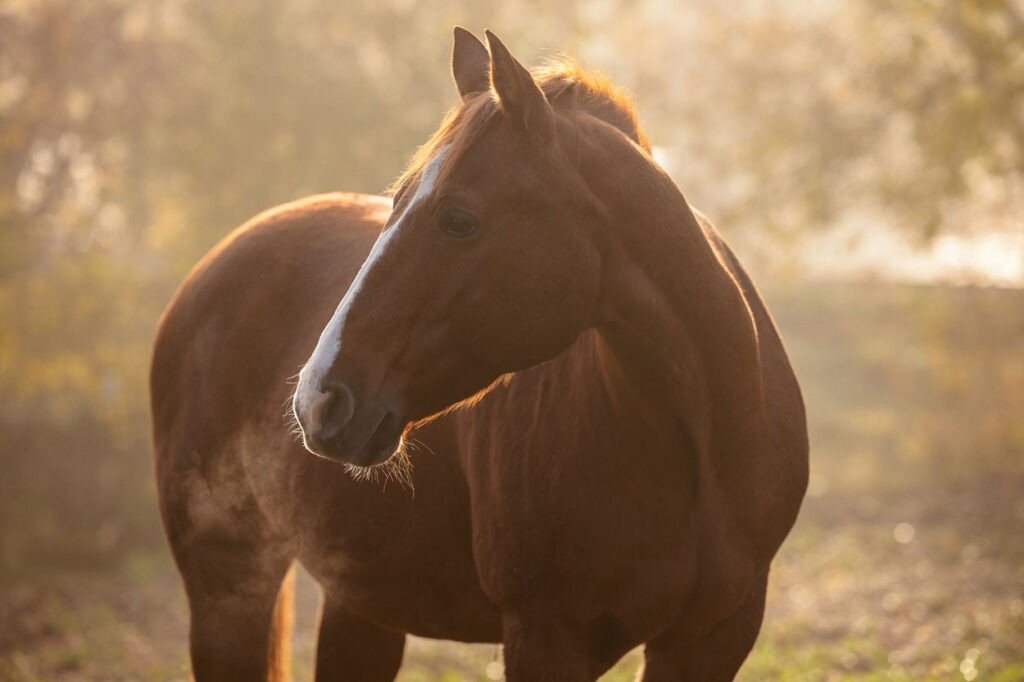
Researchers examined if polyphenol supplementation, along with adequate management practices and nutrition, can be beneficial for horses with airway disease.

Here’s what seasonal treats are safe for horses and what you should consider when feeding them.

Some horses might become hard keepers as they age. Here’s how to feed senior horses to maintain weight and support healthy muscles and joints.
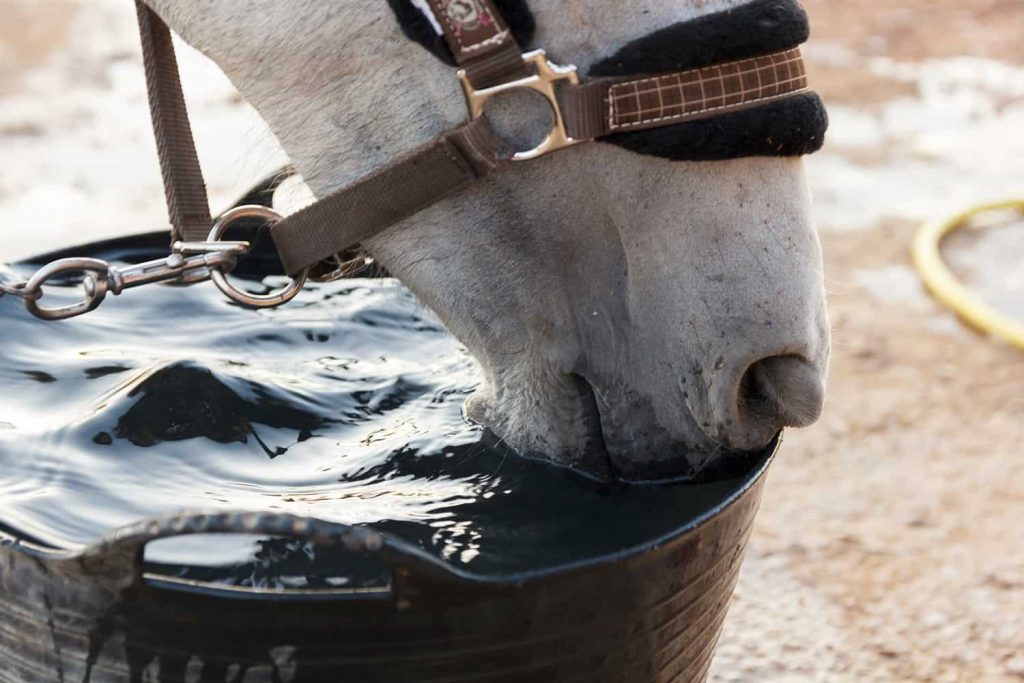
Just because your horse has access to water does not guarantee he’s drinking enough. Learn more about how to keep horses hydrated.

Proper storage techniques help prevent spoilage, preserve nutrients, avoid mold, and protect against pests, supporting your horse’s health and maximizing your investment.

Here’s how to choose a high-quality ration balancer for your mule that provides essential nutrients without supplying additional calories.
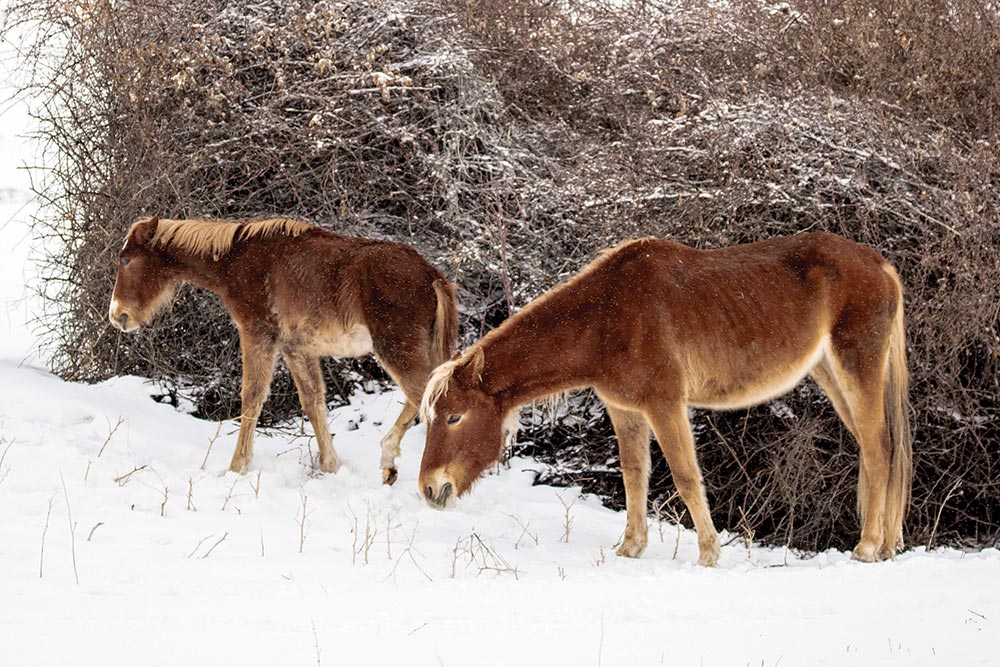
Consider the reasons your horse needs to gain weight and learn how to help safely and effectively. Read more in the Winter 2025 issue of The Horse.

Use this checklist of fall horse property chores to better prepare yourself and your horses for the upcoming winter months.