Horse Care: When Less is More
Find out what commonly applied practices horse owners and caretakers tend to overdo.

Find out what commonly applied practices horse owners and caretakers tend to overdo.

Your horse needs essential nutrients from the diet to stay healthy. An equine nutritionist explains how to meet those needs through proper feeding.

While steeped in tradition, feeding bran mashes can cause GI distress in horses. Learn why, and discover alternatives.
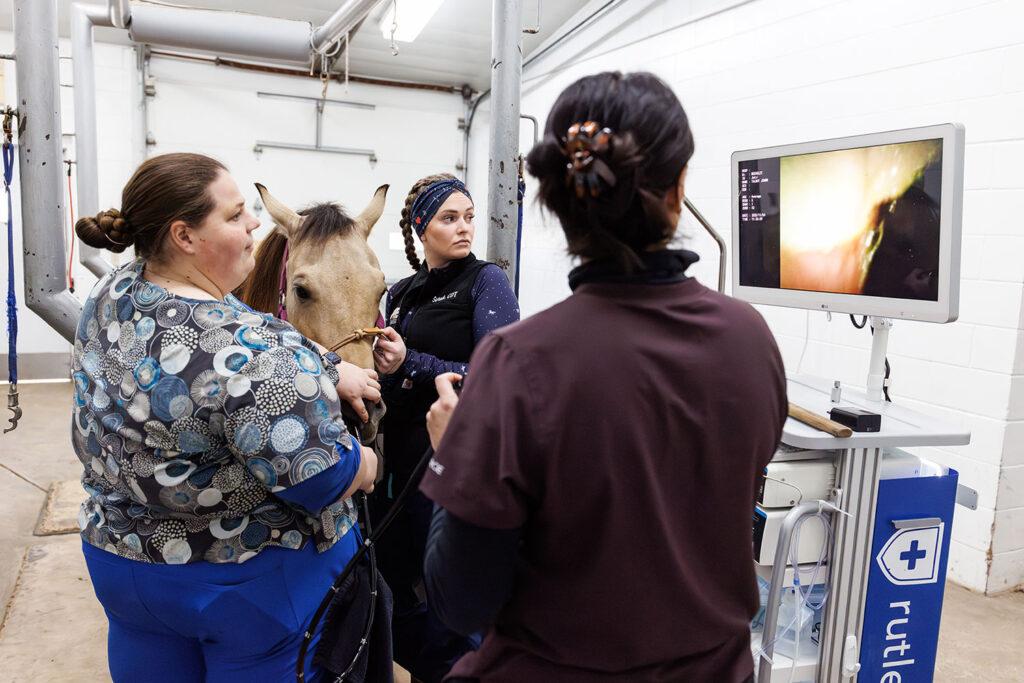
Two veterinarians answer your equine gastric ulcer questions during this recent Ask TheHorse podcast episode. Brought to you by Bimeda.

Researchers continue to learn how the components of a horse’s diet can help battle inflammation.

Learn how to store hay and grain properly—keeping nutrients in and mold, rodents, and spoilage out.
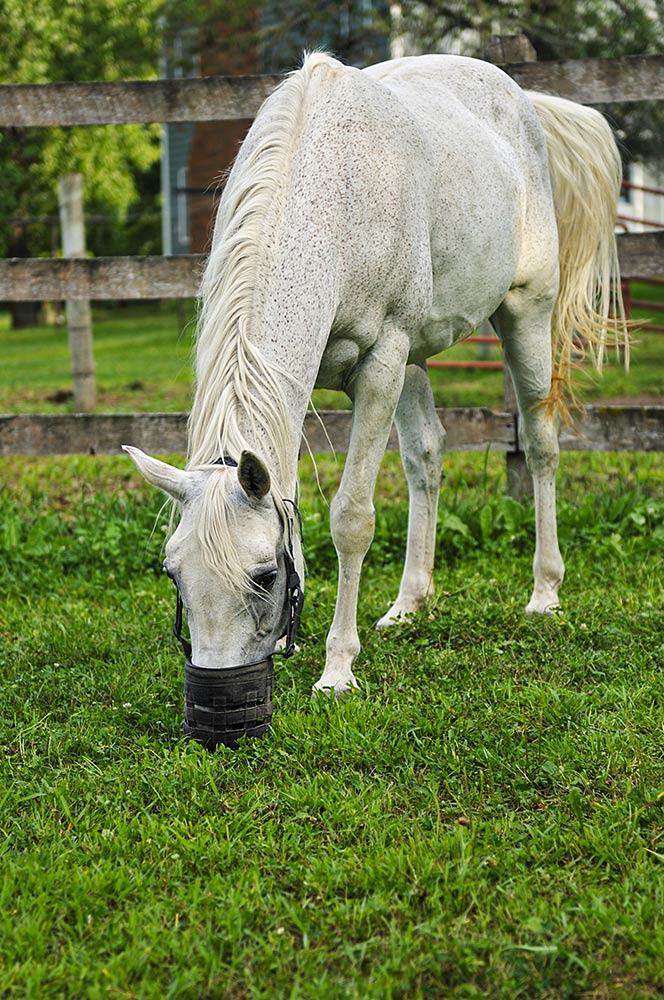
New research on insulin dysregulation highlights how pasture NSCs, forage intake, and grazing muzzles can help reduce laminitis risk in horses.
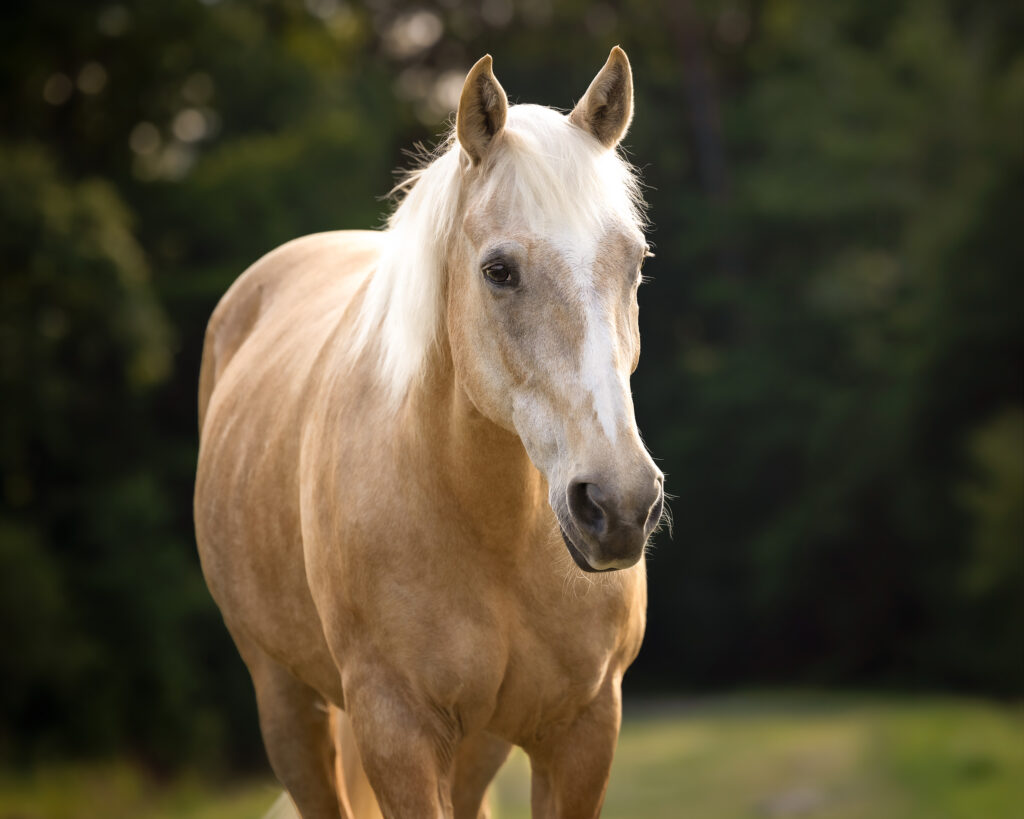
A researcher describes the importance of low-NSC diets for horses with metabolic problems and gives 3 tips for helping metabolic picky eaters gain weight.
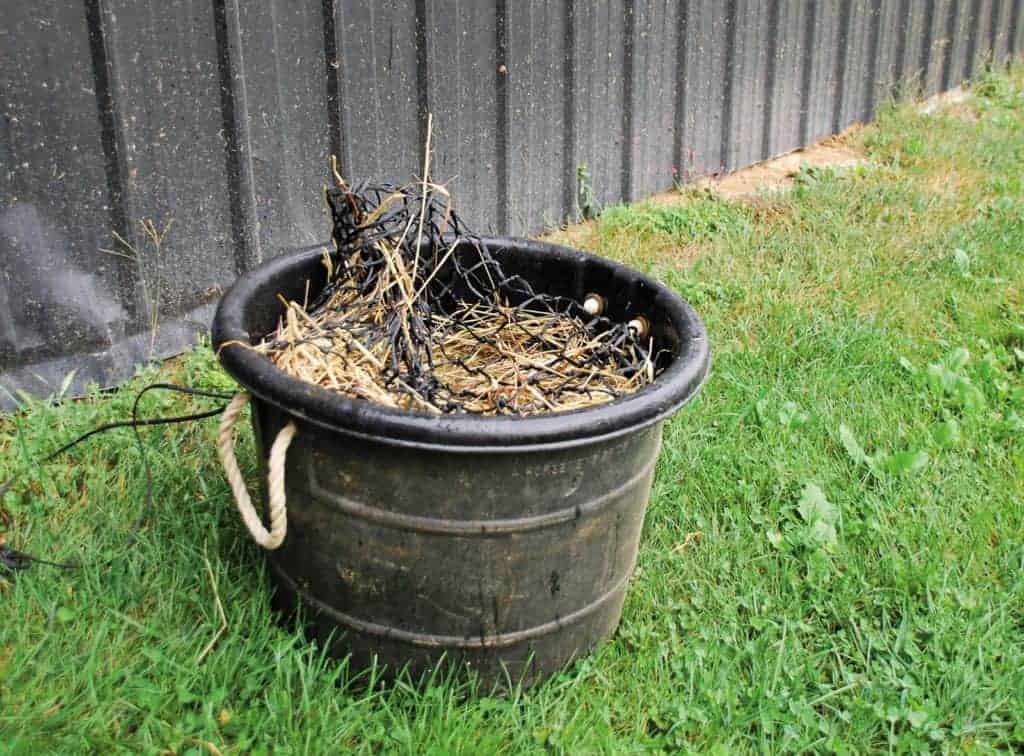
Hay soaking can help horses with equine metabolic syndrome, but owners should understand how it might affect the rest of the diet.

Forage should be the basis of your horse’s diet. Here’s what factors to consider when choosing a forage.
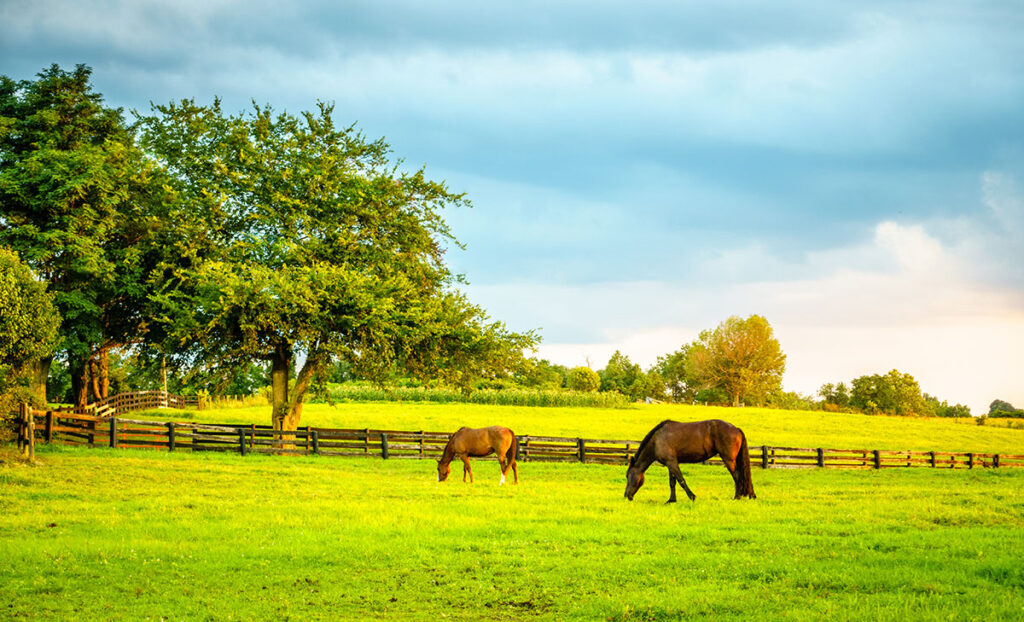
Find out how postbiotics influence horse health and which horses might benefit from supplementation.

‘Low-starch’ horse feeds do not have a standard definition. Nutritionists recommend testing forage and calculating total diet NSCs to manage sugars and starches safely.

Note how supplements are regulated, what your horse actually needs, and the cost per active ingredient before buying a supplement.

Learn about the differences between squamous and glandular disease and why you should tailor management tactics to the specific condition.

Is your horse’s diet and microbiome to blame for bad behavior? In this article we’ll break down the research.
Learn about the role of vitamin E in maintaining neuromuscular health in horses. Sponsored by Kentucky Performance Products.