Researchers continue to learn how the components of a horse’s diet can help battle inflammation

Human nutritionists and doctors often encourage patients to consider diet changes to avoid or reduce inflammation. A list of healthy eating tips from the University of California, Davis, suggests eating more fiber and high-fiber carbohydrates, among other things.1 Researchers from John Hopkins Medicine and Harvard Health suggest adopting a Mediterranean diet because it is based on omega-3 fatty acids, vitamin C, and fiber-rich foods.2,3
Increasingly, horse owners want to know if dietary changes can help reduce or avoid inflammation in their horses, too. Researchers continue exploring the link between nutrition and inflammation in equine medicine. Despite progress, gaps remain in understanding how diet influences inflammation—both positively and negatively.
“My big caution to horse owners is not to assume that just because it works in a human that it’s going to work in a horse,” says Sarah H. White-Springer, PhD, associate professor of equine physiology at Texas A&M University, in College Station. “We expect it to be similar because horses are monogastric, and so digestion and absorption that happens before the hindgut, where all the microbes live, should be similar. What we’re finding is sometimes that’s not exactly true.”
That said, a growing body of data, especially related to antioxidant supplements and nutrients such as vitamin E, selenium, and vitamin C, show correlations between nutrition and inflammation. Here we’ll provide a look at what experts know so far.
Understanding Inflammation in Horses
Inflammation is the body’s response to injury, infection, or stress. Jessica Suagee Bedore, PhD, associate professor of practice in the School of Animal Sciences at Virginia Tech, in Blacksburg, says that it’s critical to recognize that inflammation is not always harmful. It’s part of the body’s natural response to stressors such as exercise.
“In normal inflammatory processes, inflammation is important for clearing damaged tissue, and anti-inflammatory processes should take over after inflammation has done its job,” she says. “So, we don’t want anti-inflammation too soon.”
White-Springer agrees some level of inflammatory response plays a necessary role in triggering adaptation. “Simply reducing inflammation may not be the best approach because it could be detrimental to the horse’s ability to adapt to stressors,” she says. “So, we need to be careful about blunting the inflammatory response entirely.”
She says measuring subclinical or cellular-level inflammation in horses presents a major challenge. The difficulty arises because outward signs of inflammation aren’t usually visible without a significant injury.
“Our lab is trying to identify or quantify subclinical inflammation—inflammation that might be happening at the cellular level, but maybe that we can’t see on the outside yet,” White-Springer says. “I think if we can answer ‘How do we define inflammation, before we can see it?’ then we can start to investigate, ‘What are the things that can improve that inflammation or mitigate that inflammation?’”
Ingredients That Tend to Have Anti-Inflammatory Properties
Kathleen Ivester, DVM, equine research scientist in the Department of Veterinary Clinical Sciences at Purdue University College of Veterinary Medicine, in West Lafayette, Indiana, says polyunsaturated fatty acids (PUFAs) play a crucial role in managing inflammation. The balance between omega-6 and omega-3 fatty acids significantly influences the body’s ability to regulate inflammation.
“The omega-6 fatty acids are converted arachidonic acid, the precursor to many inflammatory mediators including prostaglandins,” she says. “In contrast, omega-3 fatty acids are converted to molecules that promote the resolution of inflammation. The same pathways use omega-6 and omega-3 PUFAs as starting material, so the balance between the two is very important. Diet determines how much omega-6 and omega-3 PUFAs are present.”
Researchers from Purdue demonstrated that the type, quality, and feeding methods of forage impact respiratory tract inflammation in horses. This occurs both due to variations in dust exposure and nutrition.
“We have found a strong benefit of supplementing DHA (docosahexaenoic acid) or EPA (eicosapentaenoic acid) and DHA together in a few randomized controlled clinical trials,” says Ivester. “We have been surprised at how quickly we see improvement in coughing and in the amount of inflammation in the lung.”
Suagee Bedore added that omega-3 fatty acids—particularly EPA and DHA—have been studied in horses in disease states beyond respiratory tract inflammation.
“Because these are the precursors of metabolites used in the inflammatory cascade, we know their cellular function in anti-inflammatory processing,” she says. “There are probably at least a dozen other nutraceuticals, including vitamin E, curcumin, Cannabis sativa, and resveratrol. But I encourage each owner to read original research, at least the abstract, to check the dosing and which disease the nutraceutical was tested in.”
Juliet M. Getty, PhD, owner of Getty Equine Nutrition LLC, in Denton, Texas, says “protein quality makes a difference in the horse’s ability to produce and repair tissue as well as keep healthy endocrine and immune systems.”
Ingredients That Tend to Aggravate Inflammation
Researchers have shown diets high in omega-6 fatty acids can promote inflammation. Corn and corn products serve as major sources of omega-6 PUFAs, Ivester says.
“Without a source of omega-3 PUFAs to balance this out, diets rich in corn products will tip the balance toward inflammation and may create a tendency for chronic inflammatory conditions, including but not limited to asthma,” she explains.
Getty added that excess glucose in the diet can also trigger inflammation. “Insulin is a highly inflammatory hormone,” she says. “Finding forages that offer less than 10% ESC and starch, on a dry matter basis, will help your horse support a healthy weight and avoid the oxidative stress that comes with insulin resistance.”
Getty says excessive production of free radicals and too few antioxidants present to neutralize those free radicals cause oxidative stress. When this imbalance exists, tissues sustain damage. As a result, the cells can no longer behave properly, and disease results.
Equine Gut Health and Inflammation
Anti-inflammatory medications represent one of the biggest risk factors for gastric ulceration in horses. Ivester says a diet that promotes inflammation resolution while minimizing the need for pharmaceutical intervention would likely reduce the risk of gastric ulceration.
She notes that the research she has seen suggests diets deficient in omega-3 and high in omega-6 PUFAs not only predispose a horse to inflammation but also are detrimental to the gut microbial population. This further increases the risk of chronic inflammatory conditions.
Getty added that a horse lacking fiber in his diet could suffer from severe inflammation in the entire digestive tract, including ulcers, leaky gut, fecal water syndrome, and inflammatory bowel disease.
“The diet must be forage-based with supplementation to fill in the nutritional gaps that exist with hay,” she says.
“Concentrates can provide added vitamins/minerals, protein, and fat, but they must be fed according to directions to offer the proper amount of nutrients.”
When White-Springer designs a feeding program for horses, she says she starts with a forage-focused diet paired with turnout because horses graze and, when fed that way, tend to do better. She specializes in performance horses, where energy is the primary nutrient need that increases with exercise training.
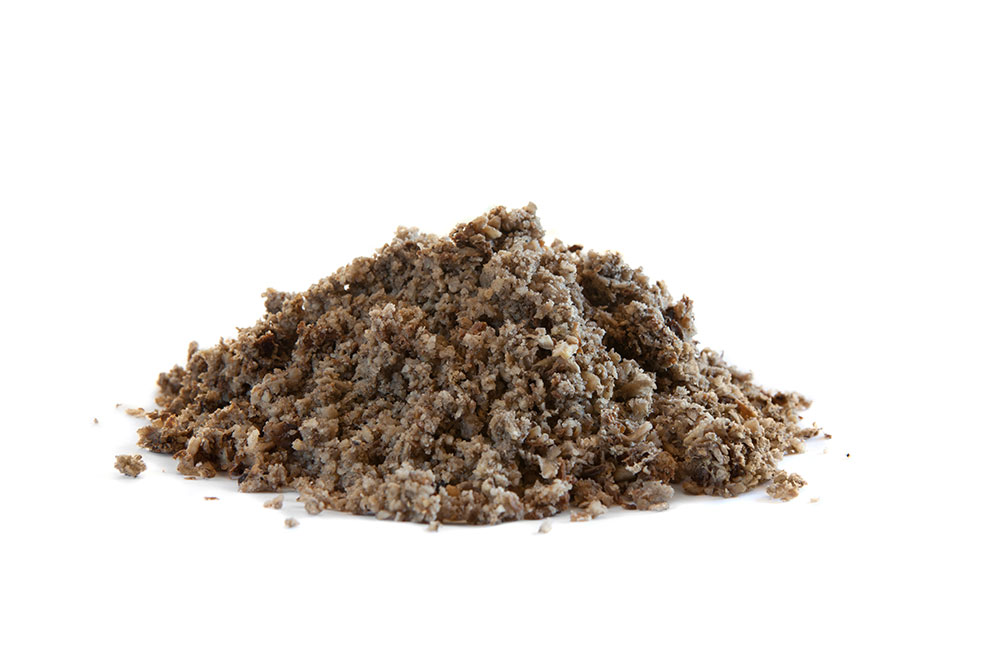
“A lot of times people will automatically go to a concentrated grain product to add calories,” she explains. “My favorite product to add is beet pulp because it’s highly digestible for the horse, and it’s a fiber, and horses are naturally made to eat more fibrous foods.”
Also, feeding horses only twice daily, a common practice in many barns, might damage intestinal villi and contribute to leaky gut. Whenever possible, provide free-choice forage, though this might not be suitable for obese horses or those with equine metabolic syndrome. Discuss your horses’ specifics with your veterinarian.
Take-Home Message
Equine nutrition plays a crucial role in managing inflammation, but applying human dietary principles directly to horses can be misleading. Emerging research highlights the importance of balancing omega-3 and omega-6 fatty acids, incorporating antioxidants, and prioritizing a forage-focused diet to support gut health and reduce inflammation. Scientists continue to aim for a more tailored approach to managing equine health in their ongoing research.