Hot Topics in Hoof Care, Part 4: The Abnormal Horse Hoof
Hoof care experts discuss common equine foot issues, including club feet, underrun heels, and mismatched feet.

Hoof care experts discuss common equine foot issues, including club feet, underrun heels, and mismatched feet.

A farrier explains what a “normal” horse hoof is supposed to look like and how it affects shoeing.

Lectures will cover hoof anatomy and physiology, the basics of trimming, determining when shoes are necessary, and more.
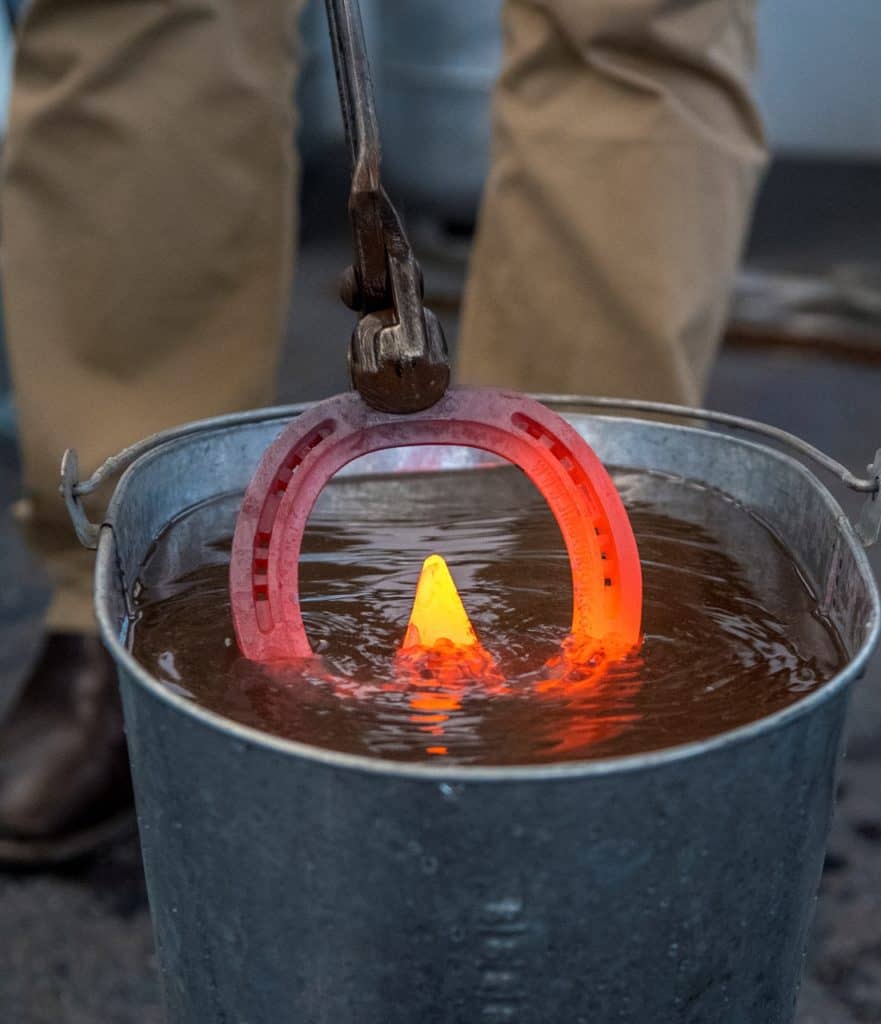
British and Brazilian farriers are working around the clock to keep the equine athletes well-shod in Rio de Janiero.
Is it worth taking a chance on a horse with a “clubby” foot, and how can you manage one to keep him sound?

Horses fitted with hoof boots had longer hoof contact time with the ground than barefoot horses, researchers found.
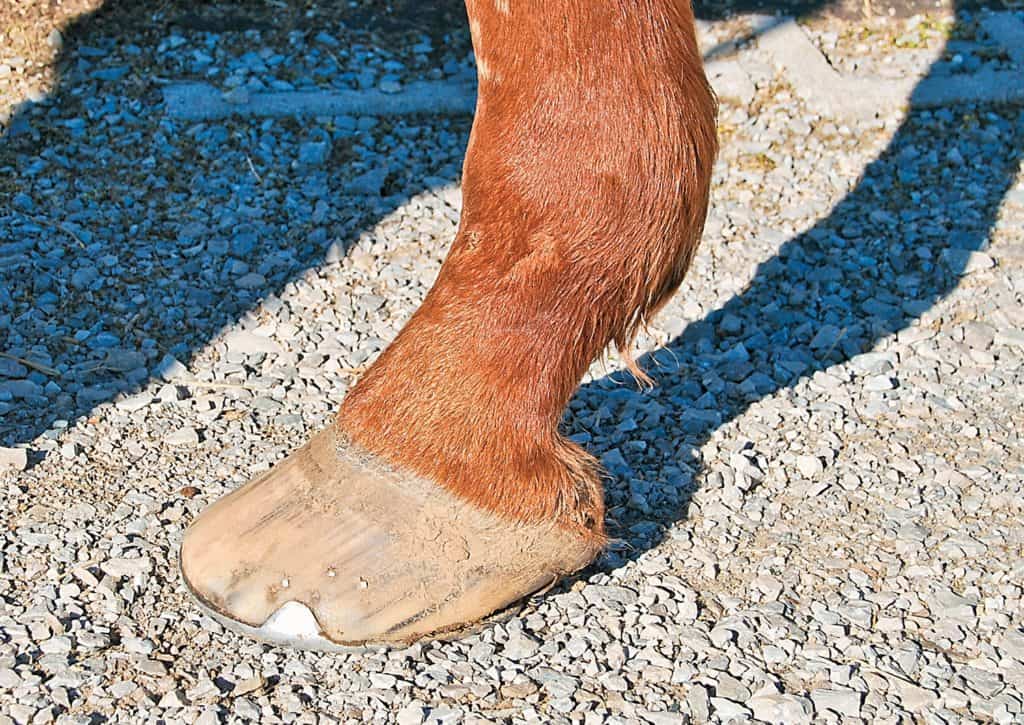
The long-toed, low-heeled hoof is a common and difficult-to-manage hoof abnormality. Here’s what you should know.
Paul Goodness, CJF, and his team will provide full-time services at the Marion duPont Scott Equine Medical Center.

Is there a point you’d recommend going back to basics with a horse that’s been in therapeutic shoes for several years?

The BHA adopted a urinary cobalt threshold of 0.01 micrograms and mandated full sets of shoes for flat turf races.

The University of Tennessee’s Dr. Jim Schumacher overviews navicular syndrome’s risk factors, treatments, and more.

Don’t put your horse at risk for developing problems such as thrush and abscesses. Here’s how to prevent these issues.
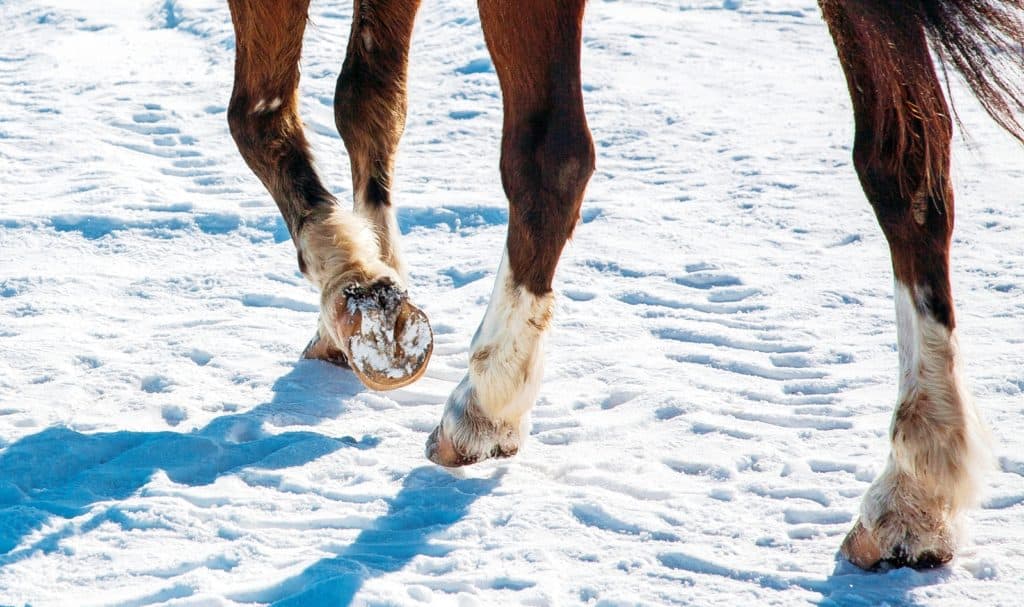
The majority of the respondents said their horses will go without shoes this winter.
Would a horse with long-toed, low-heeled conformation benefit from allowing their hooves to grow out naturally?
The foundation is supporting projects on EMS, juvenile idiopathic epilepsy, and hoof imbalance and lameness.
Do you have any suggestions for speeding the time it takes for proximal splints (in the forelimbs) to resolve?