Don’t Ignore Your Horse’s Hooves this Winter and Spring
Don’t put your horse at risk for developing problems such as thrush and abscesses. Here’s how to prevent these issues.

Don’t put your horse at risk for developing problems such as thrush and abscesses. Here’s how to prevent these issues.
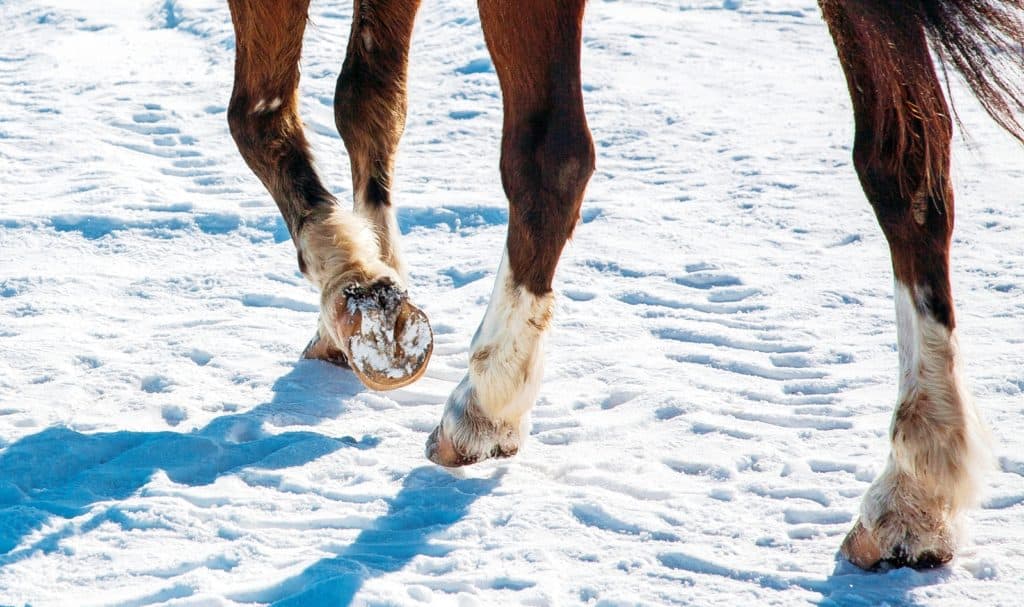
The majority of the respondents said their horses will go without shoes this winter.
Do you have any suggestions for speeding the time it takes for proximal splints (in the forelimbs) to resolve?
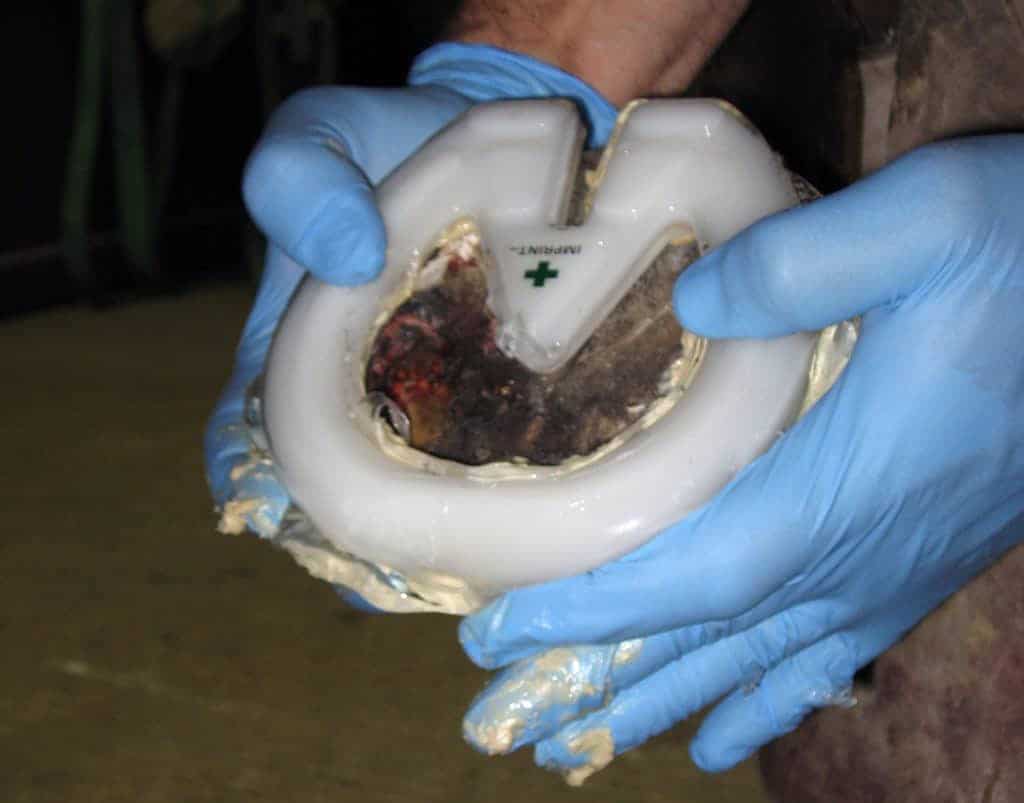
Learn about common foot pathologies and corrective-shoeing options, from bar shoes to wooden clogs.

Addressing the anatomy, conformation, and biomechanical principles of the equine foot.

Some riders believe shoes help give a dressage horse better gaits; scientists have found that idea to be mostly a myth.

Take a behind-the-scenes look at the goings-on of a U.K. vet clinic and its differences from ones stateside.
A veterinarian and farrier addresses the benefits and concerns of wedge pads in shoeing horses with navicular syndrome.

Hoof-related issues are a hot topic in veterinary medicine. Here’s what practitioners discussed at a recent meeting.

Researchers examined the loading rates on a hoof of a galloping horse wearing different aluminum racing shoes.

Of the 1,003 respondents, 402 (40%) said their horses go barefoot on trails.

From feeding and training to shoeing and warm-up protocols, learn how to keep your dressage horse fit to perform.

Dr. Earl Gaughan answers a question about how often young horses need hoof care and when or if they need shoes. This podcast is from the Equine Life Stages: Young Horses Q&A audio event.

Navicular disease, or caudal heel pain, can seem devastating when diagnosed, but treatment options exist and many horses can return to athletic work.
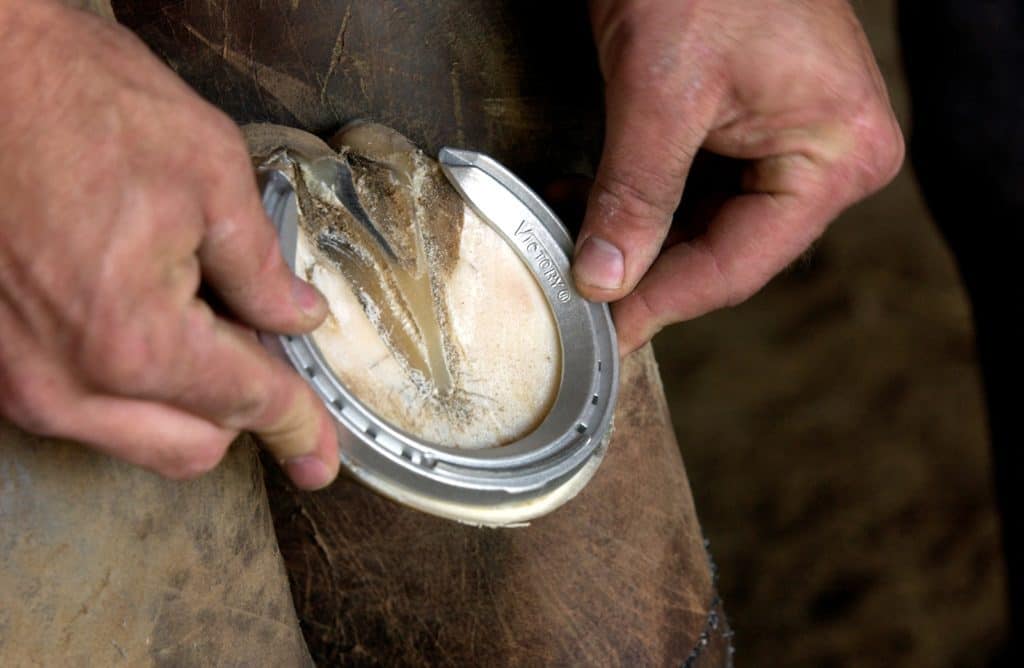
To help your Thoroughbred perform to his potential, tailor his hoof care to his specific age, needs, and job.

Your horse has a hoof abscess, bruise, puncture, or something else wrong with his foot. Should you call the veterinarian or farrier?