Podiatry Table Topic: A Focus on Laminitis (AAEP 2012)
Laminitis is a devastating disease that does not discriminate based on a horse’s age, breed, or discipline.

Laminitis is a devastating disease that does not discriminate based on a horse’s age, breed, or discipline.

A team evaluated a possible association between distal border fragments of the navicular bone and lameness.

Penetrating injuries can have serious consequences for horses, but vets are well-versed in handling them.

Researchers recently evaluated adult progenitor cell characteristics from healthy and laminitic horse hooves.

Experts answered reader questions live about what’s new in laminitis research and treatments.

Non-weight-bearing lameness is one of the most common emergencies practitioners manage in the field.

Equine metabolic syndrome can put pregnant mares in an especially precarious in situation.

Owners of laminitic horses can speak with their veterinarian about registering to be included in the study.
Researchers found surprising differences between fecal microflora DNA of laminitic and nonlaminitic horses.

The staff at TheHorse.com tallied the most popular articles of 2012. Did your favorites make the list?

A thorough examination, an aggressive treatment plan, and owner commitment are needed to manage laminitis.

It’s hoped that the colt, who battled a series of medical issues in 2012, will return to the track in 2013.

Stem cells therapy might offer practitioners an additional treatment option for the fight against laminitis.

It’s important to have at least an understanding of the structures in play during a laminitic episode.
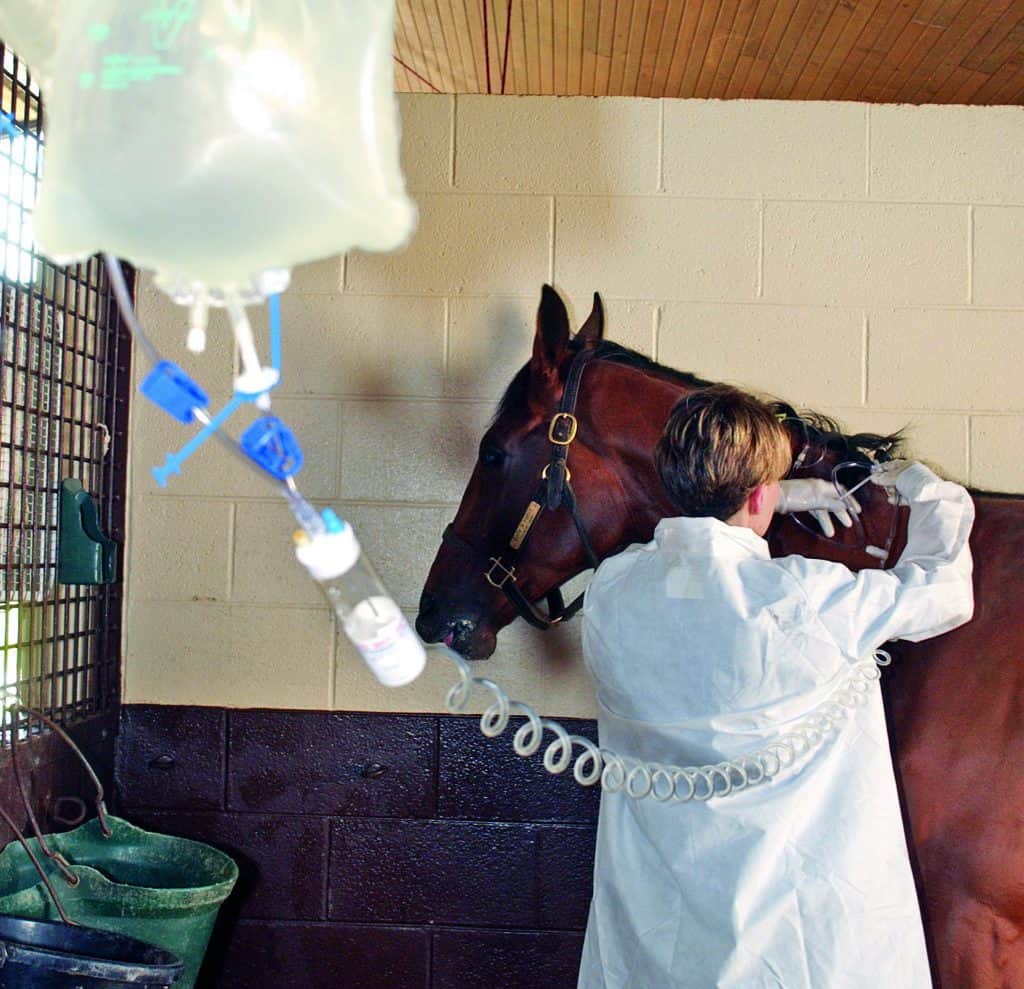
A researcher says SIRS (systemic inflammatory response syndrome) is the term to use when discussing laminitis.
Endocrine disorders and black walnut extract exposure were a few of the causes researchers discussed.