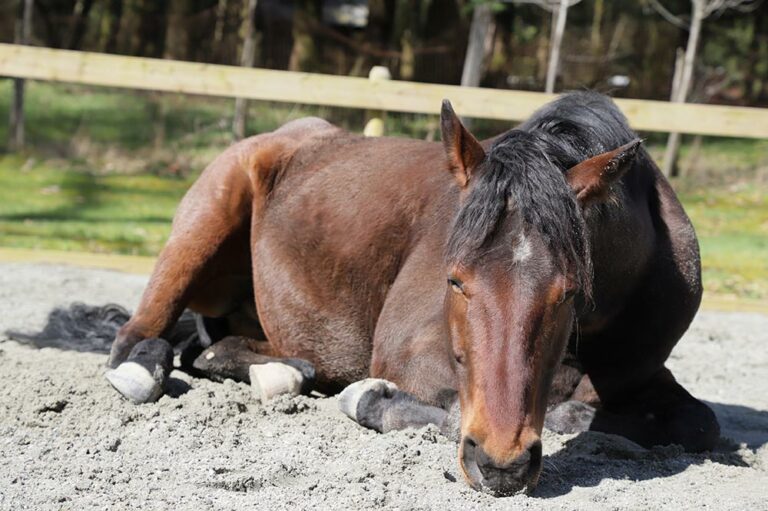
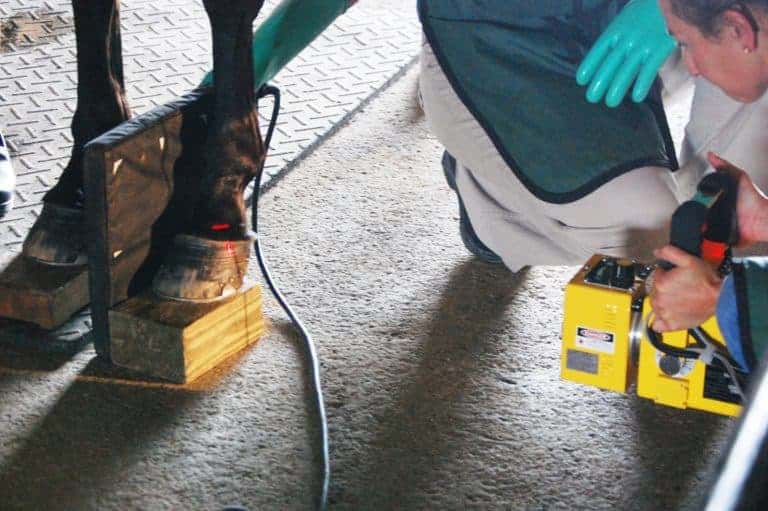
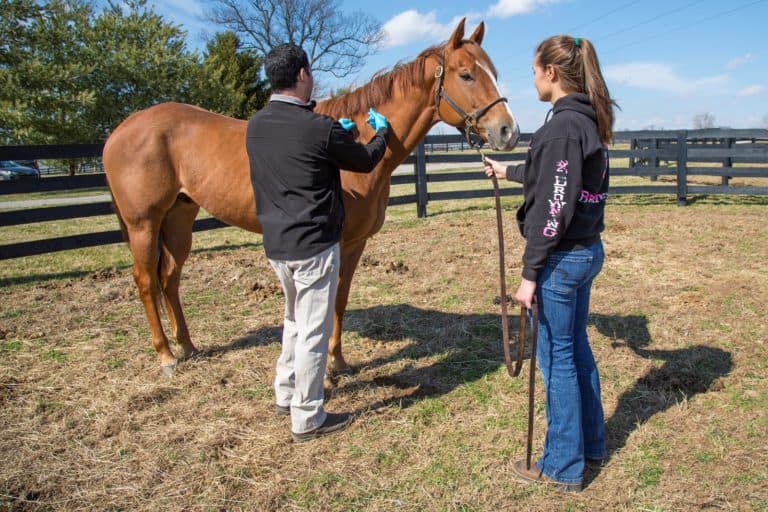
Watch for Anhidrosis This Summer
Anhidrotic horses don’t sweat well or at all, which can be dangerous in warm climates. Here’s what to watch for.

Anhidrotic horses don’t sweat well or at all, which can be dangerous in warm climates. Here’s what to watch for.

In 2014 racehorses in Ohio produced 112 positive drug tests, most of them for flunixin meglumine or phenylbutazone.
The transition comes after the commission’s primary laboratory reportedly failed to report three drug tests.
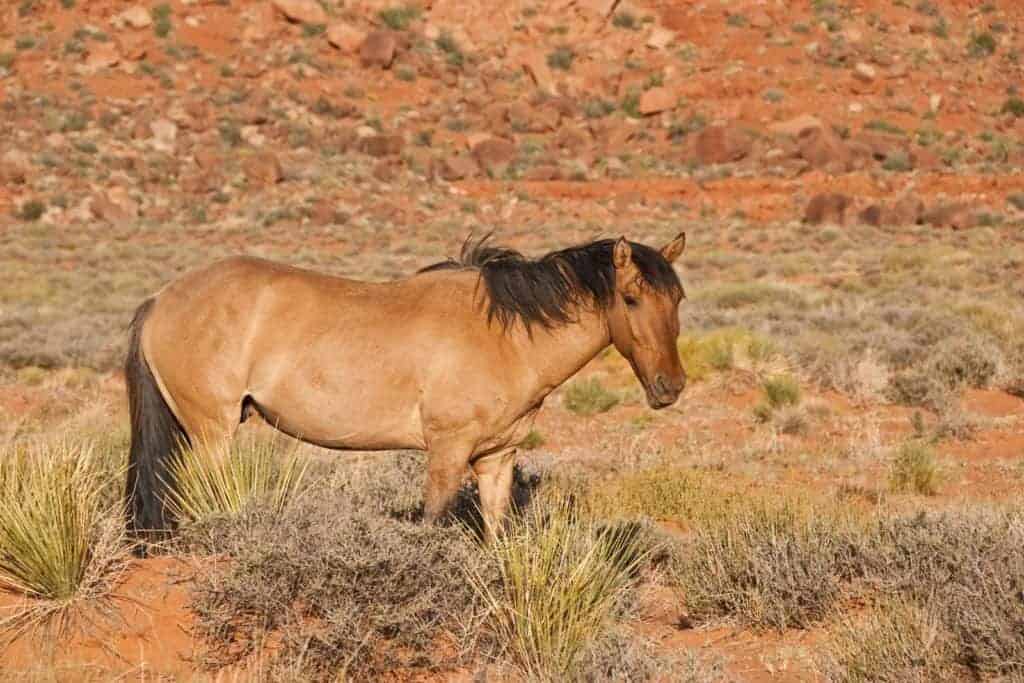
The BLM will vaccinate mares in the Onaqui Mountain Herd Management Area with a contraceptive to slow population growth.
Five vets shared their views on racehorse testing and medication issues an Ohio State Racing Commission meeting.

A horse’s coat color genetics are important not just for aesthetic reasons; they can also have health implications.

Regulators adopted a new policy making it illegal to administer cobalt to a racehorse.
The group approved a uniform testing threshold of 110 parts per billion in blood for the amino acid GABA.
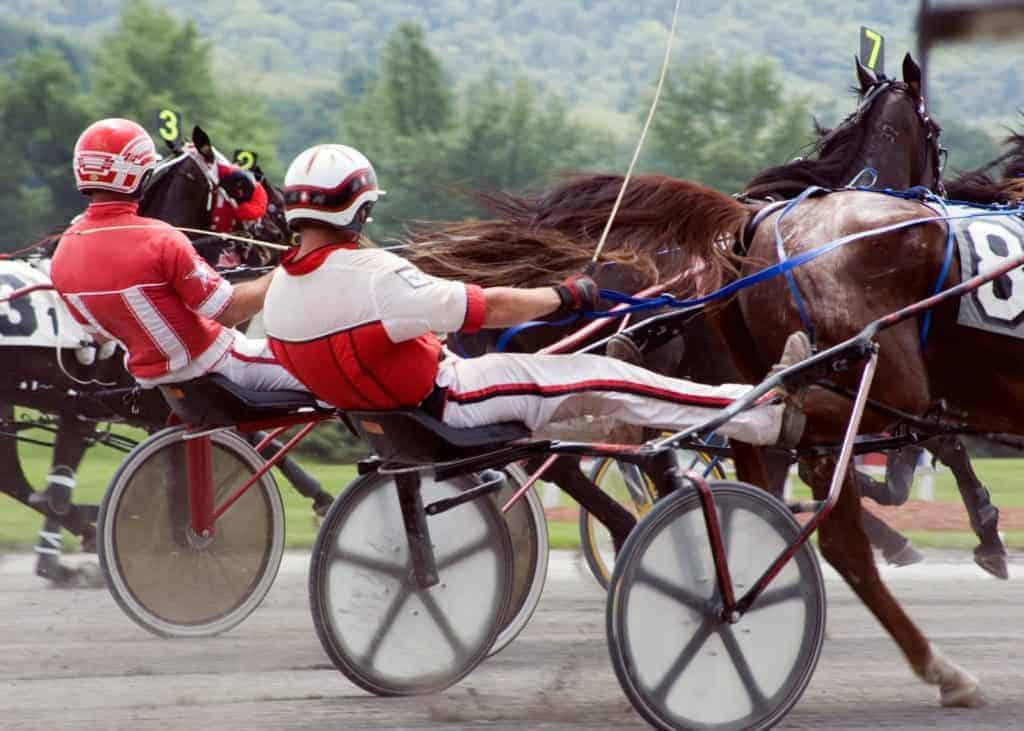
While there are already regulations in place for whip use in harness races, the new rule is more restrictive.
The bill will reduce the number of days counties must keep estray animals, including horses, in their custody.
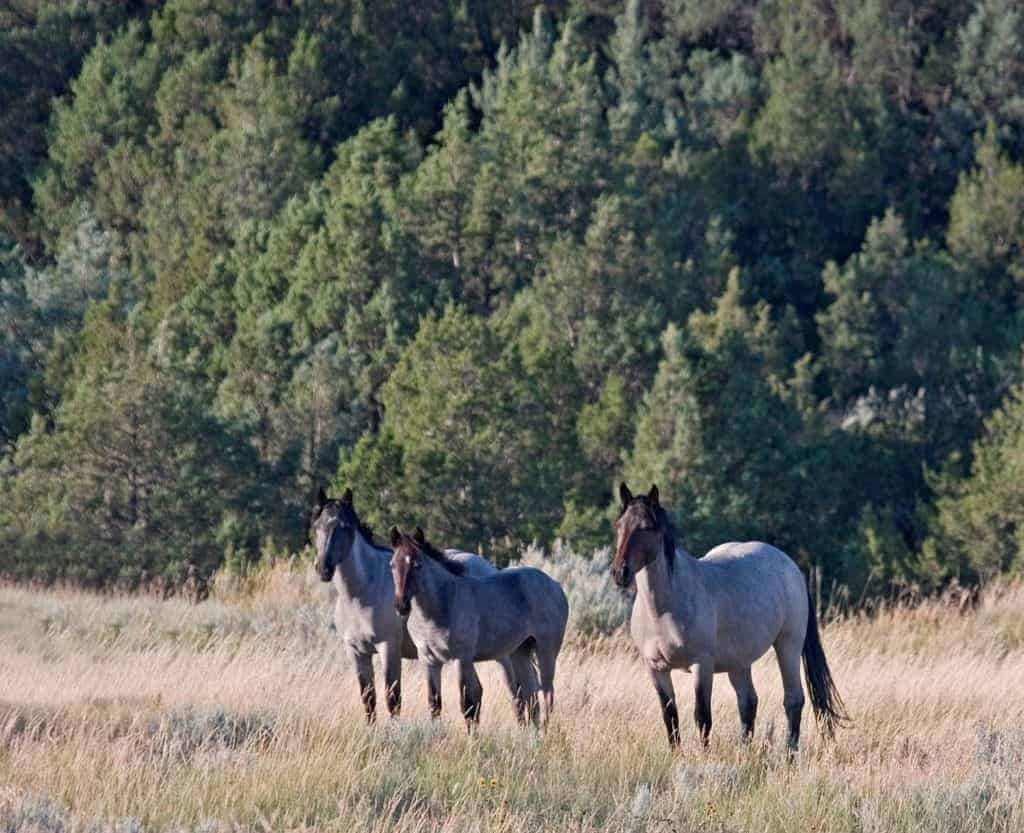
Theodore Roosevelt National Park and the Badlands Horse Registry will work to place wild horses in approved homes.

The court says the BLM violated the NEPA, but didn’t violate the Wild Free-Roaming Horse and Burro Act.
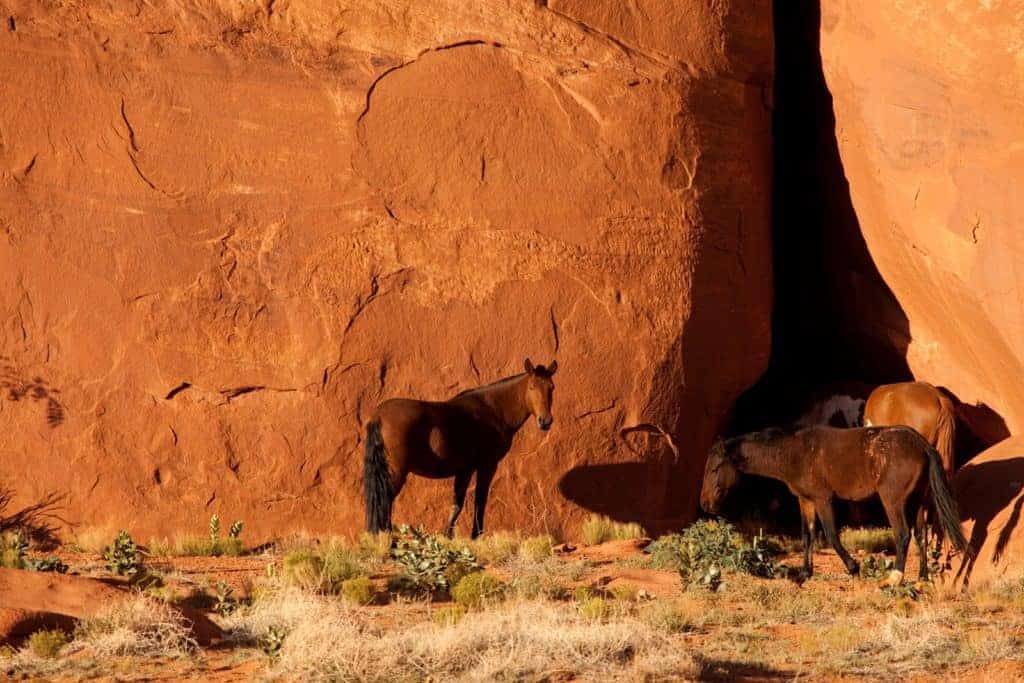
The plan involves treating mares in the Onaqui herd management area with a fertility control vaccine via remote darting.

The legislation would place wild horses under state and Native American tribe jurisdiction rather than under the BLM’s.
Researchers are working to identify the genetic cause of juvenile idiopathic epilepsy (JIE) in Arabian horses.
The judge halted the gather “until the court has an opportunity to fully consider the merits of plaintiffs’ claims.”