Gene Therapy, Stem Cells’ Effects on Equine Osteoarthritis
A combination of mesenchymal stem cells and gene therapy reduced osteoarthritis progression in one model.

A combination of mesenchymal stem cells and gene therapy reduced osteoarthritis progression in one model.

One of the most common sites of catastrophic injuries in Thoroughbred racehorses is the fetlock.

Researchers are striving to better understand the balance between tolerable and excessive bone damage.
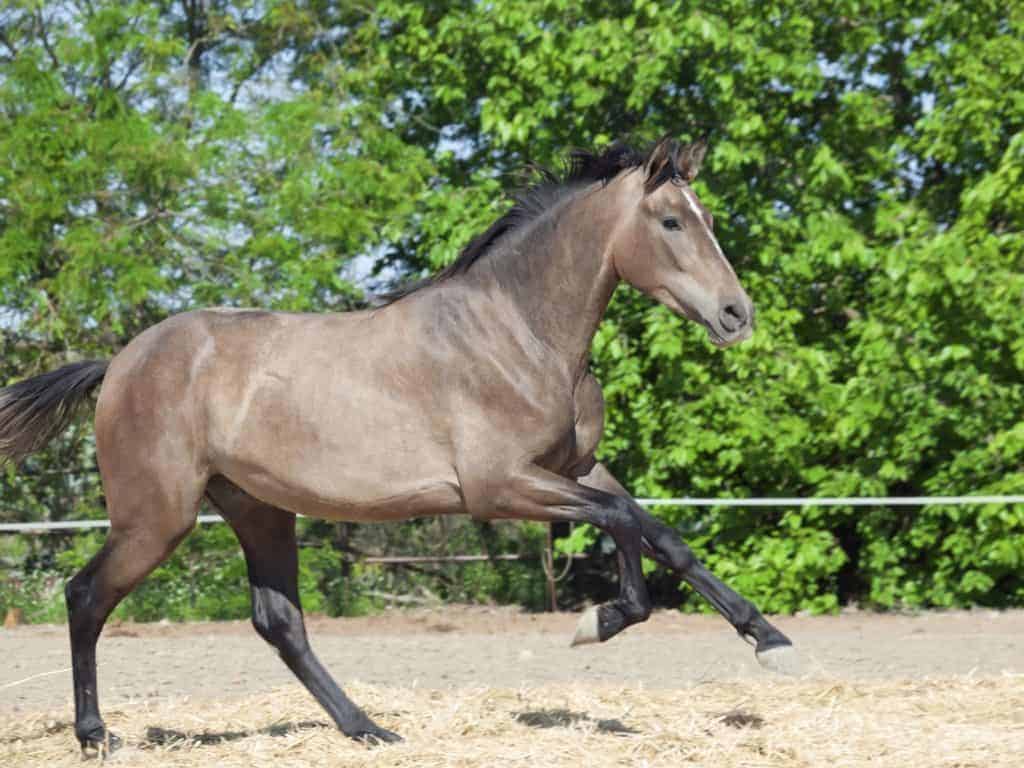
It’s time to take a step back and review the specialized structure and function of the equine body.

Equids (horses, asses, and zebras) are the only animals that sleep standing up.
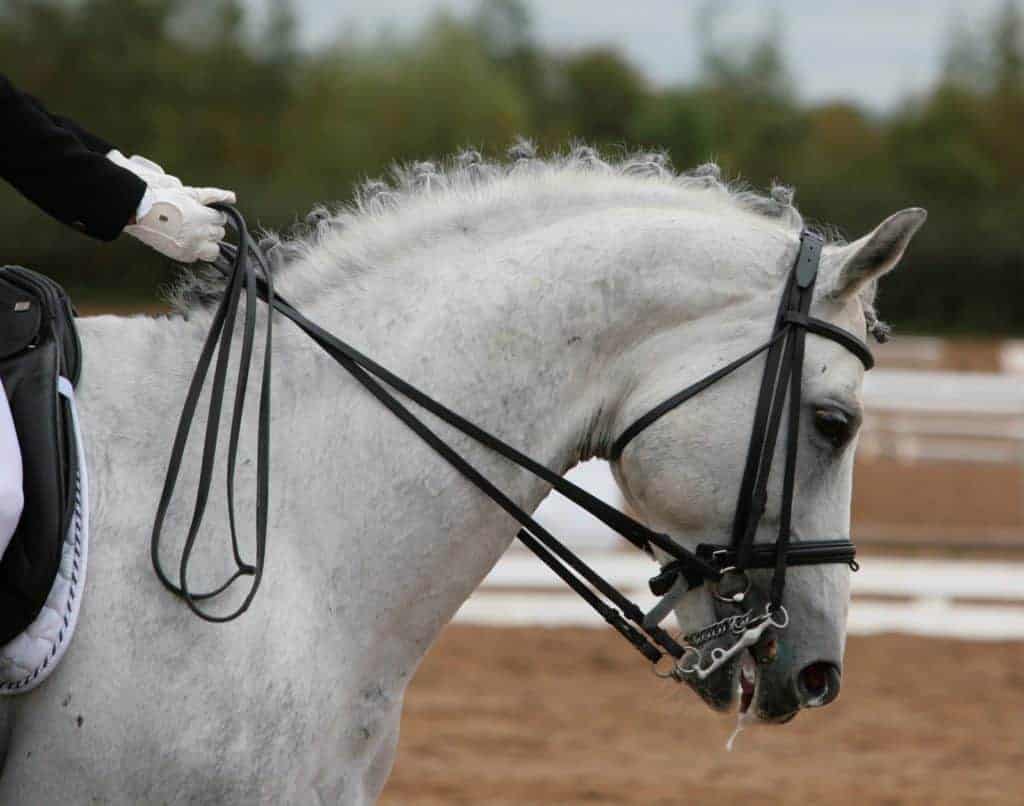
Researchers evaluated the activity of three muscles when horses worked in different head and neck positions.

Learn about equine muscle metabolism and how equine muscle mass is regulated.

The University of Kentucky Gluck Equine Research Foundation published its 2012 Research Report in March.
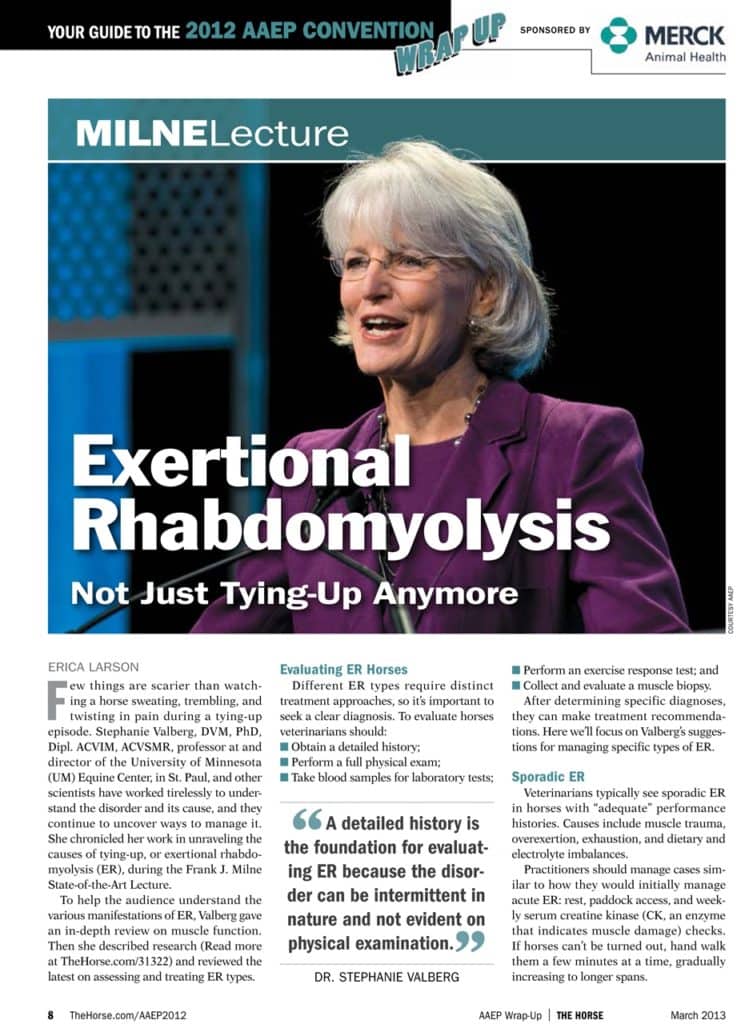
The University of Minnesota’s Dr. Stephanie Valberg discussed exertional rhabdomyolysis (formerly tying up) the 2012 Frank J. Milne State-of-the-Art lecture during the 2012 AAEP convention.

Research shows that various angles of the outer and inner hoof are linked to different kinds of lameness.

A single impact injury did not cause generalized osteoarthritis in the fetlock during the study period.

Paying attention to certain, sometimes minute, details can help horses enjoy longer athletic careers.
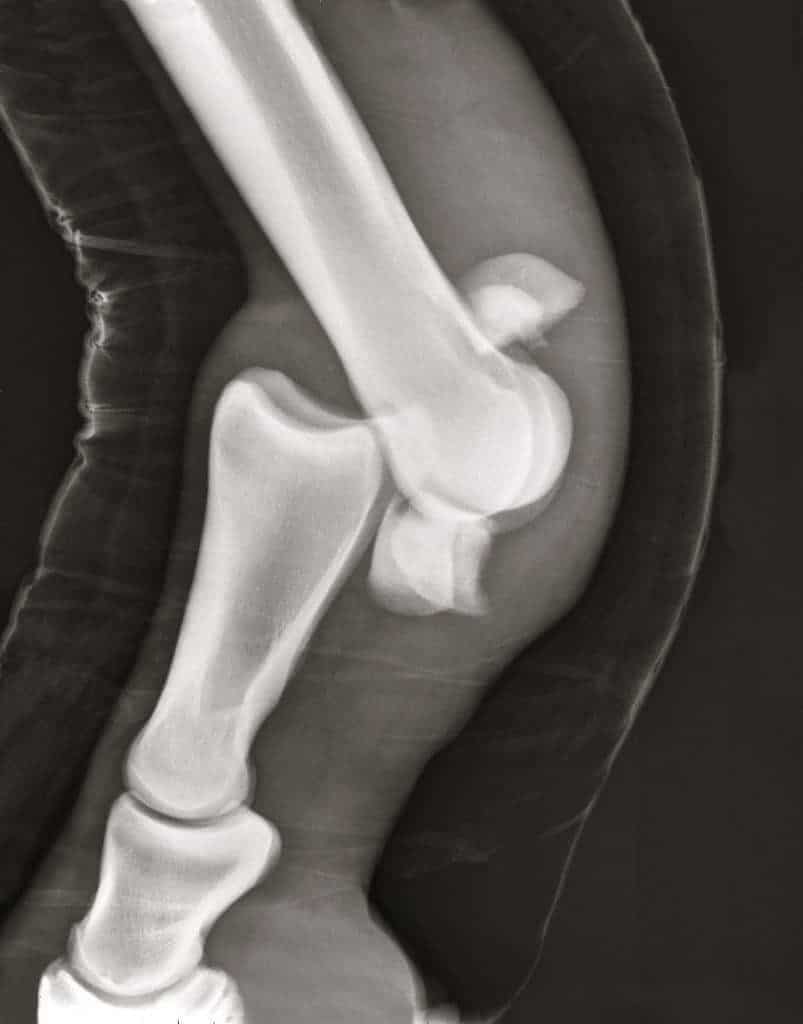
Bone fractures in horses, whether catastrophic or microscopic, heal through a complex sequence of events.

A cut-out patterned English appeared to have multiple benefits when compared to not using a pad.

The goal for sport horses, from prepurchase exams through their careers, is to extend the time to retirement.

Case Clay of Thee Chimneys Farm was named to the position in October.