Regenerative Medicine Seminar for Horse Owners Scheduled
“The Horse Owner’s Guide to Regenerative Medicine” will take place June 4 from 2:00 to 5:00 p.m., in Lexington

“The Horse Owner’s Guide to Regenerative Medicine” will take place June 4 from 2:00 to 5:00 p.m., in Lexington
Archarcharch and Battle of Hastings, two of the horses injured during the Kentucky Derby day races at Churchill Downs, are both doing well after surgery at Rood & Riddle Equine Hospital in Lexington, Ky. Both surgeries took place May 8.
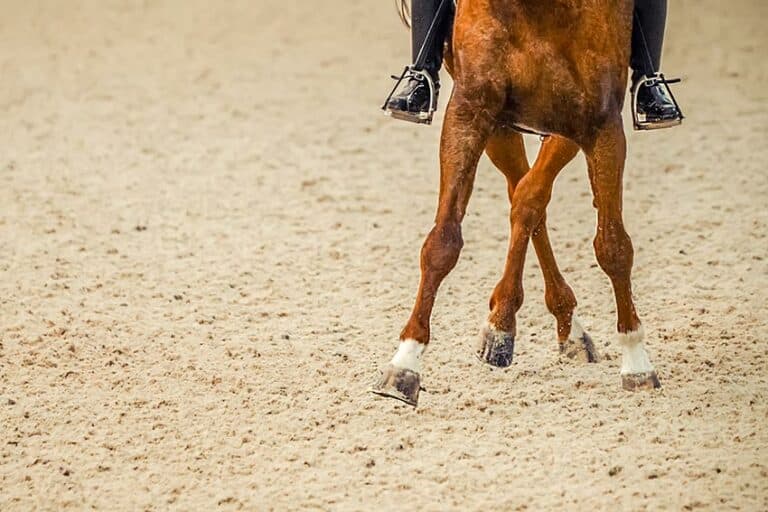
Your equine athlete’s performance hasn’t been blue ribbon-worthy as of late. Or maybe your broodmare’s gaits are looking a little off kilter. Could long toes on the hind feet be to blame? According to the results of a recent study, the answer in some
Researchers are always working to better understand the equine body and how it functions. Case in point: A team of researchers from the Virginia Tech Middleburg Agricultural Research and Extension Center recently completed an index study on a
A particular form of vitamin K could be a potential candidate for increasing equine bone density while decreasing breakdown. However, veterinarians caution that this is not a viable supplementation route to pursue until further research on the effect
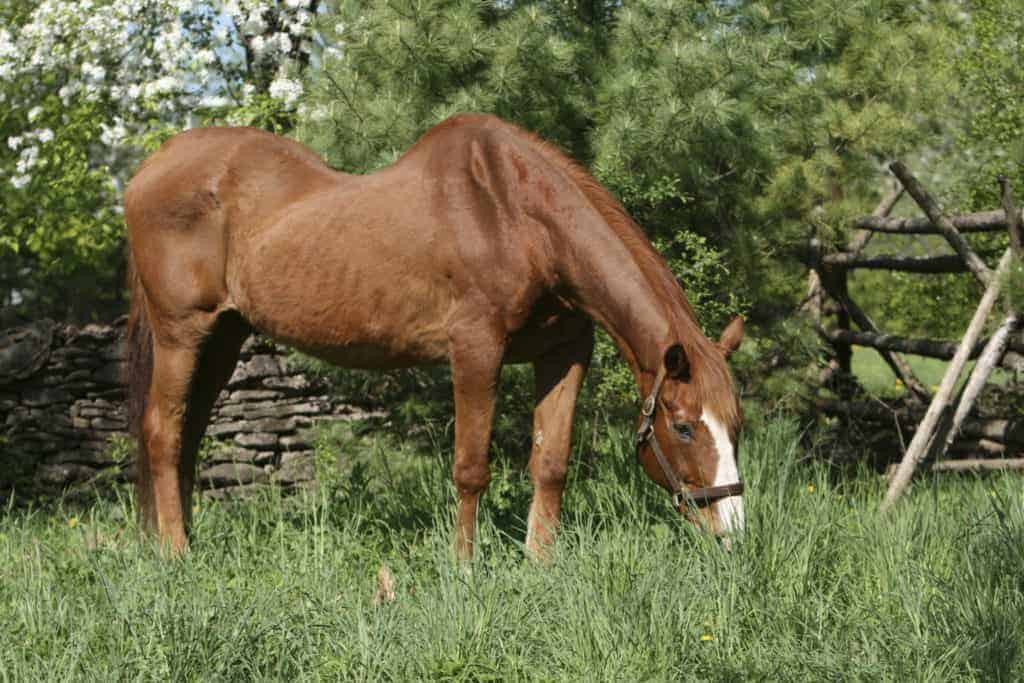
Clearly defined diagnostic criteria could help veterinarians detect BFS earlier and more accurately.
Equine atypical myopathy (EAM), a seasonal, pasture-associated muscle disorder of unknown etiology (cause), presents a particular challenge to veterinarians. The disease is characterized by a generalized complete degeneration of muscle fibers, which
American show jumper McLain Ward’s long-time partner Sapphire, a 16-year-old Belgian warmblood mare, strained her right front check ligament while training in Florida last week and will miss the remainder of the 2011 show season.
A resurgence of interest in the equine temporomandibular joint (TMJ) (which allows for opening and closing of a horse’s mouth) has led to discussions on the relationship of TMJ disease to weight loss or behavioral changes in horses.

A joint is defined as an anatomic union or junction between two or more bones. There are three basic types of joints in the horse: Synovial, fibrous, and cartilaginous.
Horses are athletes, too, and according to research, they need that stretching as much as humans do.

Dr. Alan Ruggles of Rood & Riddle Equine Hospital discusses some of the advances in management of septic orthopedic disorders in foals.

The horse’s body is both exceedingly powerful and capable of bending, turning around tight corners, and stopping on a dime, all thanks to his intricate combination of muscles, tendons, and ligaments.
Learn how to keep splints (bony lower leg swellings) from becoming permanent blemishes or problems that interfere with a horse’s athletic career.
I purchased my Thoroughbred gelding when he was 5 years old. Within the next two years we were doing really
What would be the best avenue to take to prevent too much scar tissue from forming and limiting muscle use?